


























































































































































































Introducing a new puppy to your current dog is often an exciting process, and many dogs will become fast friends and eas...
Read MoreAdopt Me
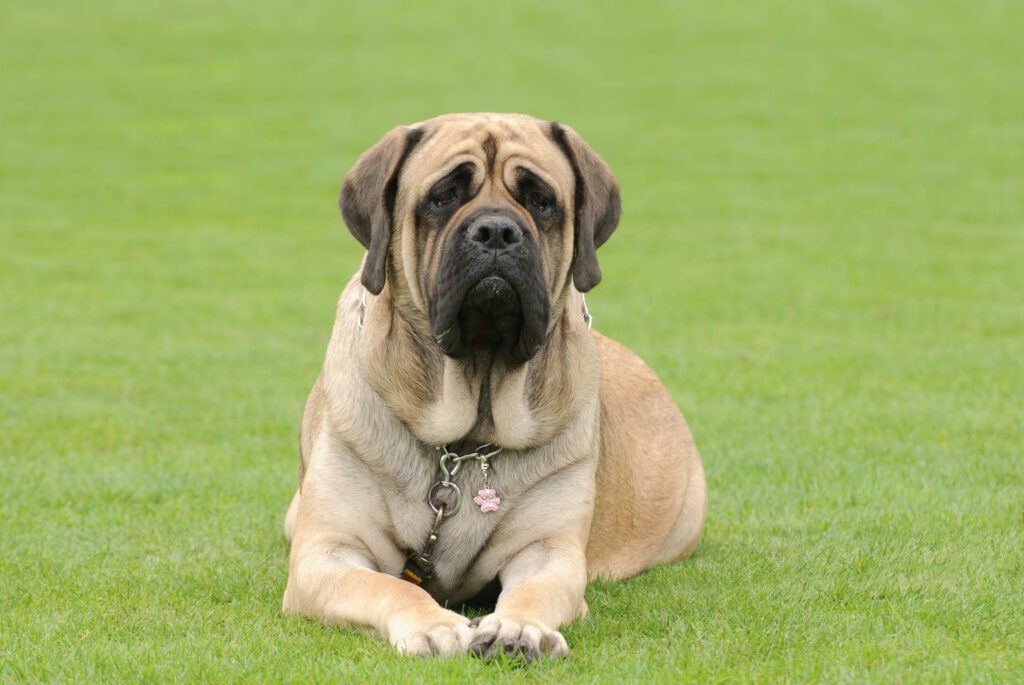
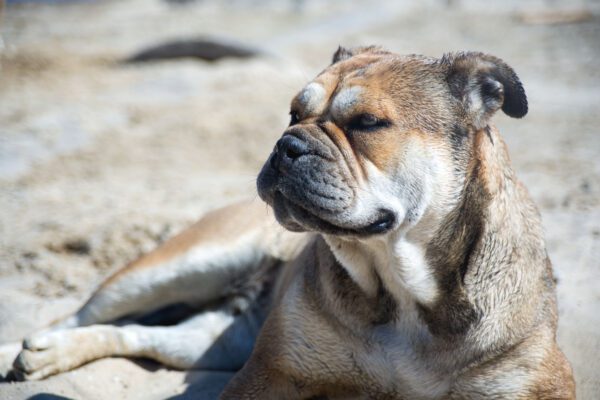
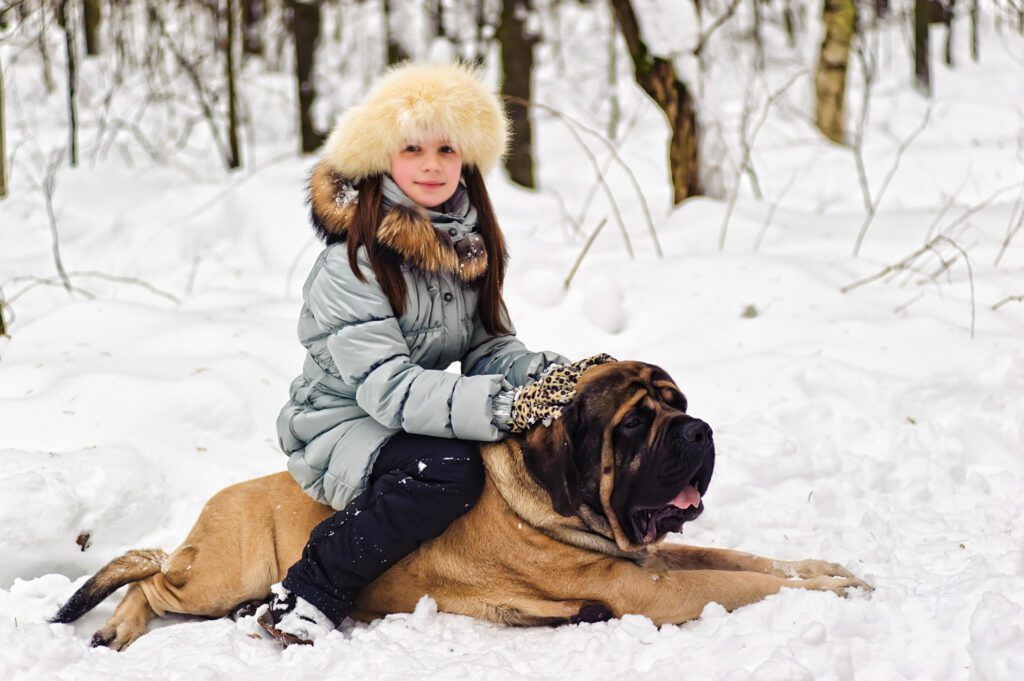
The English Mastiff is a calm, loyal, and deeply devoted companion. This giant breed often behaves like a gentle housemate who loves close contact and quiet routines. The size of an English Mastiff can surprise first-time owners, so careful research ensures the dog and household are a good fit. Adoption gives a deserving dog a fresh start while helping you avoid the risks and unknowns that can come with buying.
Vermont offers a peaceful setting that suits this thoughtful breed. Rural properties and quiet neighborhoods give an English Mastiff room to relax and space for short, steady walks. Cold winters require traction on icy paths and limited time outdoors because the breed has a short coat. Warm, humid summers call for early or late walks, shade, and plenty of water because Mastiffs can overheat quickly. A Vermont lifestyle that favors calm evenings, short daily outings, and cozy indoor time fits an English Mastiff well.
Adoption works best when you plan ahead. Consider your vehicle size, your home’s stairs, and your flooring, because a giant dog needs safe footing and ample room to turn. When you adopt a English Mastiff in Vermont you help a dog in need and you gain support from experienced adoption teams that understand the breed’s unique needs.
You can avoid searching rescues and shelters one by one by starting with Dog Academy. You can browse adoptable English Mastiffs from multiple sources in one place, which saves time and helps you compare options quickly. You can also use Dog Academy’s educational guides and adoption checklists to prepare your home, your schedule, and your budget before you apply.
In Vermont, adoptable English Mastiffs may appear in local animal shelters, regional rescues, and breed-specific rescue groups. Begin by browsing current listings and reading each profile closely. Look for details about temperament, medical history, exercise needs, and any training already in place. Ask about the dog’s behavior around children, visitors, and other pets, because Mastiffs are naturally protective and do best with clear guidance from day one.
When you find a match, you usually complete an application that requests personal references, proof of housing permission when you rent, and confirmation that all current pets are vaccinated. Many teams schedule a phone interview to discuss breed expectations. Meet-and-greets allow every household member to interact with the dog in a calm setting. A home check helps ensure you have safe stairs, secure doors, and space for a giant crate and bed. Approval timelines vary, but most adoptions move from application to decision in 3 to 14 days when paperwork, references, and scheduling line up.
Some groups offer trial periods or foster-to-adopt options. These options help you confirm that the dog settles well with your routine. If the dog is located outside your area, rescues may arrange transport to move dogs between locations using scheduled ground vehicles. Transport coordinators plan routes, confirm health certificates, and set pickup points, and adopters usually pay a modest fee to cover fuel and care during travel.
|
How Much Does It Cost to Adopt a English Mastiff in Vermont?In Vermont, the typical adoption fee for an English Mastiff ranges from $300 to $600. Younger dogs or dogs with completed training often sit at the higher end, while seniors or dogs with ongoing medical needs may be lower within the range. Fees reflect the investment already made in the dog, local demand for giant breeds, and the costs of safe housing and care before adoption. Most adoption fees include spaying or neutering, vaccinations, microchipping, and veterinary exams. Fees may also reflect heartworm testing, deworming, or dental cleanings, and they can rise when specialized care is provided. Examples include treatment for orthopedic issues or eye conditions that are sometimes seen in giant breeds. Training and socialization can also influence price because well-prepared dogs tend to place faster. |
How Should I Train a English Mastiff?An English Mastiff is intelligent and eager to please, but the breed matures slowly and can be independent. Short, upbeat sessions work best. Use high-value rewards, a calm voice, and clear timing to reinforce good choices. Focus on foundation skills that make daily life easy. Leash manners prevent pulling, place training teaches relaxation, and impulse control builds polite greetings. Early and steady socialization with friendly people and well-mannered dogs helps a Mastiff stay confident and thoughtful in new situations. Avoid harsh corrections because this sensitive breed shuts down under pressure. Protect growing joints by keeping sessions brief and by avoiding repetitive jumping. Crate training supports safe travel and gives your Mastiff a quiet place to rest. If you want step-by-step help, explore Dog Academy’s online training courses, which provide structured lessons that cover manners, loose-leash walking, calm behavior at the door, and settling skills sized for giant-breed realities. |
|
The ideal owner for an English Mastiff enjoys a steady routine, values a peaceful home, and has space for a giant companion. A fenced yard is helpful, although daily calm walks on quiet roads or trails can also meet exercise needs. The best match includes time for training, a plan for safe transport in a roomy vehicle, and a budget that covers giant-breed food and veterinary care.
Take your time, gather information, and prepare your home before you adopt a English Mastiff in Vermont. When you move at a thoughtful pace and set clear expectations, you give your new Mastiff the best chance to settle, bond, and thrive for years to come.

Introducing a new puppy to your current dog is often an exciting process, and many dogs will become fast friends and eas...
Read More
Rescue dogs can make great companions and can transform your home into something better. These dogs make great pets and ...
Read More
You should never rush to pet a dog. Even dog owners make the mistake of approaching unfamiliar dogs and petting them rig...
Read More
Puppy mill dogs are survivors who have endured extreme hardships in their lives. They have grown up in horrendous, unsan...
Read More
With their wagging tails and comforting presence, adopting a dog can add a unique touch to your life. It’s a heart...
Read More
Older dogs may have a few gray hairs around the edges, but that doesn’t mean they can’t make wonderful companions! T...
Read More