



























































































































































































Introducing a new puppy to your current dog is often an exciting process, and many dogs will become fast friends and eas...
Read MoreAdopt Me

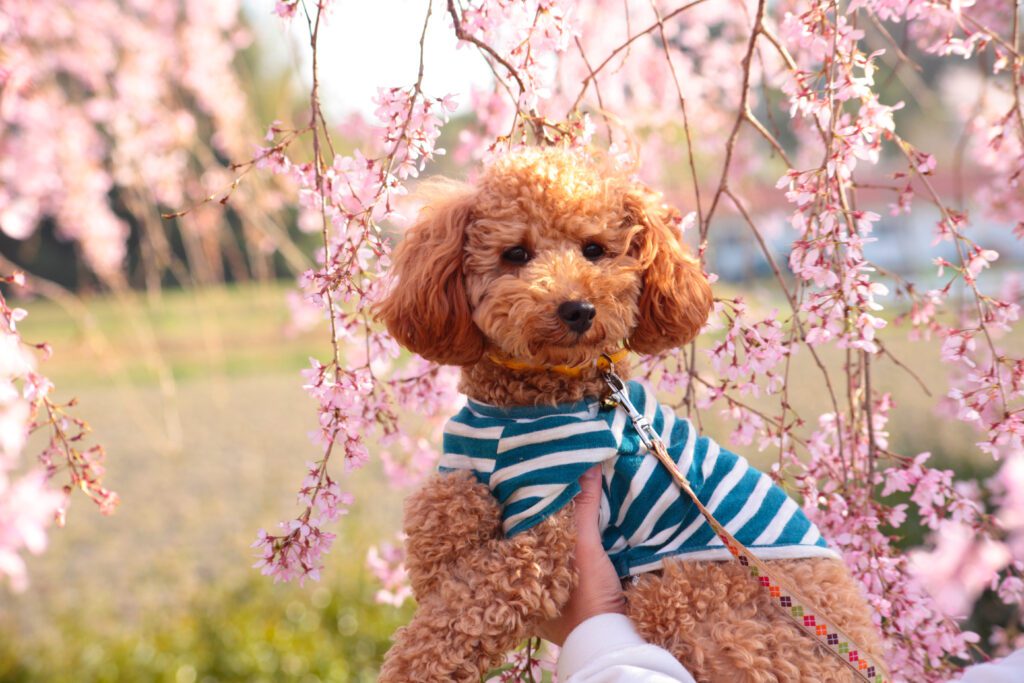
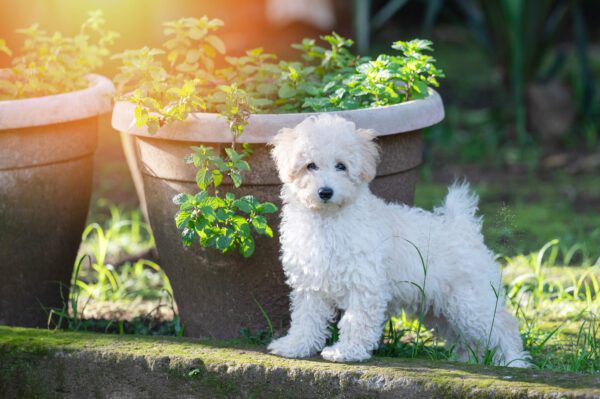
The Bichon Poodle is a cheerful, affectionate companion with a soft, low-shedding coat and a bright, eager mind. This mix blends the gentle charm of the Bichon Frise with the intelligence of the Poodle. The result is a friendly, people-focused dog that loves playtime, learns quickly, and bonds closely with family.
Research matters before any adoption. A Bichon Poodle needs regular grooming, daily exercise, and consistent training. Adoption is a compassionate choice that gives a dog a second chance while supporting responsible animal care. Vermont offers a great backdrop for this breed, although the state’s climate and geography require a bit of planning.
Vermont winters are cold and snowy, and small dogs can get chilled easily. A warm sweater, paw protection, and safe indoor exercise help a Bichon Poodle stay comfortable. Rural roads, wooded trails, and mud season can add mess and tangles, so frequent brushing keeps the coat healthy. Vermont’s active lifestyle suits this breed’s moderate energy, and the calm pace in many towns fits a companion that prefers close contact and a predictable routine.
You can avoid searching shelters and rescues separately by browsing Dog Academy for current adoption listings across Vermont and nearby regions. Dog Academy also provides clear educational guides and adoption checklists that help you prepare, compare options, and make a confident decision. You can also look for adoptable dogs at local animal shelters, regional rescues, breed-specific rescue groups, and foster-based organizations.
Start by browsing listings and reading each profile carefully. Look for details about age, energy level, grooming needs, medical history, and temperament. A good profile explains whether the dog enjoys kids, other dogs, or quiet homes. Matching your lifestyle to the dog’s needs sets you up for success.
When you find a match, you complete an application. Most groups ask for a photo ID, landlord or condo approval when needed, personal references, and a veterinarian reference if you have pets. Adopters usually complete a phone interview that reviews daily routine, safety plans, and training approach. Screening often takes 3 to 10 days, though timelines can move faster for urgent placements or slower when demand is high.
Meet-and-greets help confirm a good fit. Many groups ask you to bring all household members and any resident dogs. Meetings take place at a shelter, a foster home, or a neutral location. Some organizations conduct home checks in person or by video to confirm a safe setup, secure storage of cleaners and medications, and a plan for leashing if you do not have a fenced yard.
After approval, you review and sign the adoption contract, pay the fee, and set a pickup date. Some rescues arrange transport to move dogs between regions using volunteer drivers or licensed carriers, and adopters often pay a modest transport fee that covers fuel and required health certificates. Staff or fosters share transition tips, feeding instructions, and grooming guidance so the first week goes smoothly.
|
How Much Does It Cost to Adopt a Bichon Poodle in Vermont?In Vermont, the typical adoption fee for a Bichon Poodle ranges from $350 to $650. Puppies and high-demand young adults often sit at the upper end. Seniors and special-needs dogs may be lower. Fees reflect age, training level, medical care, and regional demand. Many groups include spaying or neutering, vaccinations, microchipping, and veterinary exams in the fee. Costs may also cover grooming for matted coats, parasite testing and treatment, and a starter supply of food or preventives. Expect slightly higher fees when a dog arrives with recent dental work, professional grooming, or behavior support sessions. Fees can also rise when transport from out of state is involved, because groups must cover fuel and health certificates. A narrow range in Vermont reflects the size of the breed, strong interest in low-shedding mixes, and the veterinary care needed to prepare dogs for safe placement. |
How Should I Train a Bichon Poodle?The Bichon Poodle learns quickly and responds well to upbeat, reward-based training. Short sessions with tasty treats, gentle praise, and play keep focus high. This mix is people oriented and wants to please, which makes basic cues like sit, down, stay, and come progress quickly when you practice daily. Common challenges include house training, barking at noises, and separation distress. Use a consistent potty schedule, frequent outdoor breaks, and calm rewards for going in the right spot. Teach a quiet cue, give chew toys for decompression, and build alone time gradually to prevent anxiety. Early socialization with friendly dogs and new environments builds confidence and reduces reactivity. Grooming cooperation is part of training for this breed. Teach calm brushing, gentle handling of paws, and relaxed crate time so vet visits and grooming appointments stay low stress. For step-by-step lessons you can start today, explore Dog Academy’s online training courses that cover obedience, manners, and enrichment tailored to companion dogs. |

|
A Bichon Poodle suits adopters who want a close companion, enjoy daily walks, and can commit to regular brushing and professional grooming. Families, retirees, and remote workers often love this affectionate, people-focused dog. The breed thrives with structure, gentle training, and plenty of indoor time with the family.
Take your time, prepare your home, and plan a calm first week with a simple routine. Do your research, ask clear questions, and be honest about your schedule and experience. When you adopt a Bichon Poodle in Vermont with a thoughtful plan, you give a deserving dog a stable home and you gain a devoted friend for years to come.

Introducing a new puppy to your current dog is often an exciting process, and many dogs will become fast friends and eas...
Read More
Rescue dogs can make great companions and can transform your home into something better. These dogs make great pets and ...
Read More
You should never rush to pet a dog. Even dog owners make the mistake of approaching unfamiliar dogs and petting them rig...
Read More
Puppy mill dogs are survivors who have endured extreme hardships in their lives. They have grown up in horrendous, unsan...
Read More
With their wagging tails and comforting presence, adopting a dog can add a unique touch to your life. It’s a heart...
Read More
Older dogs may have a few gray hairs around the edges, but that doesn’t mean they can’t make wonderful companions! T...
Read More