



























































































































































































Introducing a new puppy to your current dog is often an exciting process, and many dogs will become fast friends and eas...
Read MoreAdopt Me


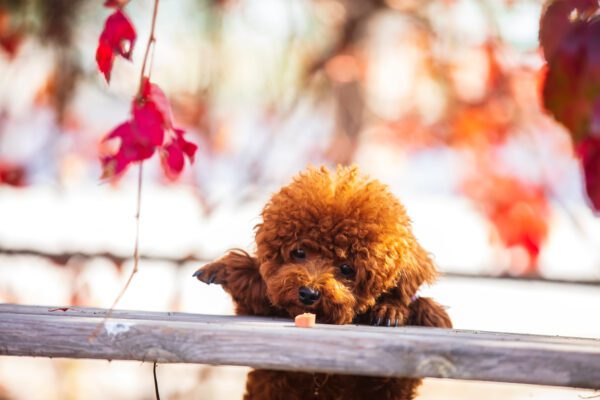
Toy Poodles are bright, affectionate, and eager to learn. Their small size and low-shedding curls make daily life easier for many households, including apartments and small homes. They form close bonds with their people and thrive when they enjoy gentle exercise, mental games, and steady companionship.
Before you adopt a Toy Poodle in Vermont, take time to learn about the breed. Regular professional grooming every 4 to 6 weeks keeps the coat healthy, and daily brushing prevents matting. Dental care matters for small dogs, so plan for brushing and routine cleanings. Adoption gives a dog a second chance and helps reduce the demand for commercial breeding. Vermont suits Toy Poodles when owners manage the climate with care. Winters are cold and snowy, so short outings, a warm coat, and booties keep a small dog comfortable. Summers are mild and pleasant, and gentle walks on shaded paths work well.
Vermont’s mix of walkable towns and rural roads offers variety for training and socialization. Quiet neighborhoods support calm leash manners. Forest trails and fields invite sniffing sessions when footing is safe and temperatures are moderate. A Toy Poodle does best with a predictable routine, a safe indoor space, and daily engagement that challenges a clever mind.
You can skip searching shelters and rescues one by one by using the adoption listings at Dog Academy. You can filter for size, age, and location, and you can review helpful guides and adoption checklists that prepare you for each step. You can also check local animal shelters, regional rescues, and breed-specific rescue groups that work with small dogs.
Start by browsing listings and reading each profile with care. A good profile explains age, temperament, medical history, and ideal home environment. When you see a possible match, you submit an application that shares your household details, your schedule, and your plan for training and care. Applications often ask for a veterinary reference and a landlord approval letter when you rent.
Rescues may invite you to a phone interview and a meet-and-greet. Some groups use a home check to confirm that your space is safe, which means they verify secure fencing, safe storage of cleaning supplies, and a stable routine for exercise and enrichment. Approval timelines vary by group and by demand. A typical process in Vermont takes from 1 to 3 weeks when your application, references, and meet-and-greet move forward quickly.
Many foster-based groups schedule meets in public spaces or in a foster home. Some regional rescues arrange transport to Vermont when a dog is located in another area. Transport is often arranged by rescues to move dogs between states, and it may involve volunteer relay drivers or licensed carriers who follow health and safety rules. Finalizing an adoption usually happens after the meet-and-greet, the home check when required, and approval from the placement team.
|
How Much Does It Cost to Adopt a Toy Poodle in Vermont?A realistic adoption fee for a Toy Poodle in Vermont usually falls from $350 to $550. This estimate reflects demand for small, low-shedding dogs and the cost of essential veterinary care provided before adoption. Fees often include spaying or neutering, vaccinations, microchipping, and veterinary exams. Some organizations also provide recent grooming or dental work, which can shift the fee toward the higher end. Age, training, and medical needs affect the final amount. Puppies and highly social adults often sit near the top of the range, while seniors or dogs with ongoing medical needs may be closer to the lower end. A dog that has completed basic training or that has received recent dental cleanings may cost more because that care adds value. Location, time spent in foster care, and breed demand in the Northeast also influence pricing. |
How Should I Train a Toy Poodle?Toy Poodles are among the most trainable companion dogs. They learn quickly when you use clear cues, short sessions, and generous rewards. Positive reinforcement builds confidence and strengthens your bond. Aim for sessions that last from 5 to 10 minutes and repeat them several times a day. Keep rewards small and frequent, and mark correct choices right away. Common challenges include extra alert barking, soft mouth sensitivity during grooming, and separation distress. Teach a quiet cue with calm exposure to sounds, reward relaxed behavior, and give predictable routines for rest and play. Crate training and alone-time training help prevent anxiety. House training can be harder in winter when snow and ice feel uncomfortable. Use a consistent schedule, take your dog to one cleared potty spot, dress your dog in a warm coat and booties, and deliver high-value rewards the moment your dog finishes outside. An indoor potty area can be a temporary tool while you transition to outdoor habits. If you want expert guidance, you can follow Dog Academy’s online training courses. Step-by-step lessons cover puppy foundations, loose-leash walking, enrichment games, and calm behavior in the home. You can train at your pace and reinforce the habits that help a Toy Poodle thrive in Vermont. |

|
The best match is an adopter who enjoys daily companionship, gentle walks, and plenty of mental games. A strong match also budgets for regular grooming and routine veterinary care. A Toy Poodle in Vermont needs a safe indoor space, winter gear for short outings, and a calm routine that supports learning.
Take your time, read profiles carefully, and ask clear questions about health, history, and temperament. Prepare your home with a crate, a bed, a few enrichment toys, and a plan for house training. When you feel ready, start with the listings and resources at Dog Academy, follow the process step by step, and move forward when the fit feels right for both you and the dog.

Introducing a new puppy to your current dog is often an exciting process, and many dogs will become fast friends and eas...
Read More
Rescue dogs can make great companions and can transform your home into something better. These dogs make great pets and ...
Read More
You should never rush to pet a dog. Even dog owners make the mistake of approaching unfamiliar dogs and petting them rig...
Read More
Puppy mill dogs are survivors who have endured extreme hardships in their lives. They have grown up in horrendous, unsan...
Read More
With their wagging tails and comforting presence, adopting a dog can add a unique touch to your life. It’s a heart...
Read More
Older dogs may have a few gray hairs around the edges, but that doesn’t mean they can’t make wonderful companions! T...
Read More