



























































































































































































Introducing a new puppy to your current dog is often an exciting process, and many dogs will become fast friends and eas...
Read MoreAdopt Me

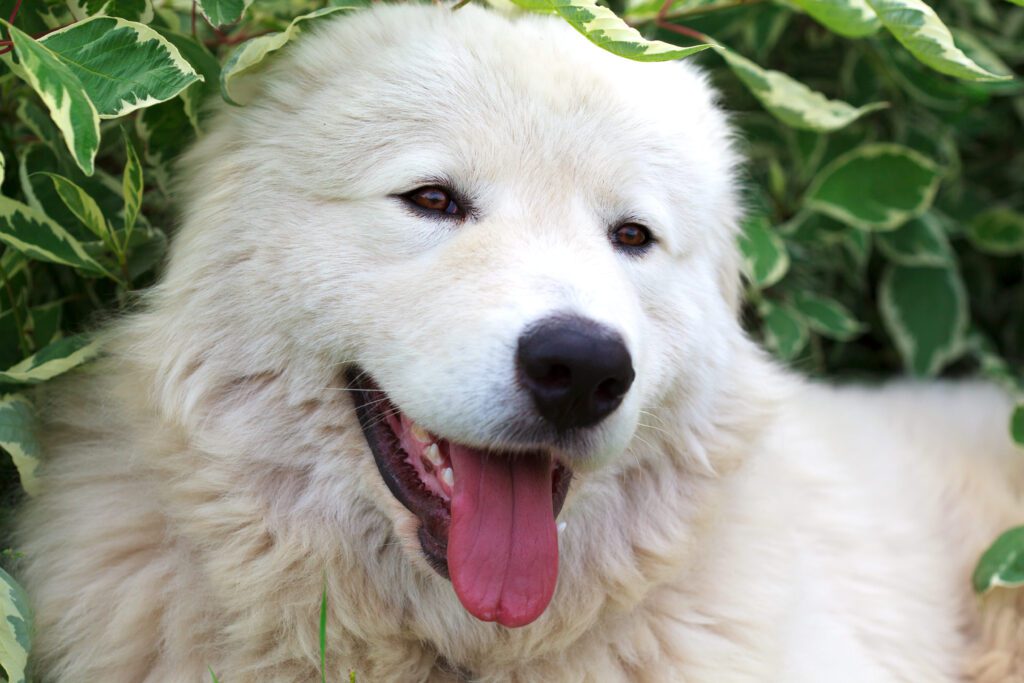
The Maremma Sheepdog is a calm, confident, and devoted livestock guardian that bonds deeply with family. This breed protects quietly and thinks independently, which creates a steady partner for rural life. Research matters because the Maremma Sheepdog works best with clear boundaries, daily purpose, and patient training. Adoption often suits this breed because adult dogs show known temperaments and come with essential veterinary care already completed.
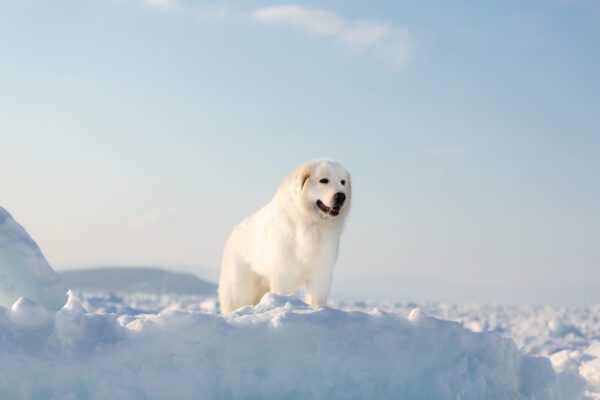
Vermont offers a strong fit for the Maremma Sheepdog due to its cold winters, rolling hills, and working farms. The dense double coat handles snow and wind with ease, and the breed enjoys long walks on wooded trails. The landscape also presents challenges that require planning. Neighbors live closer in many Vermont towns, and the Maremma Sheepdog can bark to alert at night, so a thoughtful routine and respectful management are important.
Adopting rather than buying supports animal welfare and helps a dog in need. Many Maremma Sheepdogs and similar guardian breeds enter rescue due to mismatched homes. Careful screening and education help prevent repeat surrenders. Vermont adopters who prepare for secure fencing, structured socialization, and daily enrichment often find the Maremma Sheepdog to be a loyal and rewarding companion.
You can avoid searching for rescues and shelters separately by starting with Dog Academy, which centralizes adoption listings and provides clear guidance for each step. You can browse available dogs, learn about breed needs, and use educational checklists to plan your home setup. You can also explore local animal shelters, regional rescues, and breed-specific rescue groups that serve New England. Careful reading of each profile helps you match energy level, guarding instincts, and household fit.
You can begin by browsing listings and saving dogs that match your lifestyle. Strong candidates often show calm confidence, manageable energy, and comfort living near neighbors. You can submit an application that shares your schedule, fencing details, and experience with large breeds. Many groups request personal references and landlord approval when you rent, which helps verify a stable and safe home.
Most rescues arrange a meet-and-greet after the application review, which allows you to confirm chemistry and discuss management plans. Many groups complete a home check as a virtual video tour or an in-person visit to verify secure fencing, safe storage for food and medications, and a quiet rest area. Approval timelines usually run 1 to 3 weeks, though timelines can move faster for local applicants and slower for complex medical or behavioral cases.
Some rescues arrange transport to move dogs between locations when a strong match exists. Transport is often coordinated by volunteer drivers or licensed carriers who move dogs along planned routes. Most groups require a health certificate and up-to-date vaccinations before travel, which protects the dog and other animals. You can always ask for a clear schedule, fees, and handoff instructions before you confirm transport.
|
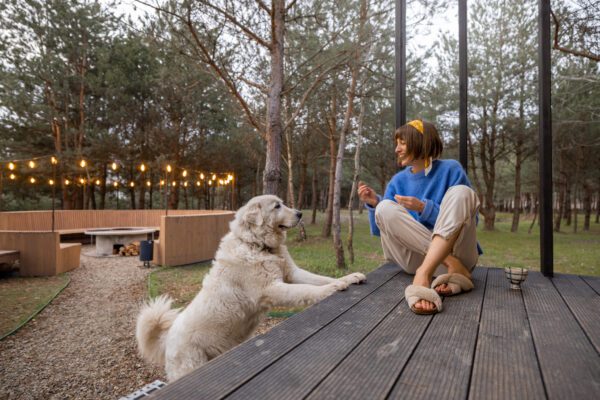
How Much Does It Cost to Adopt a Maremma Sheepdog in Vermont?In Vermont, a realistic adoption fee for a Maremma Sheepdog typically falls between $250 and $500. Young adults that are fully vetted and well socialized can reach $600 due to higher demand and recent care. Fees vary with age, training, medical history, and the time a dog spends in foster care. Most adoption fees help cover spaying or neutering, vaccinations, microchipping, and veterinary exams. Fees can also reflect heartworm testing, parasite treatment, dental care, and transport support when a dog comes from out of state. Puppies can cost more due to boosters and early training support, while seniors can cost less due to lower demand and sponsorships. Always request an itemized breakdown so you understand how the fee supports the dog you adopt. |
How Should I Train a Maremma Sheepdog?The Maremma Sheepdog learns quickly when training respects the breed’s independent nature. The dog was bred to make decisions while guarding livestock, so training works best when you reward thoughtful choices. Positive reinforcement with food, toys, and calm praise builds trust and reliable behavior. Harsh corrections can damage confidence and increase resistance, which slows progress. Focus on rock-solid basics such as name recognition, recall with a long line, boundary training around gates and driveways, and quiet cues to manage alert barking. Daily work matters more than intense workouts for this breed. Structured walks, scent games, and chores like stationing near livestock or the yard provide healthy outlets for guarding instincts. Secure fencing of at least 5 feet helps prevent roaming, and careful socialization teaches polite neutrality with visitors and dogs. You can build a complete plan with Dog Academy’s online training courses, which show step-by-step methods for recall, leash manners, calm greetings, and impulse control. Clear lessons, short sessions, and consistent rewards help the Maremma Sheepdog understand expectations and settle into family life. |
|
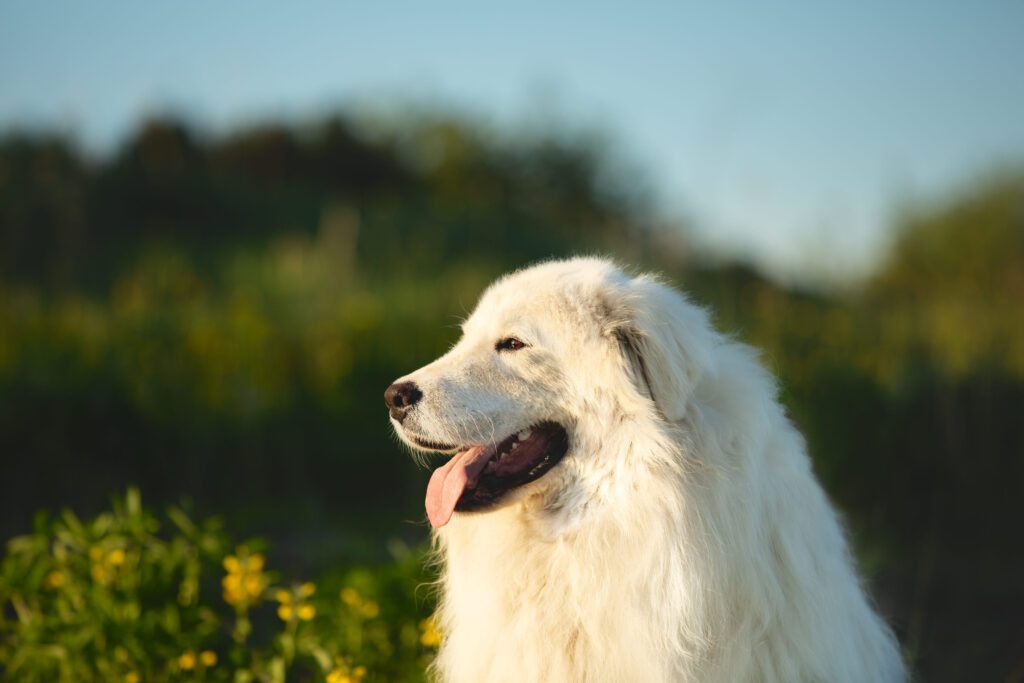
The ideal Vermont adopter enjoys a quiet lifestyle, values routine, and maintains secure fencing. Families that provide calm leadership, patient socialization, and daily purposeful activity often thrive with this guardian breed. Preparation reduces stress and creates a smooth transition for everyone.
Take time to research, ask detailed questions, and plan your home before you apply. When you move at a thoughtful pace, you find a dog that fits your landscape, your schedule, and your goals. With the right match, adopting a Maremma Sheepdog in Vermont becomes a meaningful partnership that lasts for years.

Introducing a new puppy to your current dog is often an exciting process, and many dogs will become fast friends and eas...
Read More
Rescue dogs can make great companions and can transform your home into something better. These dogs make great pets and ...
Read More
You should never rush to pet a dog. Even dog owners make the mistake of approaching unfamiliar dogs and petting them rig...
Read More
Puppy mill dogs are survivors who have endured extreme hardships in their lives. They have grown up in horrendous, unsan...
Read More
With their wagging tails and comforting presence, adopting a dog can add a unique touch to your life. It’s a heart...
Read More
Older dogs may have a few gray hairs around the edges, but that doesn’t mean they can’t make wonderful companions! T...
Read More