

























































































































































Introducing a new puppy to your current dog is often an exciting process, and many dogs will become fast friends and eas...
Read More
How to Introduce a New Puppy to Your Dog


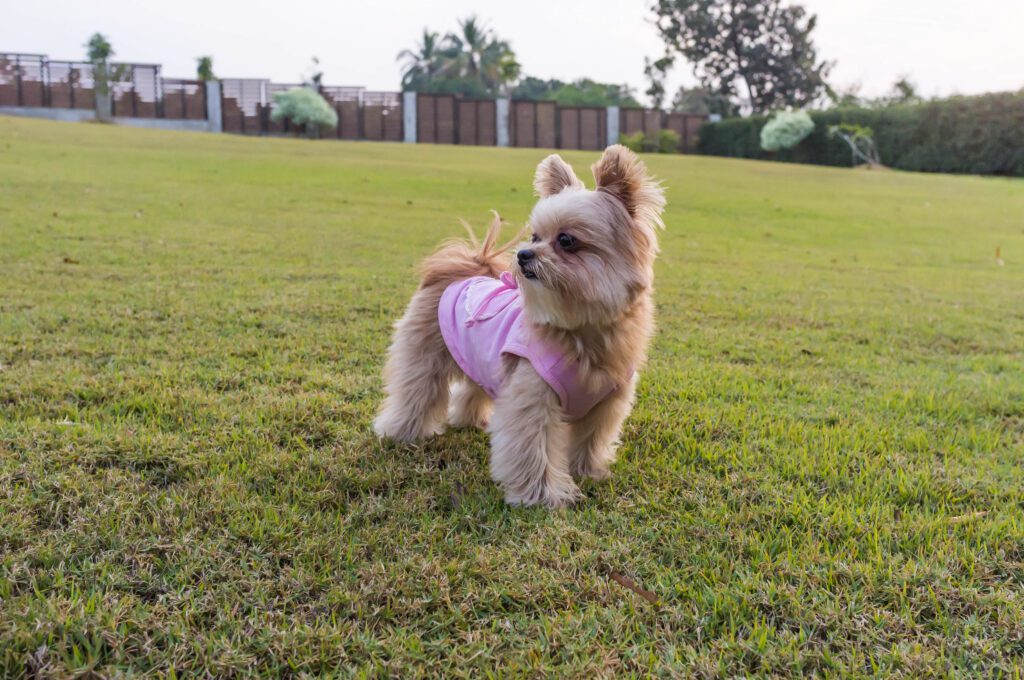
The Chorkie is a lively mix of Chihuahua and Yorkshire Terrier that loves attention, learns quickly, and bonds closely with its family. This small companion suits apartment living and relaxed Vermont towns, yet it still enjoys short adventures on quiet trails. Thoughtful research helps you understand energy needs, grooming, and training so you can support a confident and healthy life for your dog. Adoption gives a deserving dog a second chance and reduces demand for commercial breeding.
Vermont offers a calm pace, walkable neighborhoods, and easy access to nature. These qualities fit a Chorkie that prefers short daily walks and quality time at home. Vermont winters can be long and cold, and a Chorkie has a thin coat and a small body, so you must plan for sweaters, a snug harness, and limited time outside during freezing weather. Rural roads, snow, and ice require careful leash handling and paw protection. With planning and patience, a Chorkie can thrive in both Burlington apartments and country homes.
You can avoid searching rescues and shelters one by one by using Dog Academy to browse current adoption listings across locations. The listings save time by gathering dogs from local animal shelters, regional rescues, and breed-specific rescue groups. Dog Academy also provides educational guides and a practical adoption checklist so you can prepare your home, choose quality supplies, and plan your first week with confidence.
Start by browsing listings and filtering for size, age, and location. Read each profile for temperament notes, medical history, and any training already in place. Contact the organization that is caring for the dog and ask clear questions about barking, energy, comfort with children, and comfort with other pets. A Chorkie’s small size can hide a big voice, so you should ask about noise levels and apartment suitability.
Most organizations use a detailed application that requests personal information, veterinary history, and references. Renters are often asked for landlord approval because many leases have pet rules. After an initial review, the team schedules a meet-and-greet with the dog and your household. Many groups also complete a home check by video or an in-person visit to confirm safe fencing, secure doors, and a quiet space for decompression. Approval timelines vary from a few days to a few weeks depending on staffing, your responsiveness, and the number of applicants.
Some groups offer foster-to-adopt, which allows you to take the dog home for a trial period while support continues. Transport is sometimes arranged by rescues to move dogs between locations when an adopter lives far away. Transport typically relies on volunteer drivers or licensed carriers and requires a health certificate from a veterinarian before travel. Always confirm fees, schedules, and pickup details in writing so the plan remains clear.

|
How Much Does It Cost to Adopt a Chorkie in Vermont?In Vermont, most adopters pay about $350 to $550 for an adult Chorkie. Puppies with high demand may range from $500 to $700, while seniors with lower demand may be closer to $200 to $350. Fees vary based on age, previous training, medical care provided, and local demand for small companion dogs. Most organizations include spaying or neutering, vaccinations, microchipping, and veterinary exams in the fee, which increases upfront costs but reduces your initial medical spending after adoption. Dental cleanings, heartworm tests, flea and tick prevention, and any corrective care can also affect the final fee because small breeds often need extra attention. A well-documented history can raise the fee slightly because it reflects recent care and current health records. |
How Should I Train a Chorkie?Chorkies are bright, curious, and eager to please, which makes positive reinforcement the best choice. Reward quiet behavior, gentle greetings, and calm leash skills with treats and praise. Many Chorkies learn quickly but can become stubborn if training feels harsh or confusing. Keep sessions short and fun, and end on an easy win so your dog remains eager for the next lesson. House training can be challenging in cold weather, so use frequent outdoor trips, a consistent schedule, and a warm coat to reduce resistance to going outside. Early socialization helps prevent reactivity and fearfulness. Introduce new sounds, visitors, and safe dogs at a comfortable distance, and pair each experience with rewards. Barking can escalate if the dog rehearses watchdog behavior, so teach a quiet cue and reward settled behavior. A snug harness, a short leash, and a calm route support better control on Vermont sidewalks and trails. For step-by-step guidance, explore Dog Academy’s online training courses, which offer small-dog basics, leash manners, house training, and solutions for nuisance barking that you can follow at home. |
|
The ideal Chorkie adopter enjoys close companionship, provides daily structure, and keeps activities brief but consistent. A gentle home with stable routines suits this sensitive breed. Families with children can succeed when everyone learns calm handling and door safety because a small dog can slip out quickly.
Preparation leads to a smooth transition. Set up a warm bed away from drafts, choose a fitted harness, and stock high-value treats for training. Plan winter gear and a safe potty area cleared of ice. Take your time, ask questions, and compare multiple dogs. When you are ready, use Dog Academy’s listings and guides to adopt a Chorkie in Vermont with confidence and care.
Introducing a new puppy to your current dog is often an exciting process, and many dogs will become fast friends and eas...
Read More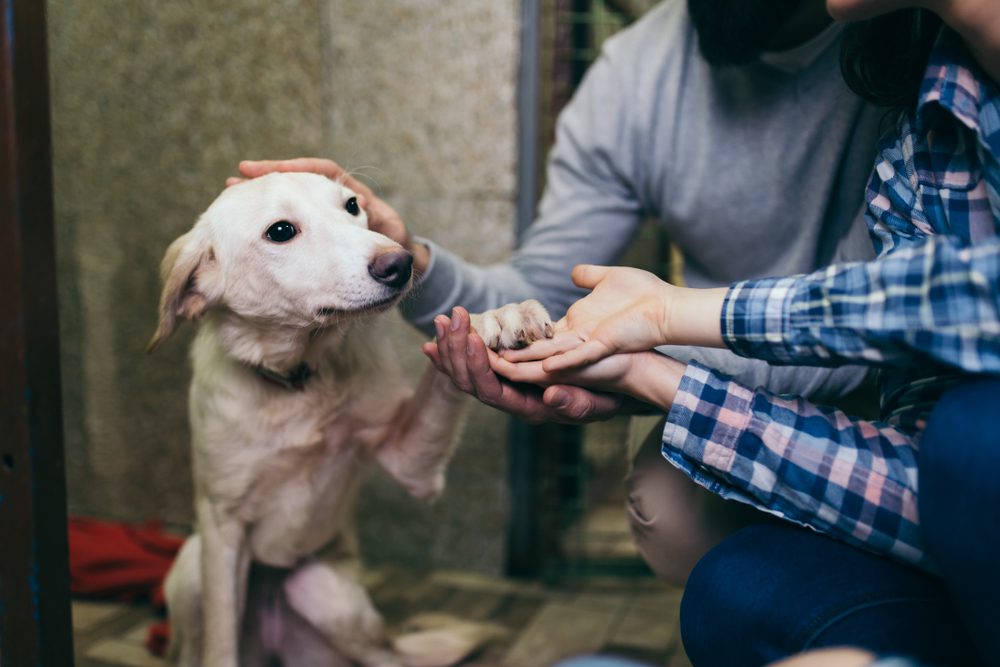
Rescue dogs can make great companions and can transform your home into something better. These dogs make great pets and ...
Read More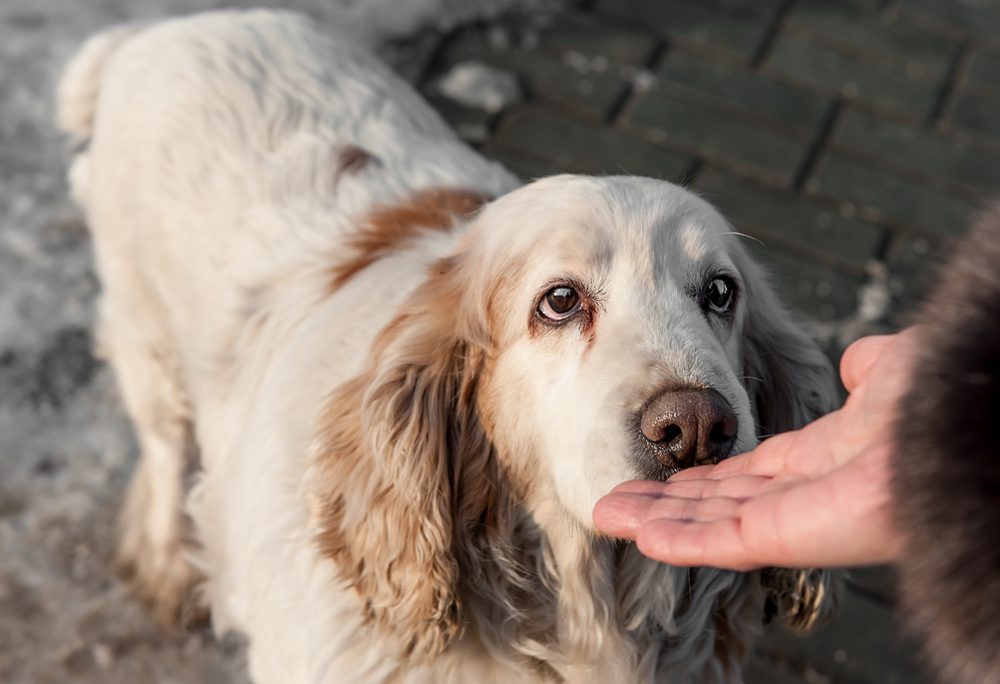
You should never rush to pet a dog. Even dog owners make the mistake of approaching unfamiliar dogs and petting them rig...
Read More
Puppy mill dogs are survivors who have endured extreme hardships in their lives. They have grown up in horrendous, unsan...
Read More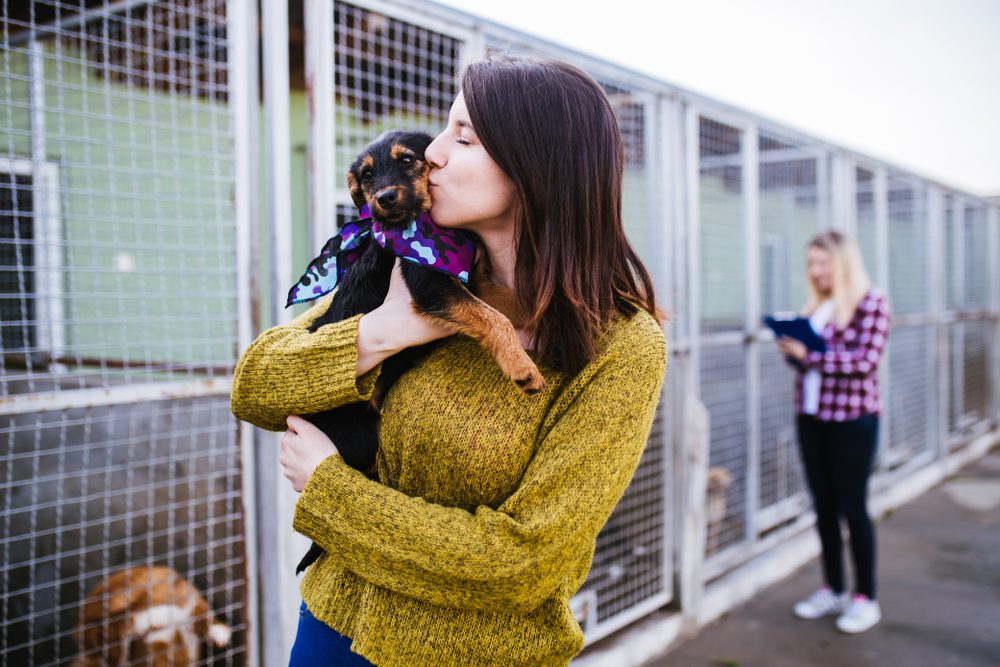
With their wagging tails and comforting presence, adopting a dog can add a unique touch to your life. It’s a heart...
Read More
Older dogs may have a few gray hairs around the edges, but that doesn’t mean they can’t make wonderful companions! T...
Read More