






















































































































































































Introducing a new puppy to your current dog is often an exciting process, and many dogs will become fast friends and eas...
Read More
How to Introduce a New Puppy to Your Dog
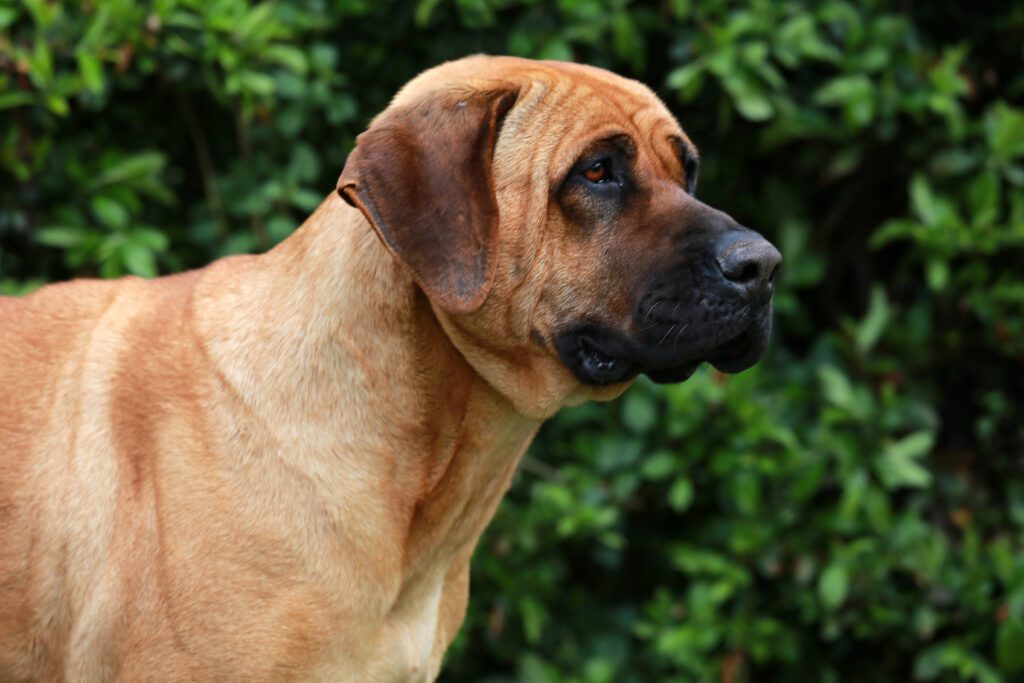
The Tosa Inu is a calm, confident, and deeply loyal guardian that bonds closely with family. This powerful breed prefers a quiet home, steady routines, and clear guidance. Careful research matters before you adopt because the Tosa Inu thrives with structure, early socialization, and thoughtful management. Adoption is often preferable to buying because you give a deserving dog a new start while supporting responsible animal welfare.
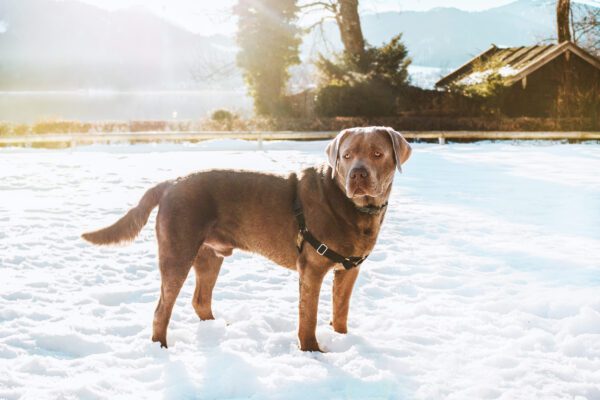
Vermont offers expansive forests, rolling hills, and quiet towns that suit a large, steady companion. Winters are long and cold, and snow can be deep. The Tosa Inu has a short coat, so cold-weather gear, paw protection, and limited outdoor time during extreme cold keep the dog comfortable. Summers can be humid, which means shade, cool rest, and fresh water during exercise. Rural properties with secure fencing work well, while apartment living requires diligent daily walks, elevator manners, and careful hallway etiquette. Consistent leash skills and reliable recall matter on trails and in neighborhoods.
The ideal Vermont lifestyle for a Tosa Inu includes daily training, measured exercise, and calm leadership. This breed prefers predictable interactions and careful introductions with unfamiliar people or dogs. Planning for high-quality food, routine veterinary care, and large-breed equipment helps you meet the needs of a strong and sensitive companion.
You can avoid searching shelters and rescues separately by starting with the listings on Dog Academy. You can browse available dogs, learn about breed needs, and follow clear adoption checklists that explain each step. This approach saves time and keeps your search organized.
Because the Tosa Inu is rare, you may find candidates through local animal shelters, regional rescues, or breed-specific rescue groups that serve Vermont and nearby states. Some rescues arrange transport to move dogs between locations when a good match is found. Transport means the organization coordinates travel for the dog through volunteers or pet-safe carriers so the dog can reach an approved adopter.
The adoption process usually begins with browsing listings and reading each biography in full. You submit an application that includes personal information, veterinary references, and landlord approval when you rent. Many groups follow with a phone interview to confirm your experience and your plans for training, management, and daily care.
After your application is approved, you schedule a meet-and-greet. A careful introduction in a neutral area supports safe interaction with you and any resident pets. A home check follows to confirm secure fencing, safe stairs, suitable crates, and space for rest. Home checks may happen in person or by video when distance is involved. Approval timelines vary from 1 to 4 weeks based on volunteer availability, the dog’s medical status, and scheduling for transport or fostering. Staying responsive and flexible helps the process move smoothly.
|
How Much Does It Cost to Adopt a Tosa Inu in Vermont?In Vermont and the broader Northeast, adoption fees for a Tosa Inu usually range from $350 to $650. The exact fee depends on age, prior training, medical care provided, and current demand for the breed. Puppies and younger adults often sit at the higher end, while mature dogs may be slightly lower. Fees typically include spaying or neutering, vaccinations, microchipping, and veterinary exams. Costs can increase when organizations invest in orthopedic screening, dental care, or heartworm treatment for large breeds. Fees may also reflect transport when a dog travels from another location to Vermont. |
How Should I Train a Tosa Inu?The Tosa Inu is intelligent, observant, and capable of excellent manners with calm, consistent guidance. Positive reinforcement builds trust and clarity for a thoughtful breed that values routine. Use clear marker words, high-value rewards, and short, focused sessions. Avoid harsh corrections because they can create confusion and stress in a sensitive guardian breed. Start with foundation skills that support everyday life in Vermont. Teach loose-leash walking for snowy sidewalks and muddy trails. Practice impulse control with sit, wait, and leave-it. Build a reliable recall in secure areas. Train a solid place cue to help your dog relax when guests arrive. Muzzle conditioning adds an extra layer of safety for veterinary visits and challenging situations. Early, structured socialization that focuses on neutrality rather than constant interaction helps a Tosa Inu feel confident without becoming overstimulated. For step-by-step guidance you can follow at home, explore Dog Academy’s online training courses. Plan a slow, thoughtful decompression period after adoption. Keep routines predictable, limit busy environments at first, and reward calm behavior. Avoid off-leash time in unfenced spaces because a strong guardian can make quick choices under pressure. Consistent practice will produce steady progress and a respectful partnership. |
|
The best match is an adopter who enjoys structure, values calm leadership, and commits to daily training. A secure yard, sensible exercise plans, and thoughtful introductions with people and dogs help this breed flourish. Families that appreciate quiet routines, predictable schedules, and steady handling often see the Tosa Inu at its best.
Preparation is the key to a lifelong match. Take time to research, gather supplies, and set clear house rules before your dog arrives. Move at a measured pace, ask questions, and lean on trusted resources. With patience and planning, you can adopt a Tosa Inu in Vermont and build a confident, loyal companion for years to come.
Introducing a new puppy to your current dog is often an exciting process, and many dogs will become fast friends and eas...
Read More
Rescue dogs can make great companions and can transform your home into something better. These dogs make great pets and ...
Read More
You should never rush to pet a dog. Even dog owners make the mistake of approaching unfamiliar dogs and petting them rig...
Read More
Puppy mill dogs are survivors who have endured extreme hardships in their lives. They have grown up in horrendous, unsan...
Read More
With their wagging tails and comforting presence, adopting a dog can add a unique touch to your life. It’s a heart...
Read More
Older dogs may have a few gray hairs around the edges, but that doesn’t mean they can’t make wonderful companions! T...
Read More