
















































































































































































Introducing a new puppy to your current dog is often an exciting process, and many dogs will become fast friends and eas...
Read MoreAdopt Me

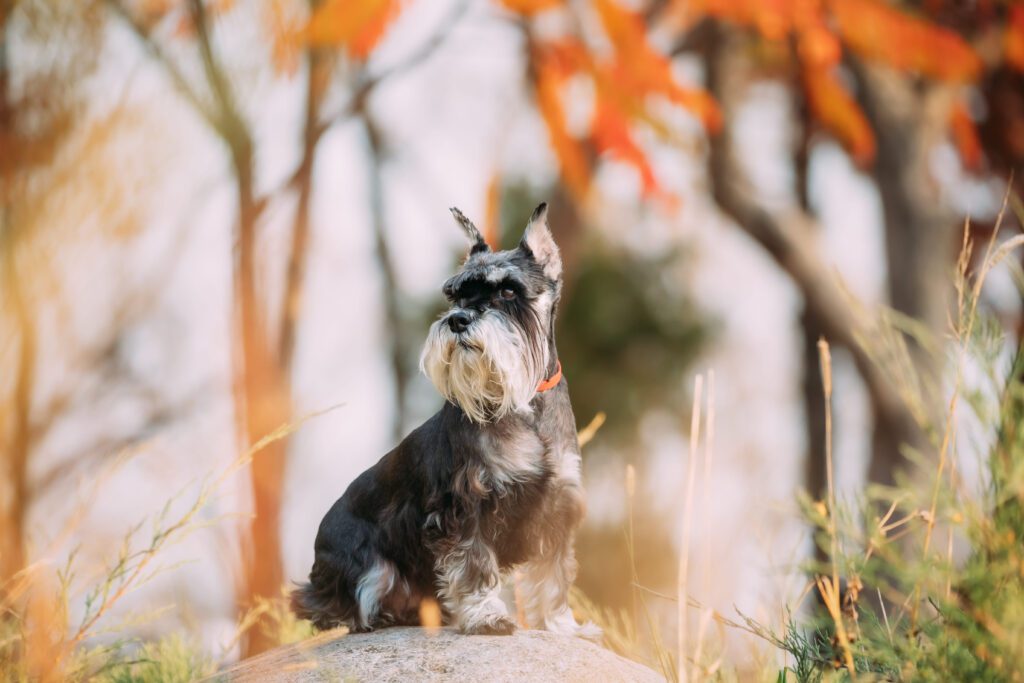


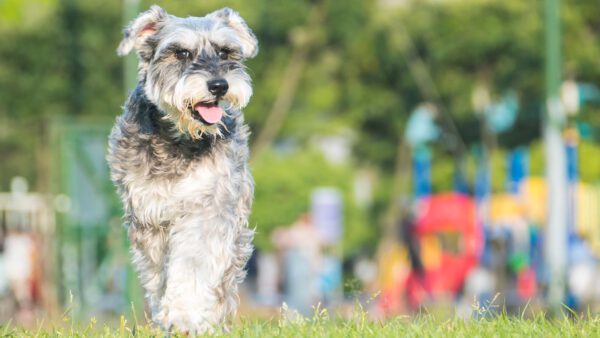
Miniature Schnauzers are bright, affectionate, and loyal dogs that enjoy being part of daily life. The breed stays alert without being aggressive, which makes a Miniature Schnauzer a wonderful watchdog and a cheerful family companion. Their wiry coat sheds very little, and their compact size fits many homes while still keeping a fun, playful spirit.
Thoughtful research helps every adopter succeed. When you adopt a Miniature Schnauzer in Vermont you choose a path that gives a dog a second chance and often provides helpful post-adoption support. Adoption also reduces pressure on crowded shelters. Careful planning makes the transition smooth for both you and your new dog.
Vermont offers a strong match for this breed. Cold winters suit the Miniature Schnauzer’s double coat, yet a warm sweater and brief outings help during deep freezes. Summers are mild compared to many states, which supports regular exercise. Rural roads, forest trails, and friendly small towns create many options for walks. Apartment living can also work in Vermont when you provide daily exercise, enrichment, and regular grooming.
You can avoid searching shelters and rescues separately by using Dog Academy to browse up-to-date adoption listings. You can also use Dog Academy to access educational guides and adoption checklists that explain each step in plain language. Beyond Dog Academy, you can look at local animal shelters, regional rescues, and breed-specific rescue groups that focus on terriers and Schnauzers. Each source may list different dogs, so checking more than one source improves your chances.
Start by browsing listings and reading full profiles. A good profile explains age, size, temperament, medical history, and ideal home environment. Miniature Schnauzers are intelligent and active, so look for notes about energy level, comfort with children, and comfort with other pets. If you live in a quiet mountain town, confirm the dog feels at ease with wildlife sounds and occasional visitors. If you live in a busier area, look for a dog that has experience with sidewalks and steady foot traffic.
When you find a match, you submit an application. Applications typically request basic information, references, proof of identification, and landlord approval if you rent. Many groups also ask about your daily schedule, exercise plans, and grooming plans. After review, coordinators schedule a meet-and-greet so you can interact with the dog and confirm a good fit. Some organizations conduct home checks in person or by video to ensure safe fencing, secure storage for food and medications, and a calm place for rest. Approval timelines in Vermont often range from 1 to 3 weeks, though timing varies with staff availability and the number of applicants.
If the perfect Miniature Schnauzer is located outside your immediate area, ask about transport. Transport is often arranged by rescues to move dogs between states when an approved adopter is ready. Transport can involve volunteer drivers or professional carriers, and coordinators explain fees, schedules, and safety protocols before travel begins.

|
How Much Does It Cost to Adopt a Miniature Schnauzer in Vermont?Most adopters in Vermont can expect adoption fees that range from $250 to $600 for adults. Puppies and highly sought dogs can range from $400 to $700. Fees vary with age, training, recent medical care, and overall demand for the breed in New England. A dog that arrives already house trained or crate trained may fall at the higher end due to added preparation time. Adoption fees usually include spaying or neutering, vaccinations, microchipping, and veterinary exams. Fees may also reflect dental cleanings, prescription medications, or grooming performed before placement. Ask for an itemized list so you understand exactly what has been provided and what follow-up care you should plan after adoption. |
How Should I Train a Miniature Schnauzer?Miniature Schnauzers are quick learners that enjoy clear structure. They respond best to positive reinforcement, consistent routines, and short training sessions. Use high-value treats and upbeat praise to reward calm behavior, polite greetings, and loose-leash walking. Early socialization builds confidence around visitors, children, bicycles, and other dogs. This breed can develop a strong bark because it stays alert by nature. Teach a quiet cue and reward the first pause in barking so the dog learns to settle. A reliable recall and leave-it cue help manage prey drive on Vermont trails. Introduce grooming skills early by pairing nail trims, beard cleaning, and brushing with gentle handling and rewards. You can build a solid foundation at home with Dog Academy’s online training courses, which provide step-by-step lessons for obedience, manners, and enrichment. |
|
The ideal owner enjoys daily walks, short training sessions, and regular grooming. A Miniature Schnauzer thrives with a person who provides structure, mental games, and affectionate time together. Families, retirees, and active singles can all succeed when they match the dog’s energy and commit to consistent routines.
Set up your home, gather supplies, and review training plans before you bring your dog home. Take your time, ask questions, and choose the dog that fits your lifestyle today. With patience and preparation, you can adopt a Miniature Schnauzer in Vermont and welcome a bright, loyal companion for years to come.

Introducing a new puppy to your current dog is often an exciting process, and many dogs will become fast friends and eas...
Read More
Rescue dogs can make great companions and can transform your home into something better. These dogs make great pets and ...
Read More
You should never rush to pet a dog. Even dog owners make the mistake of approaching unfamiliar dogs and petting them rig...
Read More
Puppy mill dogs are survivors who have endured extreme hardships in their lives. They have grown up in horrendous, unsan...
Read More
With their wagging tails and comforting presence, adopting a dog can add a unique touch to your life. It’s a heart...
Read More
Older dogs may have a few gray hairs around the edges, but that doesn’t mean they can’t make wonderful companions! T...
Read More