


























































































































































































Introducing a new puppy to your current dog is often an exciting process, and many dogs will become fast friends and eas...
Read MoreAdopt Me



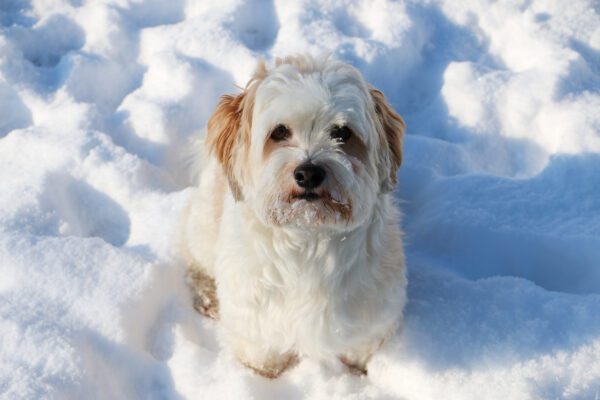
The Havanese is a cheerful companion with bright eyes, a silky coat, and a social nature. This small dog bonds closely with people and thrives on gentle attention. Families, retirees, and first-time adopters often love the breed’s friendly temperament, moderate energy, and polite manners when trained with patience.
Before you adopt a Havanese in Vermont, take time to research the breed’s needs. A thoughtful adoption gives a dog a second chance and supports lifesaving work. Adoption is usually more responsible than buying because it matches dogs to committed homes and includes essential veterinary care. Careful preparation helps you welcome a dog who fits your lifestyle and your budget.
Vermont’s climate adds a few considerations for this small companion. Winters are long and cold, which means a Havanese needs warm layers, safe footing on ice, and short outdoor sessions. Summers can be humid, so shade and water are essential. Vermont’s mix of towns, villages, and rural trails suits this adaptable breed. Apartment living works well when you provide daily walks and indoor play. Country life also suits the Havanese, but owners must manage ticks, road salt, and snow with regular coat and paw care.
You can skip separate searches of rescues and shelters by starting with Dog Academy. Dog Academy brings adoptable Havanese into one place from local animal shelters, regional rescues, and breed-specific rescue groups. You can also use Dog Academy’s educational guides and adoption checklists to plan your timeline, budget, and home setup.
Adoptable Havanese in Vermont appear through local animal shelters, regional rescues, breed-specific rescue groups, and foster networks. Begin by browsing listings and setting filters for age, size, and distance. Read each bio carefully. Look for details about temperament, medical history, grooming needs, and any training notes. Ask for videos or behavior evaluations when available so you understand how the dog handles new people, other pets, and busy environments.
Most groups ask for an application that includes personal references, proof of housing, and landlord approval when you rent. If you have pets, many groups request recent vaccination records and a veterinarian contact. After an application review, you schedule a meet-and-greet at a shelter, a foster home, or a neutral location. Some groups complete a home check by video or in person to confirm safety, secure doors, and suitable spaces for rest and potty breaks. Approval can take 3 to 14 days for straightforward cases, and complex placements can take a few weeks. Clear communication speeds the process and helps match you with the right dog.
When a dog is not already in Vermont, rescues sometimes arrange transport to move dogs between locations. Transport is a coordinated trip that brings dogs from overfilled shelters to approved adopters or fosters. You may meet at a central pickup point and pay a separate transport fee, which covers fuel, health certificates, and care during the trip. Ask how the dog handles travel so you can prepare a crate, a harness, and cleanup supplies for a safe ride home.
|
How Much Does It Cost to Adopt a Havanese in Vermont?Expect adoption fees for a Havanese in Vermont to fall between $300 and $600. Puppies and young adults with high demand can reach $650 to $700, while seniors or dogs with special needs can be closer to $250 to $350. Fees reflect care already provided, current demand for small hypoallergenic breeds, and each group’s medical costs in the region. Most fees include spaying or neutering, vaccinations, microchipping, and veterinary exams. Fees may be higher when a dog has recent dental work, blood tests, or professional training. A separate transport fee can apply when a dog travels into Vermont. Age, training history, recent medical care, and overall demand influence the final amount. |
How Should I Train a Havanese?The Havanese is bright, people-focused, and eager to learn. Positive reinforcement works best because this breed responds to praise and food rewards. Short sessions keep attention high and prevent frustration. House training can take time since small dogs have small bladders, so use frequent potty breaks, a consistent schedule, and calm supervision. Teach a quiet cue early to manage alert barking and reward calm choices at the door and window. Socialization matters for confidence. Introduce new sounds, surfaces, and polite greetings at a gentle pace. Crate training helps with travel, rest, and recovery after vet visits. Cooperative care builds trust for grooming, which is important for a long coat. Add puzzle feeders, nose work, and trick training to meet mental needs without overexertion in winter. For step-by-step guidance, explore Dog Academy’s online training courses, which offer clear lessons for manners, socialization, and problem solving. |
|
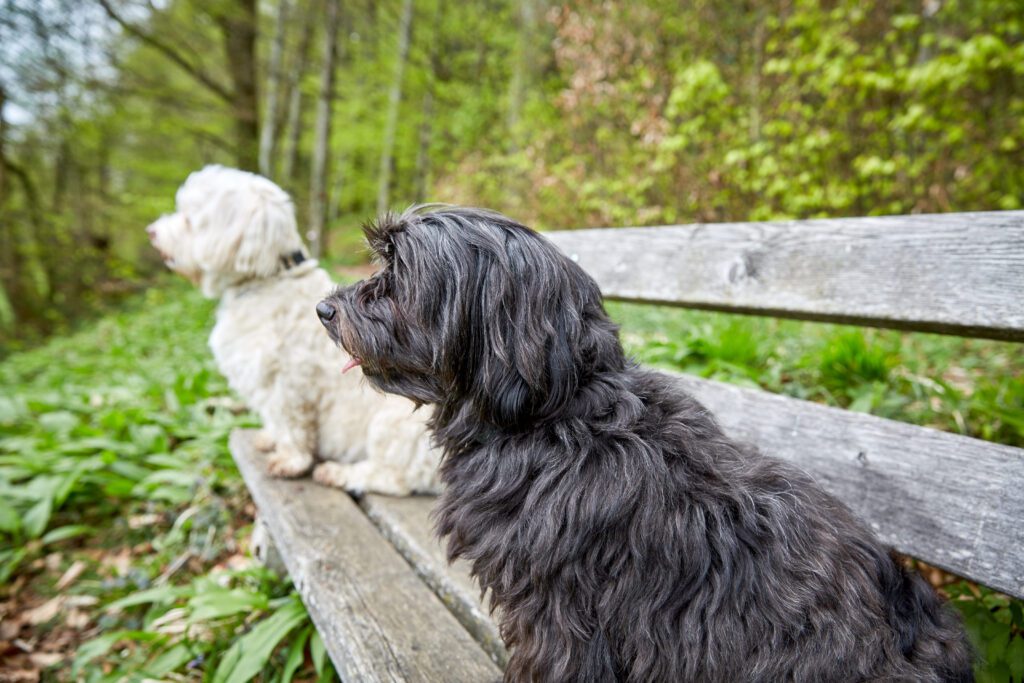
The ideal adopter enjoys daily companionship, provides 2 to 3 short walks, and commits to regular grooming. A Havanese does best with gentle training, positive structure, and time with family. Homes with kids or seniors can work well when everyone understands how to handle a small dog safely.
Prepare your space, gather winter gear, and plan a steady routine before you adopt a Havanese in Vermont. Take your time, ask clear questions, and choose a dog whose needs match your lifestyle. When you are ready to begin, browse available dogs and use the guides on Dog Academy to adopt with confidence.

Introducing a new puppy to your current dog is often an exciting process, and many dogs will become fast friends and eas...
Read More
Rescue dogs can make great companions and can transform your home into something better. These dogs make great pets and ...
Read More
You should never rush to pet a dog. Even dog owners make the mistake of approaching unfamiliar dogs and petting them rig...
Read More
Puppy mill dogs are survivors who have endured extreme hardships in their lives. They have grown up in horrendous, unsan...
Read More
With their wagging tails and comforting presence, adopting a dog can add a unique touch to your life. It’s a heart...
Read More
Older dogs may have a few gray hairs around the edges, but that doesn’t mean they can’t make wonderful companions! T...
Read More