



































































































































Introducing a new puppy to your current dog is often an exciting process, and many dogs will become fast friends and eas...
Read MoreAdopt Me

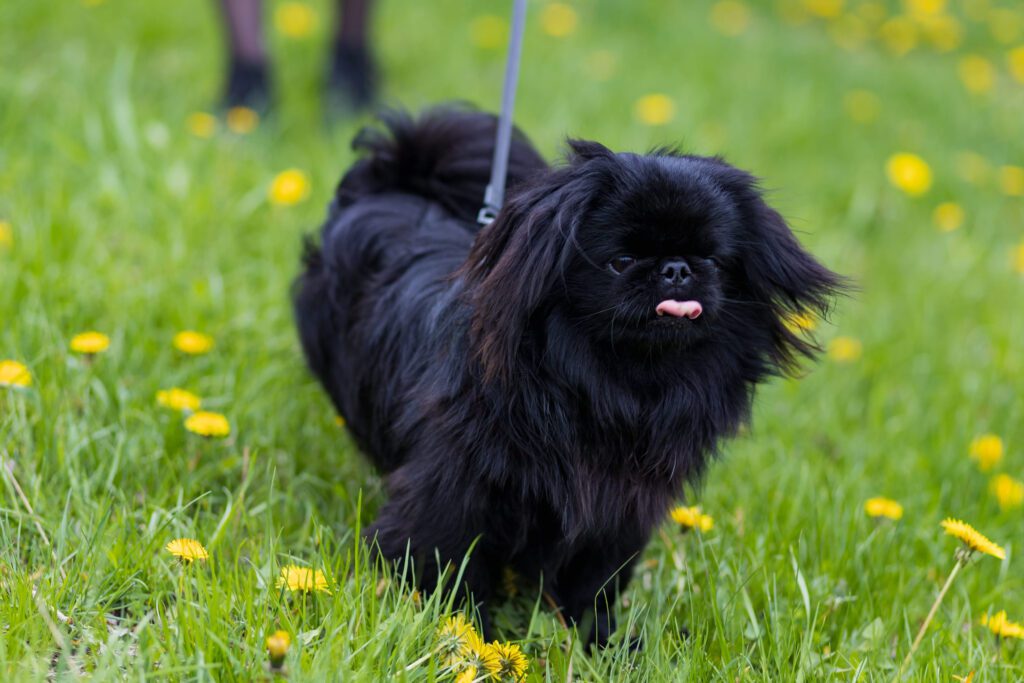
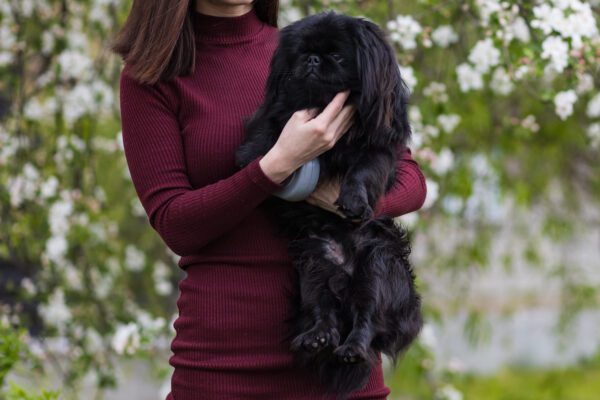
The Pekingese is a devoted companion with a bold spirit, a loving heart, and a charmingly regal look. This small breed prefers close contact with its family, enjoys short daily walks, and relaxes happily on a cozy couch. Careful research before you adopt a Pekingese in Vermont protects both you and the dog. Adoption gives a dog a second chance, helps reduce pressure on shelters, and often provides a fuller picture of temperament and health than buying from a seller.
Vermont’s seasons bring special considerations for a Pekingese. Winters are cold with snow and ice, so a warm jacket, protected paws, and limited time outdoors keep a Pekingese safe. Summers can be humid, and the breed’s flat face makes heat management essential, so air conditioning, shade, and cool water are critical. Vermont’s rural roads and mountain towns reward slow strolls and indoor enrichment on stormy days. A Pekingese thrives in apartments and small homes, and the breed does best with gentle routines, calm play, and careful grooming to manage its long coat.
You can avoid searching local shelters and rescues one by one by starting with Dog Academy. You can browse current listings, filter for breed and location, and follow clear steps that guide you from first look to final approval. You can also use Dog Academy’s educational guides and adoption checklists to prepare your home, plan your budget, and understand breed needs before you apply.
Adoptable Pekingese in Vermont appear through local animal shelters, regional rescues, breed-specific rescue groups, and foster networks. Some groups coordinate transport to move dogs between states when a good match is available. Transport means a rescue arranges safe travel, confirms health paperwork, and schedules a handoff at a meeting point. When you read listings, focus on age, activity level, grooming needs, and any noted health issues such as dry eye, luxating patella, or airway concerns. This information helps you select a dog that fits your household and lifestyle.
The process begins with browsing listings and submitting an application. Applications usually request identification, landlord approval if you rent, and a veterinary reference if you have had pets. Many organizations conduct a brief phone interview to confirm your plans for exercise, grooming, and veterinary care. A meet-and-greet often follows. Meetings can be in person or virtual, and they help you assess compatibility with children and other pets. A home check may be virtual or in person. The goal is to verify safe stairs, secure doors, and a quiet space for rest. Approval timelines typically run 1 to 3 weeks for local matches, and they may take longer if medical care or transport is required.
When approved, you sign an adoption contract and pay the fee. You receive medical records that summarize spaying or neutering, vaccinations, microchipping, and veterinary exams. Pickups occur at the shelter, at a foster home, or at a designated meeting location. If transport is used, the rescue provides the itinerary and arrival details so you can meet your new dog on time and with the right supplies.

|
How Much Does It Cost to Adopt a Pekingese in Vermont?Most Vermont shelters and rescues place Pekingese for $300 to $550. This range reflects small-breed demand in New England and the cost of routine care provided before adoption. Fees usually include spaying or neutering, vaccinations, microchipping, and veterinary exams. Costs can rise when recent dental work, eye treatment, or specialized medications are included. Puppies often sit near the top of the range because of higher demand and additional preventive care. Optional transport that moves a dog from another state can add $50 to $150 to cover safe travel and required health certificates. |
How Should I Train a Pekingese?The Pekingese is intelligent and observant, yet it can be independent. Short, upbeat sessions work best. Consistent positive reinforcement builds trust and keeps this sensitive breed engaged. Use soft treats and calm praise, and finish while your dog is still eager to learn. House training takes patience because small dogs need frequent potty breaks. A steady schedule, a defined potty area, and generous rewards reduce accidents and confusion. Gentle leash skills, settle on a mat, and quiet greeting manners help a Pekingese feel secure in busy Vermont towns. Handling practice is essential because grooming is part of daily life for this breed. Teach your dog to accept brushing, eye cleaning, and nail trims with step-by-step rewards. Socialization with friendly dogs and people helps prevent reactivity and nervous barking. Always avoid harsh corrections, which can damage confidence and delay progress. For structured lessons you can follow at home, explore Dog Academy’s online training courses. You can learn proven methods for house training, polite walking, grooming cooperation, and calm behavior during Vermont’s long indoor winters. |
|
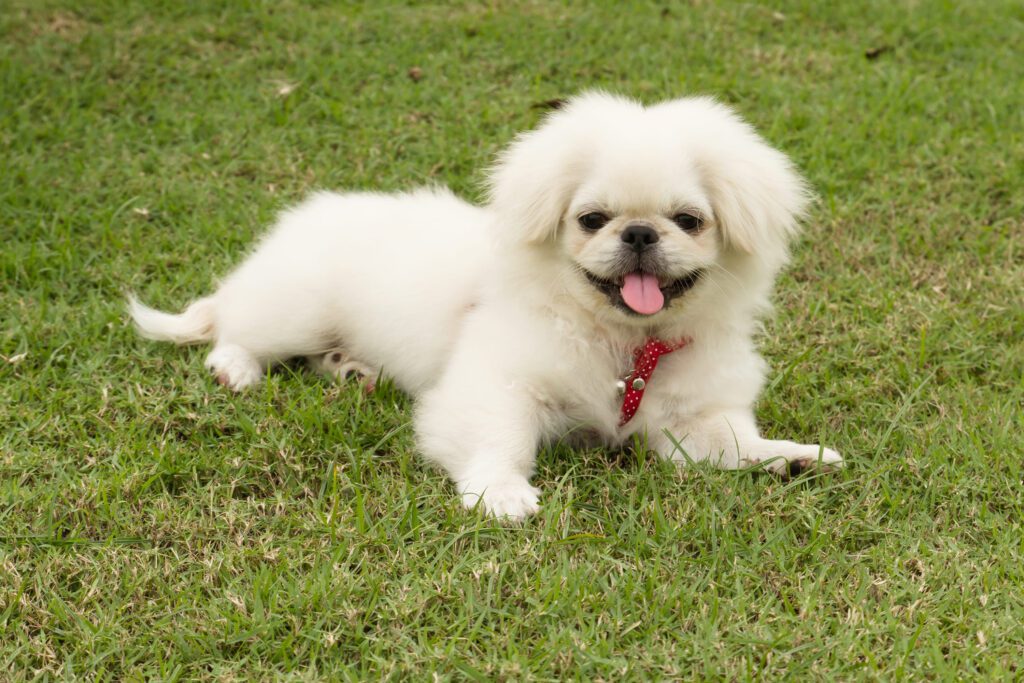
A great match for a Pekingese is an owner who enjoys quiet companionship, plans short daily walks, and keeps a climate-controlled home. Regular brushing, mindful weight management, and prompt veterinary care keep this small companion comfortable and healthy. Thoughtful preparation matters. Set up a safe sleeping space, choose a harness that protects the neck, and plan gentle enrichment for snowy or muddy days.
Take your time, ask clear questions, and make choices that suit your routine. When you are ready to adopt a Pekingese in Vermont, start with Dog Academy to find listings, gather checklists, and approach each step with confidence. A careful process leads to a lasting bond and a happy home for you and your new companion.
Introducing a new puppy to your current dog is often an exciting process, and many dogs will become fast friends and eas...
Read More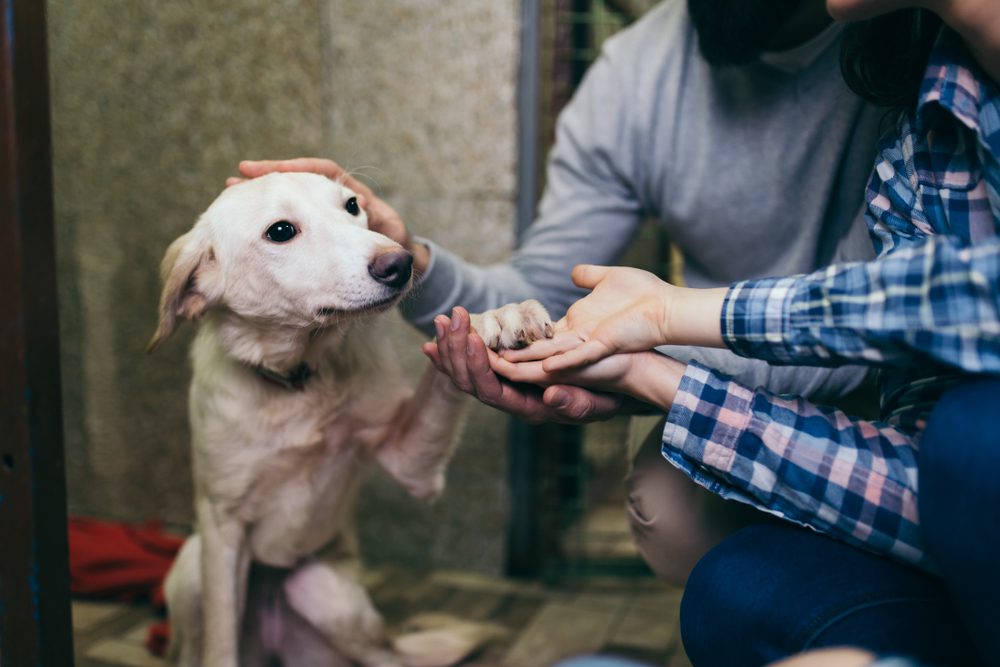
Rescue dogs can make great companions and can transform your home into something better. These dogs make great pets and ...
Read More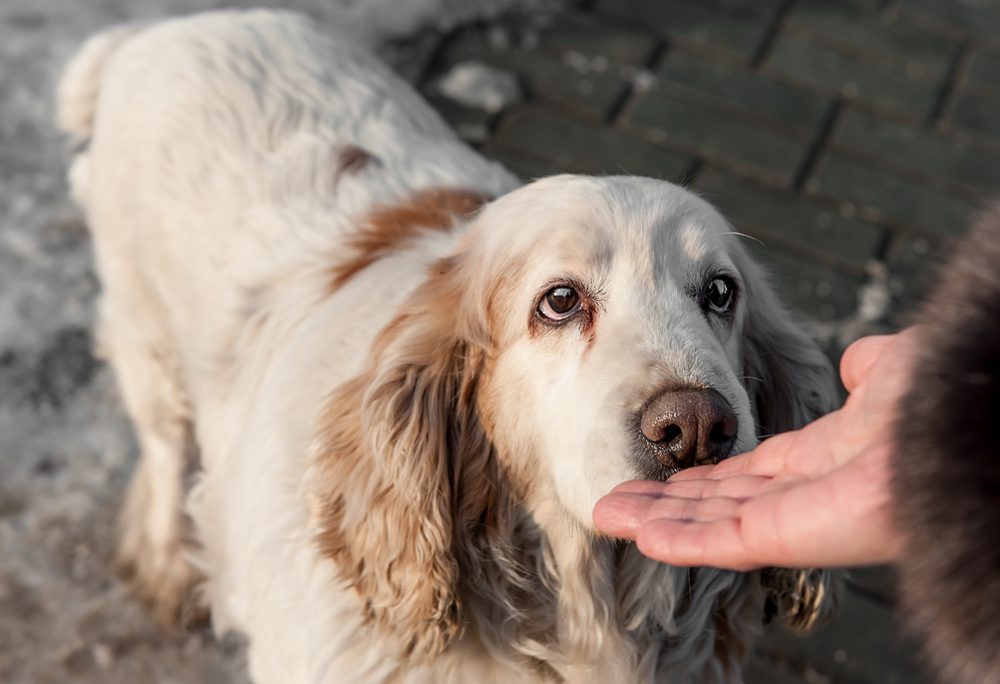
You should never rush to pet a dog. Even dog owners make the mistake of approaching unfamiliar dogs and petting them rig...
Read More
Puppy mill dogs are survivors who have endured extreme hardships in their lives. They have grown up in horrendous, unsan...
Read More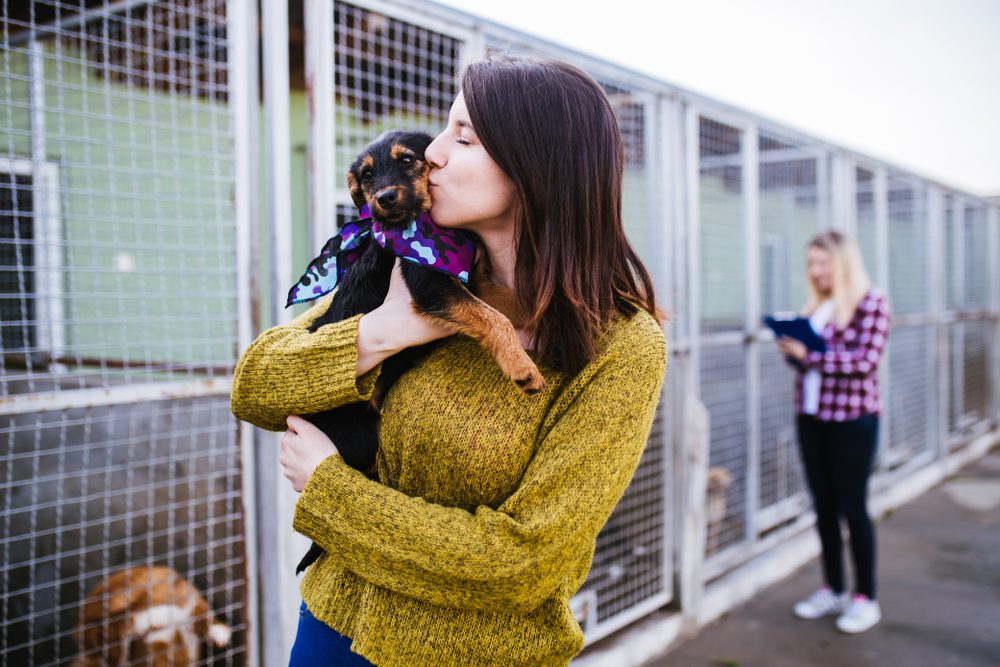
With their wagging tails and comforting presence, adopting a dog can add a unique touch to your life. It’s a heart...
Read More
Older dogs may have a few gray hairs around the edges, but that doesn’t mean they can’t make wonderful companions! T...
Read More