



























































































































































































Introducing a new puppy to your current dog is often an exciting process, and many dogs will become fast friends and eas...
Read MoreAdopt Me

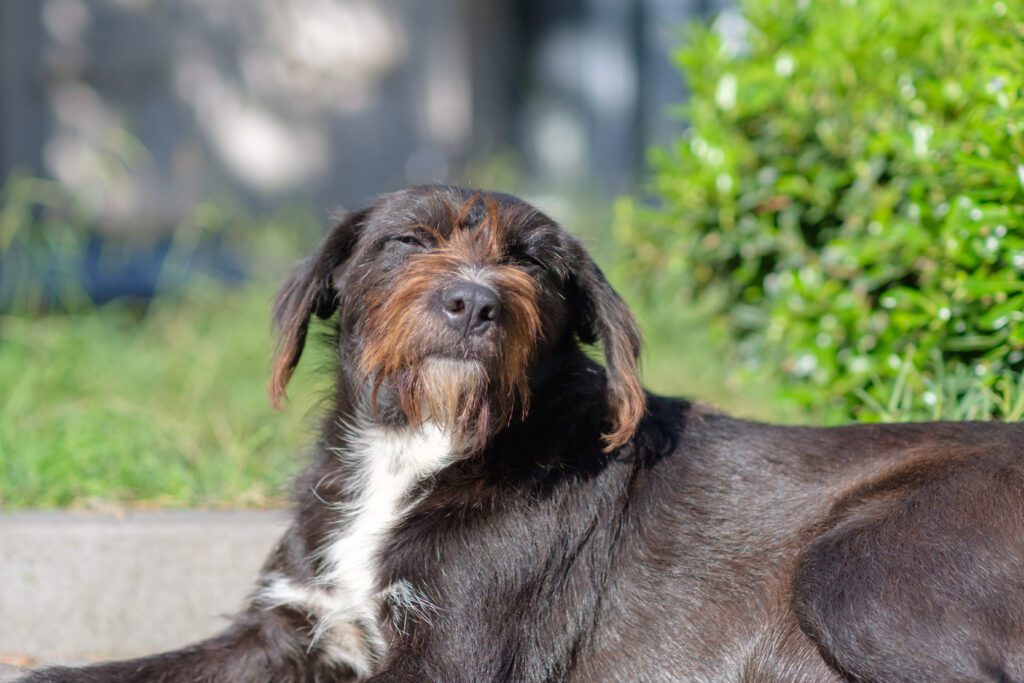

The Pudelpointer is a versatile hunting and family dog that blends keen intelligence with a cooperative, people-focused nature. This breed loves to work, loves to learn, and bonds closely with its handler. A Pudelpointer thrives with daily exercise, field-style activities, and steady structure, which makes the breed a rewarding choice for active Vermonters who want a loyal companion.
Good research protects both you and the dog. Understanding energy needs, grooming requirements, and training goals helps you make a thoughtful decision. Adoption is often the better choice because it gives a dog a second chance, provides transparency on temperament, and usually includes essential veterinary care that reduces your upfront costs.
Vermont’s climate and geography suit the Pudelpointer well. The breed’s weather-resistant coat handles cold winters and wet spring trails, and the dog’s love of water fits lakes, rivers, and marshes. The state’s forests and rolling farmland create perfect spaces for long hikes and field training. The same terrain brings challenges that you should plan for, including strong wildlife scent distractions, icy conditions in winter, and tick exposure during warm months.
You can avoid searching shelters and rescues one by one by using Dog Academy to browse adoption listings in one place. You can compare profiles, save favorites, and access educational guides and adoption checklists that clarify each step. You can also look at local animal shelters, regional rescues, and breed-specific rescue groups that serve New England. Availability changes quickly because the Pudelpointer is uncommon, so checking listings often is important.
Start by browsing profiles and reading each dog’s bio. Profiles usually include age, size, medical history, behavior notes, and lifestyle recommendations. Match the dog’s needs to your routine, your home setup, and your training goals. If you are a hunter or an active trail user, note whether the dog has field exposure or a high prey drive that will require focused recall work.
Submit an application when you find a good fit. Applications ask about housing, schedule, experience with dogs, and veterinary references. Many groups schedule a phone interview to discuss expectations and to answer your questions. Meet-and-greets follow, which allow you to observe the dog’s body language, energy level, and response to handling. Home checks are common and usually take the form of a brief in-person visit or a virtual video call to confirm safety, fencing, and space for exercise.
Approval timelines vary with demand and volunteer capacity. Straightforward applications can move in 3 to 10 days, while complex matches or puppy placements can take 2 to 3 weeks. If the right dog is outside Vermont, many rescues arrange transport, which means coordinating safe, scheduled travel by approved drivers to move dogs between locations. Transport may add time and a modest fee, and groups explain routes, handoff points, and pickup procedures in advance.
|
How Much Does It Cost to Adopt a Pudelpointer in Vermont?In Vermont, the typical adoption fee for a Pudelpointer ranges from $300 to $600. Younger dogs and puppies tend to be at the higher end of the range. Adult dogs with completed veterinary work or basic training often fall in the middle of the range. Fees reflect age, prior training, recent medical care, and regional demand for versatile sporting breeds. Most fees include spaying or neutering, vaccinations, microchipping, and veterinary exams. Some groups also include parasite screening, preventative medications, and a starter supply of food. Plan for additional costs after adoption. You should budget for a license, a properly fitted crate, a secure long line, high-quality food, and professional training support. If transport is required, the rescue will explain exact costs before you commit. |
How Should I Train a Pudelpointer?The Pudelpointer is highly intelligent and eager to work, which makes training both enjoyable and essential. Positive reinforcement builds focus, confidence, and drive. Short, frequent sessions that reward calm behavior produce faster learning than long drills. This breed shines with scent games, retrieving practice, and structured off-leash skills that teach reliable recall. Common challenges include a strong prey drive, excitement around water, and frustration if mental needs are not met. Start impulse control early with settle cues, place training, and controlled retrieves. Reinforce polite greetings and loose-leash walking so the dog can navigate towns, trails, and farmers’ markets safely. Avoid harsh corrections, which can create stress and reduce trust. Consistency, clear criteria, and timely rewards will keep your Pudelpointer engaged. For a complete plan that covers obedience, recall, impulse control, and field-friendly skills, explore Dog Academy’s online training courses. Step-by-step lessons, expert tips, and real-life practice routines help you transform natural drive into reliable manners at home and on Vermont trails. |
|
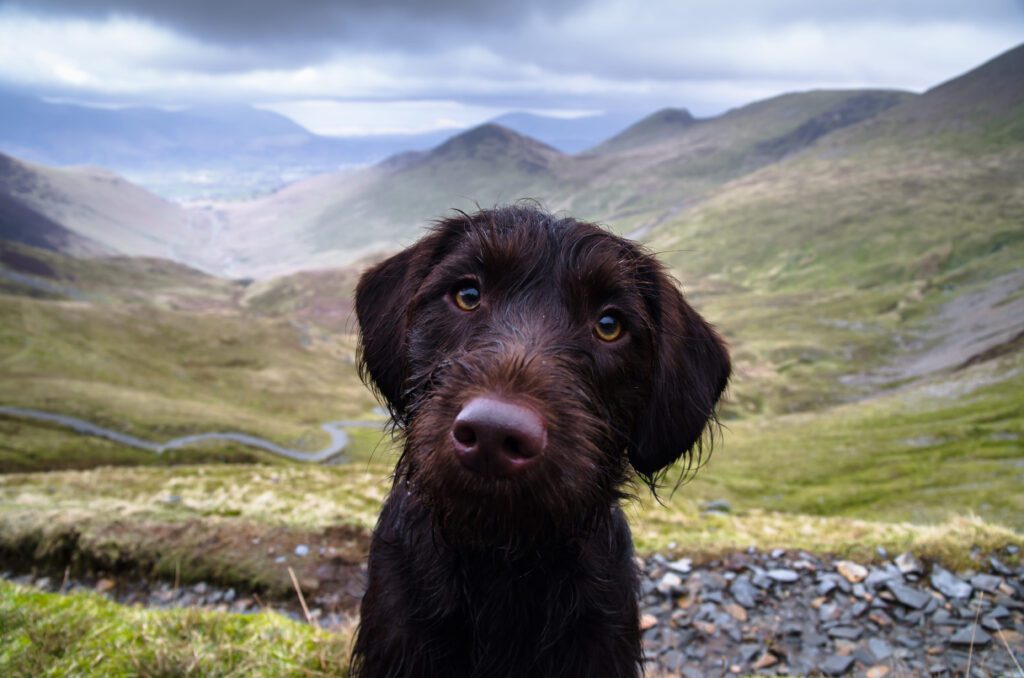
The ideal Pudelpointer adopter enjoys daily activity, values structured training, and has time for exercise and enrichment. A fenced yard is helpful, and regular outings for hiking, swimming, or field work keep the dog happy and balanced. Preparation matters. Gather supplies in advance, review safety steps for winter and tick season, and line up training support before your new dog arrives.
Take your time and trust the process. Ask detailed questions, meet more than one dog when possible, and choose the match that fits your lifestyle today and your goals for the future. With patience, clear expectations, and thoughtful training, you can adopt a Pudelpointer in Vermont and enjoy a loyal partner for years to come.

Introducing a new puppy to your current dog is often an exciting process, and many dogs will become fast friends and eas...
Read More
Rescue dogs can make great companions and can transform your home into something better. These dogs make great pets and ...
Read More
You should never rush to pet a dog. Even dog owners make the mistake of approaching unfamiliar dogs and petting them rig...
Read More
Puppy mill dogs are survivors who have endured extreme hardships in their lives. They have grown up in horrendous, unsan...
Read More
With their wagging tails and comforting presence, adopting a dog can add a unique touch to your life. It’s a heart...
Read More
Older dogs may have a few gray hairs around the edges, but that doesn’t mean they can’t make wonderful companions! T...
Read More