



























































































































































































Introducing a new puppy to your current dog is often an exciting process, and many dogs will become fast friends and eas...
Read MoreAdopt Me

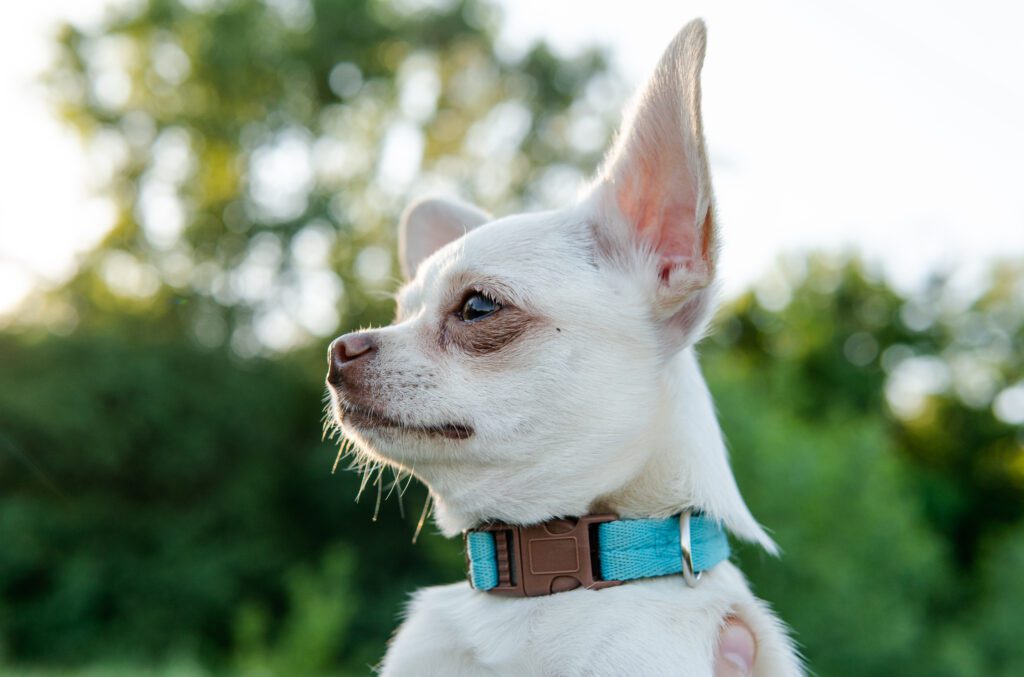


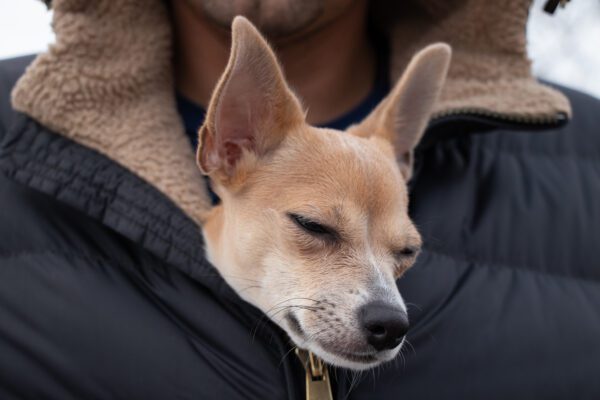
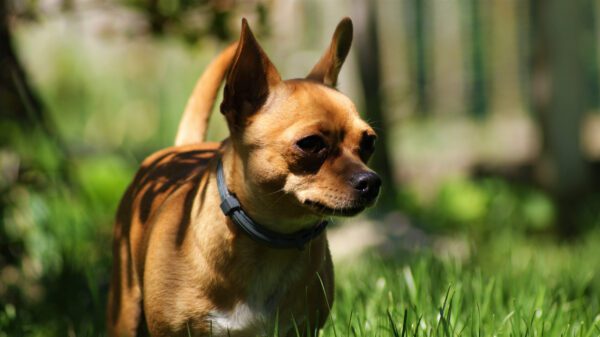
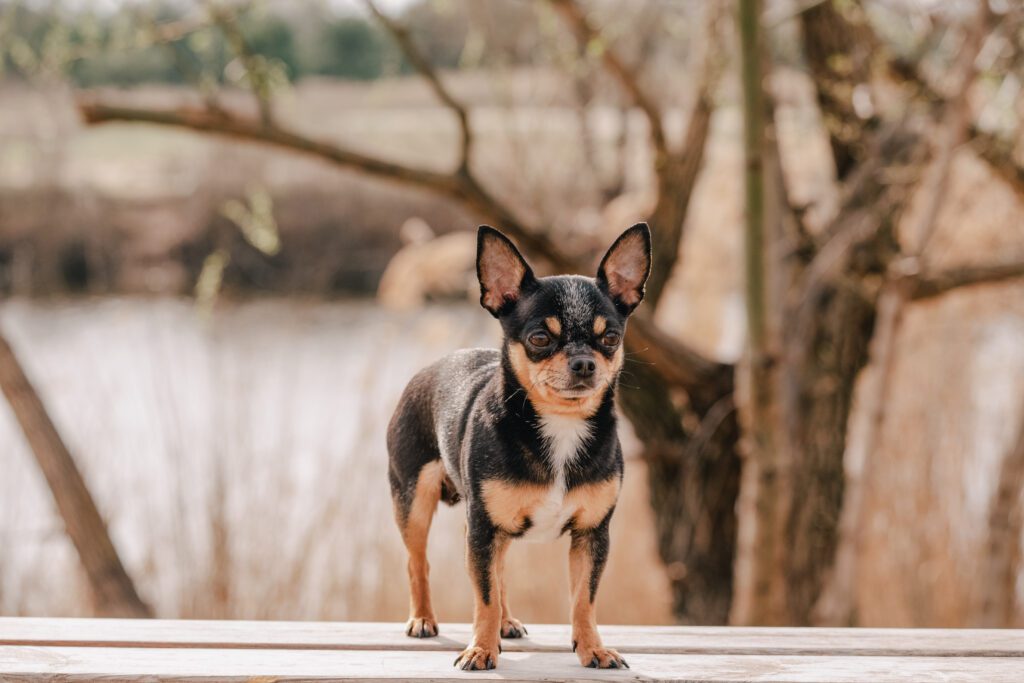
The Deer Head Chihuahua is a tiny companion with a bold spirit. This dog stays devoted to the person it trusts. It is alert, affectionate, and playful, and it enjoys curling up after short bursts of activity. The deer head variety often has a slightly longer muzzle and legs, which gives it a foxlike look. Many people love this breed for its small size, expressive eyes, and confident attitude.
Research matters before you adopt a Deer Head Chihuahua in Vermont. Adoption gives a deserving dog a new start and it supports community welfare. Adoption also helps you learn a dog’s history and temperament from people who have cared for the dog. Vermont offers a good home for this breed when owners plan for the climate. Winters are long and cold, and rural roads can stay icy. The Green Mountains and lake-effect winds make warmth a priority. This small dog needs a well-fitted sweater, short outdoor breaks, and safe indoor exercise. Apartments and small houses suit the breed, and quiet neighborhoods make training easier.
Adoption is often preferable to buying because it reduces demand for high-volume breeding and it directs resources to animal care. It also gives you access to dogs that have already been evaluated by caretakers. With the right preparation, a Deer Head Chihuahua can thrive in Vermont’s cozy living rooms and on sunny spring walks.
You can avoid searching for rescues and shelters one by one by using Dog Academy. You can browse updated adoption listings in one place, and you can use clear educational guides and adoption checklists that help you prepare. You can also look at local animal shelters, regional rescues, breed-specific rescue groups, and foster networks that post available dogs. When you browse listings, you should review age, size, location, activity level, and notes about living with children or other pets.
The process usually begins with an online application. Applications often request personal references, landlord permission if you rent, and information about your current pets. Many groups schedule a meet-and-greet after they approve your initial application. Meetings can happen at a shelter, a foster home, or a neutral public space. In Vermont’s winter, some groups use indoor meeting areas so small dogs can stay warm. Some organizations also complete a home check to confirm safe fencing, secure doors, and areas without gaps where a tiny dog could slip through.
Approval timelines vary by group. Shelters often finalize adoptions within 3 to 7 days, while foster-based rescues may need 1 to 3 weeks to complete vetting and checks. If a dog is not in Vermont, rescues sometimes arrange transport to move dogs between locations. Transport is often arranged by rescues to move dogs between states using volunteer drivers or licensed carriers, and it may require a health certificate. Transport can add time and a small fee that covers fuel and paperwork. While you wait, you can gather supplies like a crate, a warm jacket, a snug harness, and chew toys that suit a small mouth.
|
How Much Does It Cost to Adopt a Deer Head Chihuahua in Vermont?In Vermont, most adopters pay about $200 to $450 to adopt a Deer Head Chihuahua. Fees trend toward the middle of that range for healthy adults. Puppies can cost more due to high demand and extra care, while seniors may cost less to encourage placement. Costs shift with age, training, recent medical care, and how many applications a dog receives. Many fees include spaying or neutering, vaccinations, microchipping, and veterinary exams. Dental cleanings, heartworm tests, and any specialist care can increase expenses. If a rescue arranges interstate transport, the group may add a modest transport fee to cover fuel and required documents. |
How Should I Train a Deer Head Chihuahua?Deer Head Chihuahuas are bright and eager when training stays short, upbeat, and consistent. They respond best to positive reinforcement with tiny treats, a cheerful voice, and clear timing. They learn quickly when you reward calm behavior, polite greetings, and quiet moments. They can become vocal and defensive if they feel unsafe, so you should guide them with patience and structure. Common challenges include barking at noises, guarding favorite spots, and resisting house training during cold weather. You can reduce barking by rewarding silence after a single alert and by teaching a reliable focus cue. You can improve house training by setting regular meal times, using a crate that feels secure, and offering a sheltered potty area during storms. Early socialization with gentle people and calm, vaccinated dogs builds confidence and prevents reactivity. For step-by-step help that fits busy schedules, you can use Dog Academy’s online training courses, which provide clear lessons for small-breed manners, house training, and leash skills. |
|
The ideal owner for a Deer Head Chihuahua enjoys close companionship, plans daily mental games, and keeps a steady routine. Households that do well provide warm bedding, safe stairs or ramps, and careful supervision with young children. Apartment dwellers, retirees, and remote workers often find this breed a perfect match when they commit to gentle training and regular enrichment.
Preparation leads to a smooth adoption. You can review breed needs, gather winter gear, and set a training plan before the dog comes home. You can take your time, ask questions, and choose a dog whose energy and temperament fit your lifestyle. When you are ready to adopt a Deer Head Chihuahua in Vermont, you can start with Dog Academy to find current listings and to follow expert checklists from the first meet-and-greet to the first cozy night at home.

Introducing a new puppy to your current dog is often an exciting process, and many dogs will become fast friends and eas...
Read More
Rescue dogs can make great companions and can transform your home into something better. These dogs make great pets and ...
Read More
You should never rush to pet a dog. Even dog owners make the mistake of approaching unfamiliar dogs and petting them rig...
Read More
Puppy mill dogs are survivors who have endured extreme hardships in their lives. They have grown up in horrendous, unsan...
Read More
With their wagging tails and comforting presence, adopting a dog can add a unique touch to your life. It’s a heart...
Read More
Older dogs may have a few gray hairs around the edges, but that doesn’t mean they can’t make wonderful companions! T...
Read More