



























































































































































































Introducing a new puppy to your current dog is often an exciting process, and many dogs will become fast friends and eas...
Read MoreAdopt Me

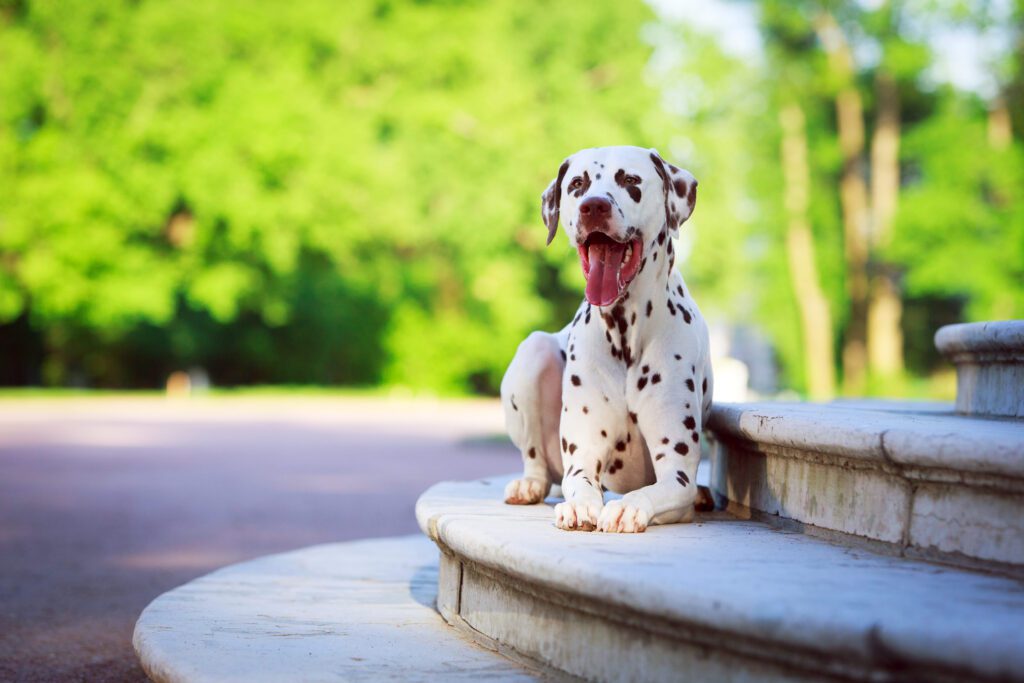
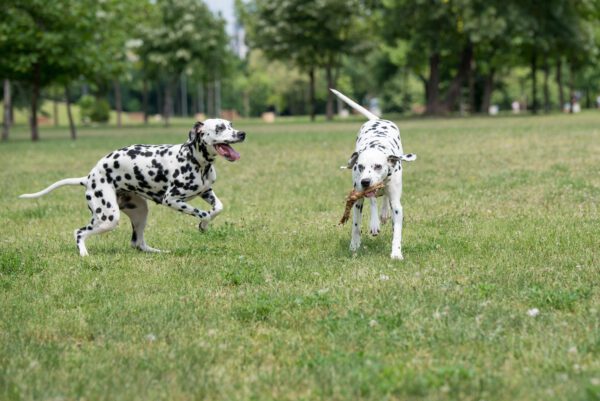
Dalmatians are energetic, athletic, and people focused. The breed pairs sharp intelligence with a playful spirit, which makes daily training and exercise feel rewarding. A Dalmatian thrives when it runs, hikes, and learns new tasks, then relaxes with family at the end of the day. The short coat sheds year round, and the breed can be sensitive, which means calm guidance and steady routines work best.
Research matters before you adopt. Prospective owners should understand common breed traits such as high endurance, strong stimulation needs, and a history of hearing loss in some lines. Many Dalmatians do well with experienced owners who enjoy structure and positive reinforcement. Adoption is a powerful choice because it gives a deserving dog a new start while also supporting the lifesaving work of shelters and rescues that evaluate health and behavior before placement.
Vermont offers a great home for an active Dalmatian when you plan for the seasons. Winters are cold with snow and ice, so a fitted winter jacket and paw protection help a short-coated dog stay comfortable. Spring can be muddy, and summers bring heat and ticks, so consistent grooming and prevention keep your dog healthy. Rural roads, forest trails, and small towns suit this athletic breed when you provide daily exercise and reliable recall. Apartment living can work if you commit to brisk walks, structured play, and mental enrichment every day.
You can skip searching rescues and shelters one by one by browsing statewide listings through Dog Academy. You can filter for location and age, read each dog’s profile, and contact the group that is caring for the dog. You can also use Dog Academy for adoption checklists and educational guides that explain paperwork, supplies, and first week routines.
Adoptable Dalmatians in Vermont are most often found through local animal shelters, regional rescues, and breed-specific rescue groups. Start by reviewing listings, then complete an application that asks about your schedule, home setup, training plans, and experience with active dogs. Applications usually request personal references and, when relevant, landlord approval to confirm pet policies.
Once your application is approved for next steps, you schedule a meet-and-greet. Bring all household members, including resident dogs, to see how everyone interacts. Some groups offer foster-to-adopt, which is a short trial where the dog lives with you before the adoption is finalized. Many organizations also complete a home check, either virtual or in person, to confirm safe containment, reliable access to outdoor relief, and space for rest and recovery.
Approval timelines vary by group and by dog. A straightforward adoption in Vermont often takes 1 to 3 weeks from application to pickup. Puppies and high-demand dogs can take longer due to higher application volume. If the right Dalmatian is outside your immediate area, rescues sometimes arrange transport to move dogs between locations. Transport is often organized with volunteer drivers or licensed carriers, and it may include a small travel fee and a health certificate issued by a veterinarian. Pickups commonly occur at preset meeting points that are easy for adopters to reach.
|
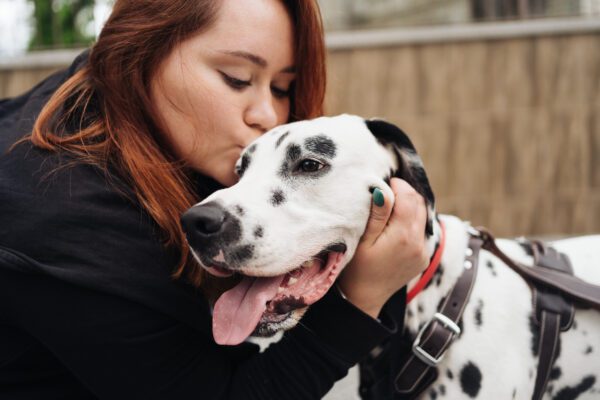
How Much Does It Cost to Adopt a Dalmatian in Vermont?In Vermont, adopters can expect to pay about $300 to $550 for most adult Dalmatians. Puppies are typically higher due to demand and pre-adoption care, and they often range from $450 to $700. Fees reflect the dog’s age, medical history, training status, and how rare the breed is in the region. Costs may be higher when extensive veterinary care or professional training has been provided before adoption. Adoption fees usually include spaying or neutering, vaccinations, microchipping, and veterinary exams. Some groups add hearing evaluations or dental cleanings when needed, which can raise the fee but reduce early costs after you bring the dog home. Transport, if used, is usually itemized separately. |
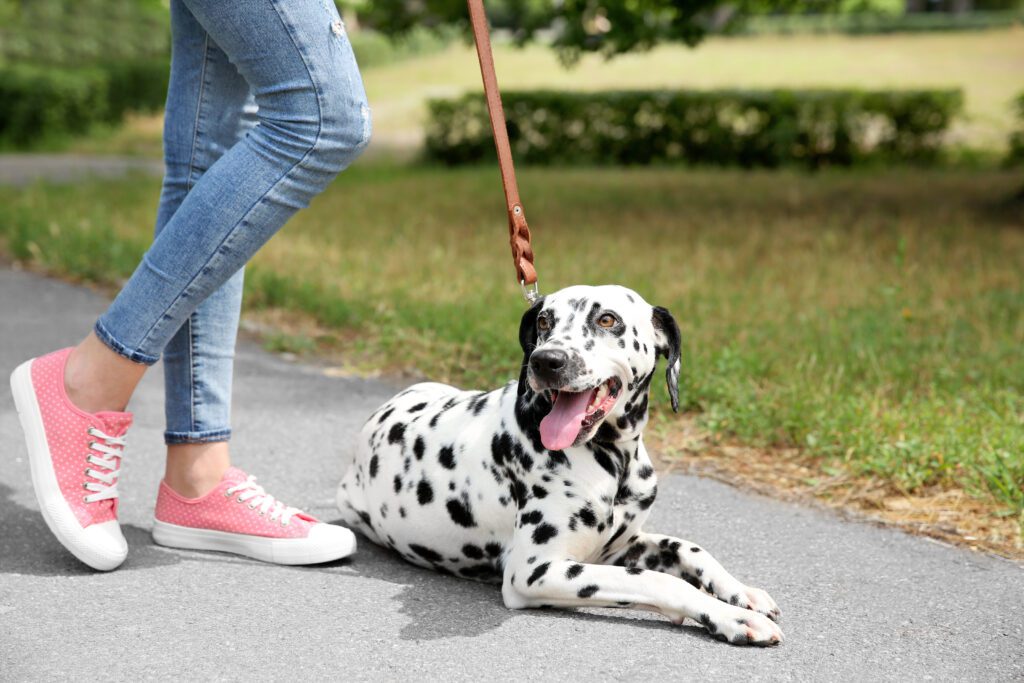
How Should I Train a Dalmatian?Dalmatians are quick learners that respond to upbeat, reward-based training. Short sessions that mix movement with problem solving keep this breed focused. Use clear markers, high-value rewards, and engaging games that channel energy into useful skills such as loose-leash walking, recall, and calm settling. Consistency prevents pushy behaviors like jumping, mouthing, or counter surfing. Positive reinforcement is essential because Dalmatians can shut down when corrections feel harsh. Socialize early and often with calm dogs, new surfaces, and friendly people. Daily exercise that totals 60 to 90 minutes, paired with mental enrichment such as scent games or food puzzles, helps reduce restlessness and nuisance barking. Hand signals and vibration cues can help if hearing is limited, and they work well for all dogs because they add clarity. For step-by-step guidance that fits busy schedules, explore Dog Academy’s online training courses. You can build obedience, manners, and leash skills with clear lessons that you can practice at home and on Vermont trails. |
|
The ideal adopter enjoys daily activity in every season and values patient, reward-based training. A Dalmatian needs time, structure, and exercise, along with simple gear for Vermont weather such as a winter jacket, reflective leash, and tick prevention recommended by a veterinarian.
Prepare your home, gather supplies, and set a plan for the first 2 weeks that includes potty breaks, crate time, and regular training. Take your time, ask questions, and choose a dog whose energy and temperament match your routine. When you are ready to adopt a Dalmatian in Vermont, start with Dog Academy listings, learn from expert guides, and move forward with confidence.

Introducing a new puppy to your current dog is often an exciting process, and many dogs will become fast friends and eas...
Read More
Rescue dogs can make great companions and can transform your home into something better. These dogs make great pets and ...
Read More
You should never rush to pet a dog. Even dog owners make the mistake of approaching unfamiliar dogs and petting them rig...
Read More
Puppy mill dogs are survivors who have endured extreme hardships in their lives. They have grown up in horrendous, unsan...
Read More
With their wagging tails and comforting presence, adopting a dog can add a unique touch to your life. It’s a heart...
Read More
Older dogs may have a few gray hairs around the edges, but that doesn’t mean they can’t make wonderful companions! T...
Read More