

























































































































































































Introducing a new puppy to your current dog is often an exciting process, and many dogs will become fast friends and eas...
Read MoreAdopt Me

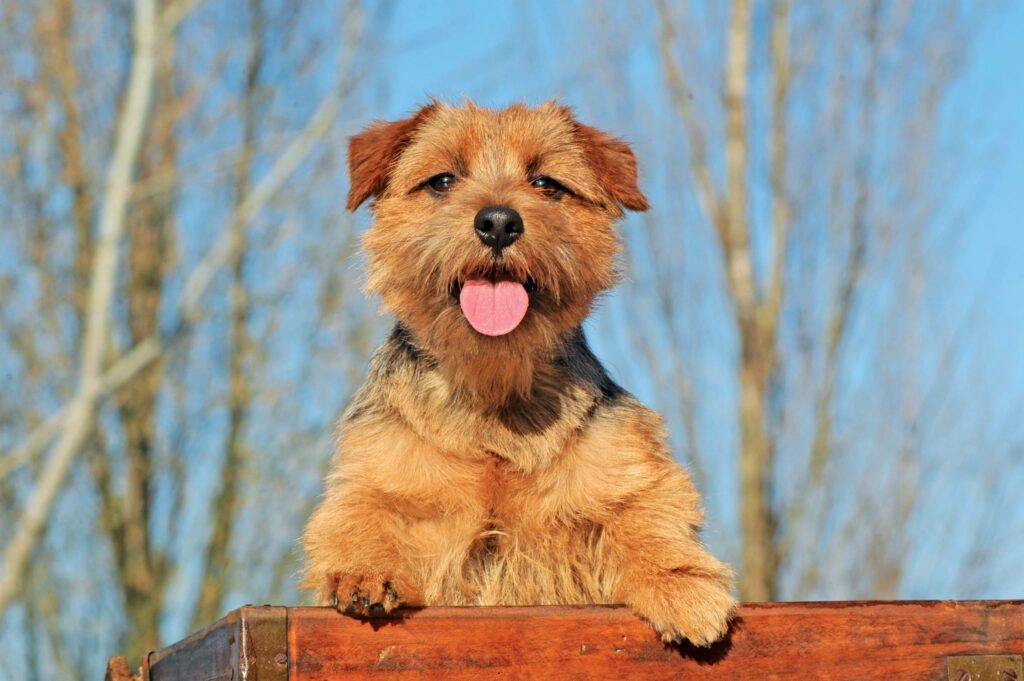
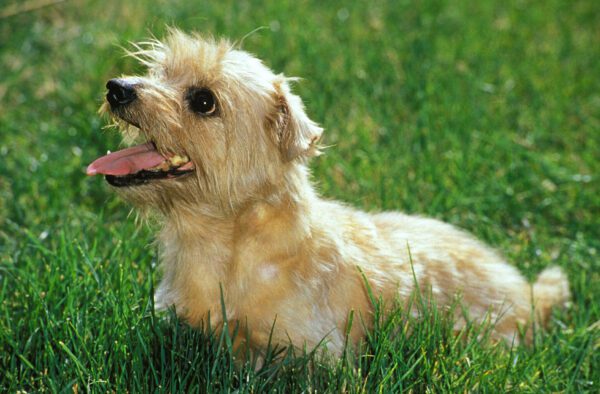
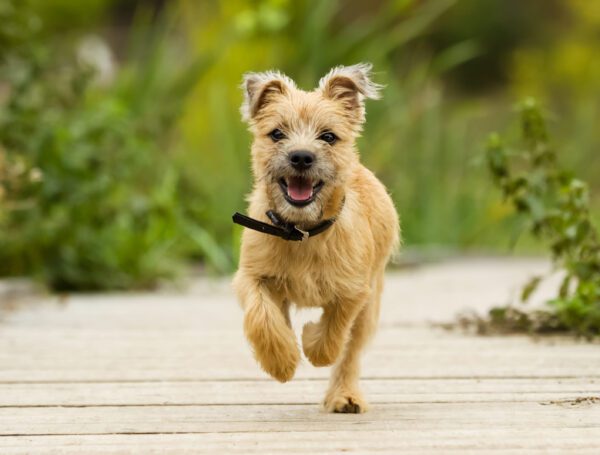
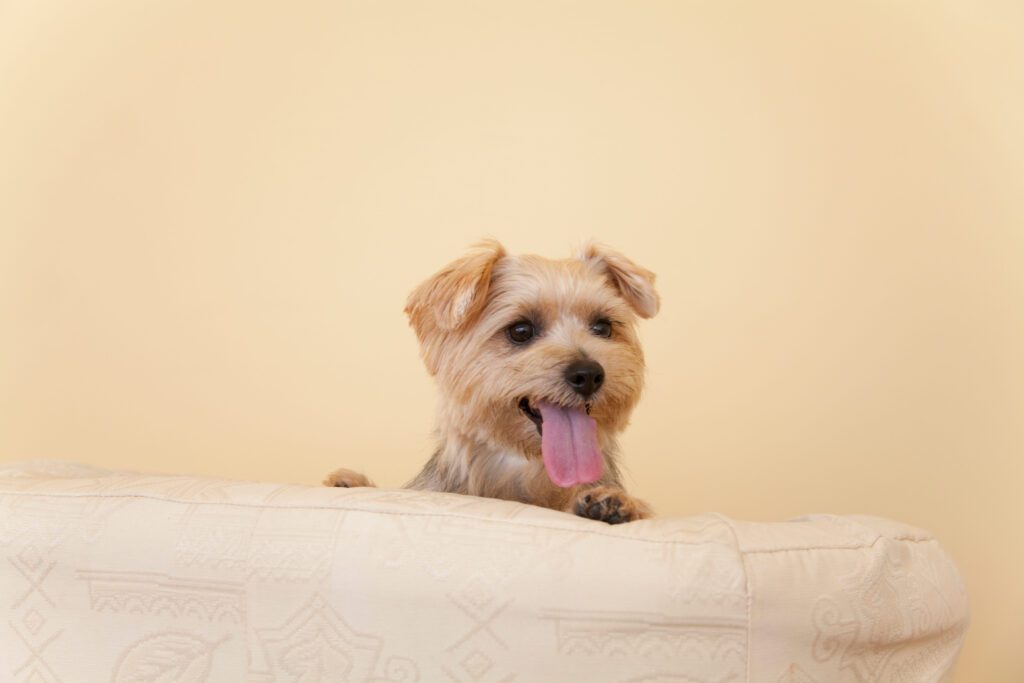
The Norfolk Terrier is a compact, confident, and affectionate dog that loves to be part of family life. This breed brings cheerful energy, sharp intelligence, and a sturdy build that handles everyday adventures. A Norfolk Terrier thrives with people who enjoy play, brisk walks, and steady routines that channel terrier curiosity in positive ways.
Careful research matters before you adopt a Norfolk Terrier in Vermont because the breed’s bold spirit, prey drive, and grooming needs require planning. Adoption is often the better path because it gives a deserving dog a home, supports lifesaving work, and usually includes essential veterinary care. Adoption can also match you with a dog whose temperament and energy level are already known.
Vermont’s climate features long, cold winters, muddy shoulder seasons, and mild summers across forested hills and rural roads. The Norfolk Terrier’s weather-resistant coat handles cool temperatures, yet this small dog still needs a warm jacket and limited exposure on frigid days. Daily enrichment is important when snow and ice reduce outdoor time. City apartments and country homes can both work in Vermont as long as the dog gets daily walks, careful tick prevention, and a secure yard or leashed outings to manage wildlife and the breed’s chase instinct.
You can skip searching rescues and shelters one by one by starting with Dog Academy. Dog Academy’s adoption listings let you browse available dogs in one place, and our educational guides and adoption checklists help you prepare each step with confidence.
To adopt a Norfolk Terrier in Vermont, look for available dogs through local animal shelters, regional rescues, breed-specific rescue groups, and foster-based networks. Purebred Norfolk Terriers appear less often than many other breeds, so patience helps. You can broaden your search to terrier mixes that share similar size, energy, and attitude while still fitting your lifestyle.
The process usually begins by browsing listings and submitting an application. Applications commonly ask about your schedule, housing details, fencing or exercise plan, current pets, and veterinary history. Many groups verify landlord approval or home ownership when required and contact personal references. Next comes a meet-and-greet to confirm compatibility, followed by a home check that may be conducted in person or by video. Approval timelines vary but often range from 1 to 3 weeks depending on volunteer availability, your responsiveness, and the dog’s needs.
Prepare thoughtful questions before your meet-and-greet. Ask about the dog’s energy level, prey drive, history with children, cats, and other dogs, and comfort with grooming and handling. Confirm house training, crate training, and any medical notes such as dental care or patella history. Clear information helps you set up the right routine on day one.
Rescues sometimes arrange transport to move dogs between states when a good match is found. Transport means the dog travels in a crate with trained volunteers or licensed carriers, often on a scheduled route that ends at a safe pickup point. Transport may add time to the process and can include a modest fee to cover fuel, health certificates, and care during travel.
|
How Much Does It Cost to Adopt a Norfolk Terrier in Vermont?In Vermont, a realistic adoption fee for a Norfolk Terrier typically ranges from $300 to $550. Younger dogs and highly in-demand small breeds tend to be at the upper end of the range, while seniors may be lower. Fees can increase when organizations provide extra medical care or professional training. Some groups add a transport surcharge of $50 to $200 when arranging out-of-state transfers to Vermont. Adoption fees usually include spaying or neutering, vaccinations, microchipping, and veterinary exams. Costs can also reflect dental cleanings, heartworm testing, flea and tick prevention, and grooming to maintain the Norfolk Terrier’s wiry coat. Age, training, medical care, and local demand all influence the final fee. |
How Should I Train a Norfolk Terrier?The Norfolk Terrier is bright and food-motivated, yet the breed shows independent terrier thinking. Positive reinforcement works best because it rewards the behaviors you want and builds trust. Keep sessions short and fun, use high-value treats and play, and train in quiet spaces before adding distractions. Focus early on reliable recall with a long line, loose-leash walking, and a solid settle on a mat for calm indoor time. Prevent unwanted chasing by practicing recall and leave-it games on every walk. Manage barking with daily mental enrichment, sniffing games, and frequent opportunities to earn rewards for quiet behavior. Support house training and crate training with a predictable schedule, frequent outings, and praise the moment the dog gets it right. For structured help, use Dog Academy’s online training courses. These step-by-step lessons cover manners, leash skills, recall, crate comfort, and enrichment routines that keep a Norfolk Terrier engaged. Indoor training games are especially valuable during Vermont winters when icy conditions limit outdoor time. |
|
The ideal adopter enjoys daily walks, patient training, and a home setup that keeps a small, spirited terrier safe and engaged. A Norfolk Terrier suits people who value consistency, provide enrichment on cold days, and commit to routine grooming to maintain a healthy coat.
Take time to prepare your space, gather supplies, and line up a first veterinary visit. Learn as much as you can about the breed, ask thorough questions, and move at a pace that feels right for you and the dog. Start your search with Dog Academy’s adoption listings and feel confident as you adopt a Norfolk Terrier in Vermont with knowledge, care, and heart.

Introducing a new puppy to your current dog is often an exciting process, and many dogs will become fast friends and eas...
Read More
Rescue dogs can make great companions and can transform your home into something better. These dogs make great pets and ...
Read More
You should never rush to pet a dog. Even dog owners make the mistake of approaching unfamiliar dogs and petting them rig...
Read More
Puppy mill dogs are survivors who have endured extreme hardships in their lives. They have grown up in horrendous, unsan...
Read More
With their wagging tails and comforting presence, adopting a dog can add a unique touch to your life. It’s a heart...
Read More
Older dogs may have a few gray hairs around the edges, but that doesn’t mean they can’t make wonderful companions! T...
Read More