



























































































































































































Introducing a new puppy to your current dog is often an exciting process, and many dogs will become fast friends and eas...
Read MoreAdopt Me


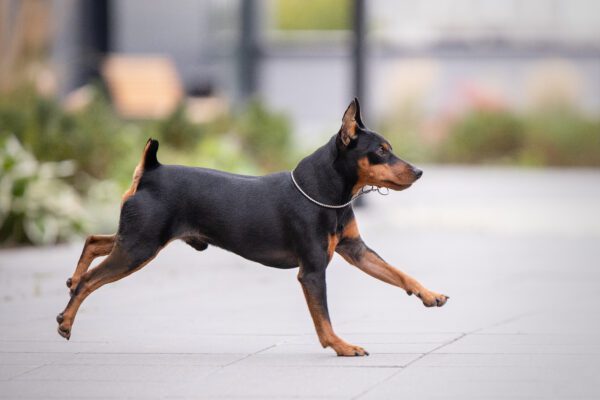
The German Pinscher is a confident, athletic, and highly intelligent companion. This medium dog offers sharp awareness, fast learning, and strong loyalty. Many families love the breed’s sleek look, spirited personality, and eagerness to stay close to their people.
Thoughtful research matters before you adopt. A German Pinscher thrives with structure, daily exercise, and steady training. Adoption gives a dog a second chance while helping you avoid the risks that come with buying from unknown sources. Adoption also lets you support responsible care and proven behavior assessment.
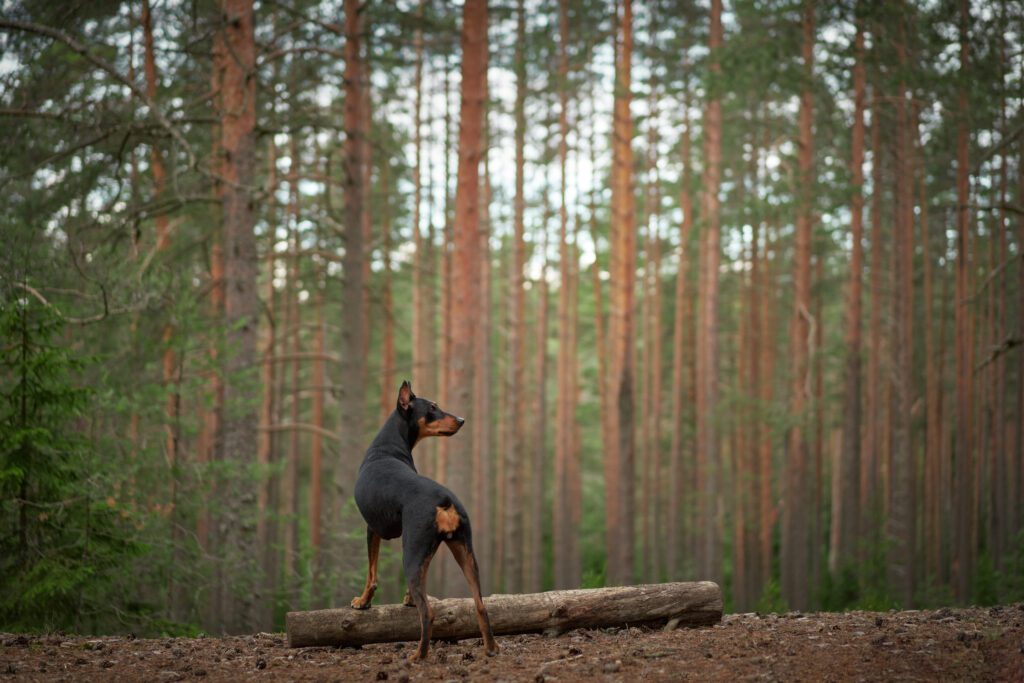
Vermont’s climate and landscape shape life with this breed. Winters are cold and snowy, and the short coat needs a warm jacket during long outings. Rural areas and forested trails offer amazing exercise, yet wildlife can trigger chasing, so a secure leash or fenced yard is important. Apartments can work in Vermont if you provide brisk walks, indoor enrichment, and consistent routines.
You can skip separate searches for shelters and rescues by browsing adoptable dogs through Dog Academy. The listings gather options in one place to save time and reduce stress. You can also use Dog Academy’s educational guides and adoption checklists to prepare your home and plan your first month. Beyond these listings, you can look at local animal shelters, regional rescues, and breed-specific rescue groups that serve New England.
Start by browsing listings and reading each bio with care. Focus on energy level, age, size, medical needs, and behavior notes. When you see a strong match, submit an application that explains your schedule, home setup, and training plan. Most groups request personal references, veterinary contacts, and proof of landlord approval when you rent. A complete and honest application helps the team place the right dog with the right family.
Next comes the meet-and-greet. You will often bring family members and any resident dogs to confirm a safe fit. Many groups complete a home check in person or by video to review safety, fencing, and your daily exercise plan. Timelines vary, but approval often takes 1 to 3 weeks after the application is complete. Final steps include the adoption contract, payment of the fee, and scheduling pickup or a trial period if the group offers one.
Some rescues arrange transport to move dogs between states when a better match is found. Transport usually relies on approved carriers or volunteer drivers who follow set routes and safety protocols. The rescue coordinates timing, confirms veterinary paperwork, and explains any additional transport fee so you can plan your pickup day with confidence.
|
How Much Does It Cost to Adopt a German Pinscher in Vermont?Most Vermont shelters and rescues place German Pinschers for $300 to $550. The fee reflects age, training history, recent medical care, and local demand for the breed. The total often includes spaying or neutering, vaccinations, microchipping, and veterinary exams. Many groups also provide a heartworm test, flea and tick prevention, and a behavior evaluation that helps you start on the right track. Puppies usually cost more than adults because they need more veterinary care and demand is high. Well-trained adults may be priced at the upper end due to proven manners and readiness for family life. Fees can be slightly lower at general shelters and slightly higher at breed-focused groups that cover specialized medical costs or longer stays. Transport, if used, may add a modest and clearly itemized charge. |
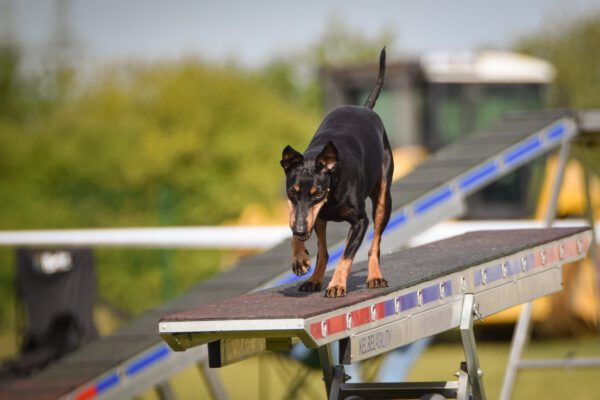
How Should I Train a German Pinscher?The German Pinscher is bright, curious, and quick to solve problems. That talent makes training rewarding when you use calm structure and positive reinforcement. Many owners see big gains when they focus on markers, food rewards, play, and short sessions that end with success. Early goals include name response, recall, loose leash walking, polite greetings, and solid crate comfort. The breed can be headstrong and energetic, so channel that drive with daily mental work. Use scent games, puzzle feeders, and quick obedience drills to build focus. Prevent unwanted chasing by teaching strong impulse control and a rock-solid recall. Socialize with friendly, stable dogs and calm people to shape confident behavior. For step-by-step guidance at home, explore Dog Academy’s online training courses, which cover foundations, impulse control, urban manners, and advanced skills for active dogs. |
|
The ideal Vermont home for a German Pinscher provides daily exercise, clear rules, and kind leadership. Active adults and families with older children do well when they plan structured walks, purposeful training, and regular mental enrichment. Prepare your home, gather supplies, choose a veterinarian, and map out your first month of routines. Take your time, ask questions, and use trusted resources so you can adopt a confident German Pinscher in Vermont and enjoy a lasting match.

Introducing a new puppy to your current dog is often an exciting process, and many dogs will become fast friends and eas...
Read More
Rescue dogs can make great companions and can transform your home into something better. These dogs make great pets and ...
Read More
You should never rush to pet a dog. Even dog owners make the mistake of approaching unfamiliar dogs and petting them rig...
Read More
Puppy mill dogs are survivors who have endured extreme hardships in their lives. They have grown up in horrendous, unsan...
Read More
With their wagging tails and comforting presence, adopting a dog can add a unique touch to your life. It’s a heart...
Read More
Older dogs may have a few gray hairs around the edges, but that doesn’t mean they can’t make wonderful companions! T...
Read More