


Introducing a new puppy to your current dog is often an exciting process, and many dogs will become fast friends and eas...
Read MoreAdopt Me



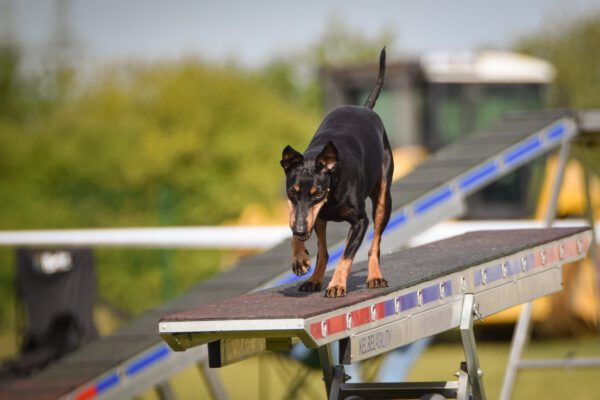
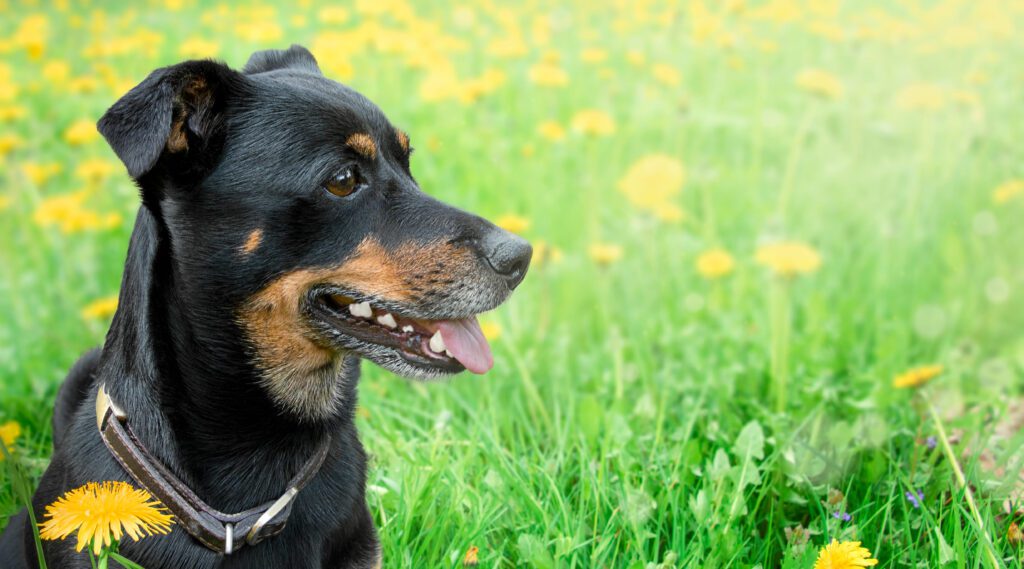
The German Pinscher is an athletic, confident, and devoted companion. This medium-sized breed is alert without being nervous and playful without being chaotic. Many families love the balance of courage and charm, along with a short coat that is easy to maintain. If you want a sharp, loyal dog who enjoys activity and close partnership, a German Pinscher can be a wonderful match.
Adopting this breed usually starts with research and a well-prepared application. You will contact shelters, all-breed rescues, and breed-specific organizations. You will likely complete an application, provide references, and schedule a home check or virtual walkthrough. Meet and greet sessions help ensure a good fit for the dog and your household. You can browse curated adoption listings on Dog Academy. Dog Academy gathers reputable postings to make it easier to find available German Pinscher dogs.
Finding a German Pinscher for adoption can take patience. The breed is not common in most shelters, and many dogs enter breed-focused rescues that match them with experienced homes. You may see waiting lists, transport coordination, or foster-to-adopt trials. Staying flexible about age, color, or distance can help. Submitting a thoughtful application and responding quickly to rescue coordinators will improve your chances.
Typical adoption fees for a German Pinscher fall around $250 to $550. The exact fee depends on age, medical history, and what the rescue includes in vetting. Most fees reflect spay or neuter, core vaccinations, microchipping, and any needed treatments. Some breed rescues also invest in training and behavior work, which can raise the fee. This range is a fair estimate for a healthy, adoptable German Pinscher in the rescue system.
Expect an adjustment period during the first 2 to 4 weeks. Your dog may pace, vocalize, or test boundaries as they learn new routines. Keep schedules consistent and limit freedom at first. Use a crate or a safe room, set clear house rules, and reward calm choices. The German Pinscher is intelligent and lively. Daily structure reduces stress and builds trust.
This breed needs meaningful exercise and mental work. Plan on 60 to 90 minutes of activity split across the day. Brisk walks, jogs, structured play, and scent games are ideal. Short, focused training sessions challenge the mind and prevent boredom. The coat is short and smooth. Brush weekly, trim nails every 2 to 4 weeks, and clean ears as needed. Feed a balanced diet guided by your veterinarian. Keep a lean body condition since the breed is athletic and benefits from joint-friendly habits.
Training should be reward-based and consistent. The German Pinscher learns fast but can be independent. Focus on engagement, impulse control, recall, loose leash skills, and calm greetings. Reinforce desired behaviors with food, toys, and praise. Avoid harsh corrections. Clear, upbeat communication builds reliability and confidence. For expert structure, use Dog Academy’s online and in-person training. Programs are designed by professionals who understand this breed’s drive and sensitivity and can guide you from foundation skills to advanced manners.
|
Is It a Good Idea to Adopt a German Pinscher As Your First Dog?It can be, if you are ready to learn and stay consistent. The German Pinscher has high energy and strong working instincts. Most need firm but fair leadership, daily exercise, and regular mental challenges. Without this, they can become vocal, mouthy, or restless. Physical handling is manageable for most adults since the breed averages 25 to 45 pounds, though the dog’s strength and speed can surprise new owners. Training is not difficult when you use rewards and structure, but it does require commitment. First-time owners who follow a plan and set clear boundaries often do well. Dog Academy training can help you build skills step by step and avoid common pitfalls. |
Adopt the Right German Pinscher for YouTake time to learn the breed, prepare your home, and set up support before you bring a dog home. Match your lifestyle to the dog’s energy level and temperament. Ask about history, training, and health, and be honest about your goals. When you are ready, curated listings from Dog Academy help you find a suitable German Pinscher, and expert guidance ensures a smooth transition. With the right preparation and ongoing training, this bold and bright companion can thrive by your side. Dog Academy stands ready with adoption resources, self-paced courses, and professional coaching so you and your German Pinscher succeed for the long term. |
|

Introducing a new puppy to your current dog is often an exciting process, and many dogs will become fast friends and eas...
Read More
Rescue dogs can make great companions and can transform your home into something better. These dogs make great pets and ...
Read More
You should never rush to pet a dog. Even dog owners make the mistake of approaching unfamiliar dogs and petting them rig...
Read More
Puppy mill dogs are survivors who have endured extreme hardships in their lives. They have grown up in horrendous, unsan...
Read More
With their wagging tails and comforting presence, adopting a dog can add a unique touch to your life. It’s a heart...
Read More
Older dogs may have a few gray hairs around the edges, but that doesn’t mean they can’t make wonderful companions! T...
Read More