German Pinscher: Your Complete Guide
The German pinscher is a rare medium-sized breed famous for their confident, lively disposition. Initially tasked with guardian work and hunting vermin on farms, they’re also protective, packed with plenty of energy, and have an alert nature that very few breeds can compete with.
The German pinscher’s appearance is just as distinctive as their personality. They have an agile build and sleek coat that usually comes in a black and tan color combination. Their expression is also sharp, conveying their lineage as a resilient working dog.
The German pinscher has plenty of wonderful traits, but they aren’t the right fit for every home and lifestyle. To help you decide whether this pup is the right companion for your family, we’ll cover the German pinscher’s personality and care requirements below
Table of Contents
Quick Look at the German Pinscher
Below is a quick glance at this special breed in terms of their physical characteristics, lifespan, temperament and grooming needs.
| Weight/Height | 17 to 20 inches tall, weighing between 25 and 45 pounds |
| Coat Type | Smooth, short coat |
| Grooming Needs |  |
| Shedding |  |
| Temperament | Intelligent, confident, brave, and alert |
| Good With Kids | |
| Good With Other Animals | |
| Intelligence |  |
| Easy to Train |  |
| Energy Level | |
| Barking Habits | |
| Lifespan | 12 to 14 years |
What Is the History of German Pinschers?
The German pinscher’s origins can be traced back to 19th-century Germany, where they were initially developed to be a working stable dog. They were tasked with protecting farmers, guarding livestock, and even hunting vermin on the farms.
While the German pinscher almost faced extinction after the world wars, the breed was saved thanks to the efforts of breed enthusiast, Werner Jung. Through careful selective breeding over the years, he was able to revive the breed. It is thought that virtually all modern German pinschers are descendants of Jung’s dogs.
German pinschers are still considered endangered because of their small population numbers throughout the world. However, dedicated breeders are still working today to bring up their numbers and spread awareness of these faithful, loving dogs.
The German pinscher was officially recognized by the American Kennel Club (AKC) in 2003. While they are often categorized together with other pinscher breeds (like the Doberman), they’re actually more closely related to the schnauzer and share very similar traits. The main difference between the German pinscher and schnauzer is their coat. The schnauzer has a longer, thicker, and more wiry outer coat, while the German pinscher has a short coat.
What Do German Pinschers Look Like?




The German pinscher is a medium-sized dog with an athletic, streamlined build, short coat, and bright expression. They also have a strong, wedge-shaped head and elegantly arched neck. These traits are a hallmark of their stable dog lineage and contribute to their overall powerful, imposing appearance.
German pinschers have short, sleek coats that come in various colors, including black, blue, fawn, and red. It is common for German pinschers to have red and tan markings, particularly on their muzzles and chests.
What Size Is a German Pinscher?
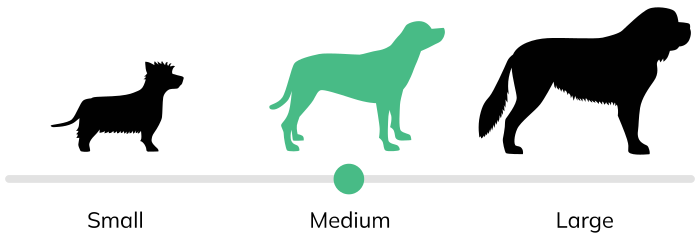
The German pinscher is a medium-sized dog who stands 17 to 20 inches tall at the shoulders. They usually weigh between 25 and 45 pounds in adulthood, though their exact size will depend on their lifestyle, health, diet, and lineage. Males are also often slightly larger than females.
The German pinscher’s size is the result of careful selective breeding. They’re small and agile enough to navigate tight spaces and catch out vermin, but large enough to still effectively deter threats.
What Is a German Pinscher’s Coat Type and Length?
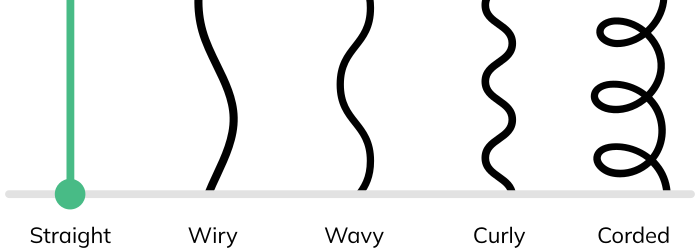
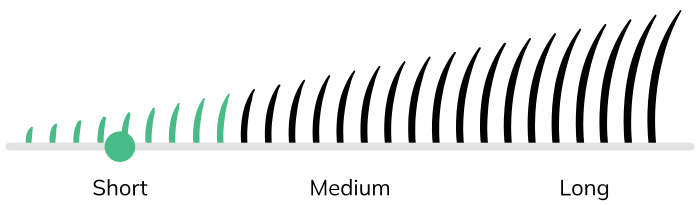
The German pinscher’s most defining characteristic is their short single coat, which is smooth in texture and has a sleek, glossy look. Their fur also lies close to their body and accentuates their muscles.
What Is a German Pinscher’s Temperament?
The German pinscher is resilient, alert, and protective, and they’re always eager to put their brain and muscles to use. However, don’t let this mislead you into thinking they aren’t affectionate. They form strong bonds and will go to great lengths to please their loved ones, whether that’s performing tricks or showering them in endless cuddles.
German pinschers are fiercely loyal and confident dogs, though they can be suspicious of strangers. They’ll need consistent socialization training throughout their lives to help them feel at ease when meeting unfamiliar people. Their high prey drives will also need to be carefully managed with close supervision and training.
Are German Pinschers Good With Kids?
The German pinscher can be a great companion for kids, as they’ll see them as their family and do all they can to protect them. Their energetic, spritely nature also means they can match up to kids’ exuberance and join in on any games.
However, the German pinscher isn’t the best choice for young children. While they are generally patient, they aren’t as tolerant as other breeds and need to be handled with care and respect. They can also get overexcited during play and may accidentally knock over toddlers.
Are German Pinschers Good With Other Animals?
German pinschers aren’t typically the best choice for multi-pet households. They are demanding dogs due to their high energy levels, and often need your undivided attention throughout the day to thrive. They can also be naturally wary around other dogs, particularly if they haven’t been raised together from a young age.
You should also be mindful that German pinschers have high prey drives. They are likely to chase after small pets like rabbits, hamsters, and cats. While training and socialization can help manage this to an extent, it is ultimately a part of who they are and can’t be eliminated entirely.
Are German Pinschers Aggressive?
The German pinscher isn’t an inherently aggressive dog. They’re affectionate, eager to please, and are nurturing with those they form bonds with. While they can be standoffish around unfamiliar people, this isn’t likely to ever lead to aggression if they’re well-trained and socialized.
If you are concerned about your German pinscher’s behavior, it’s important to tackle this urgently before it escalates further. Consider enlisting the help of a professional dog trainer, or alternatively, invest in a reputable online dog training program. You should also schedule an appointment with a veterinarian, as aggressive tendencies can be a symptom of an underlying health concern, particularly if accompanied by other symptoms like lethargy and appetite loss.
Do German Pinschers Bark?
Although vocalness can vary from pup to pup, German pinschers do tend to be vocal dogs and aren’t the best fit for homes with strict noise restrictions. They often bark to alert their owners to any perceived threats or potential dangers. They also make a lot of noise when they’re excited during play.
Are German Pinschers Affectionate?
The German pinscher may be aloof around strangers, but they’re extremely affectionate with the people they bond closest with. You can expect them to greet you after a long day with plenty of licks, cuddles, and tail wags. They will also show their affection through their strong protective instincts and unwavering loyalty.
Are German Pinschers Intelligent?

The German pinscher is one of the smartest dog breeds in the world, which isn’t much of a surprise, considering they have been used for a wide range of work over the years. They are adept at problem-solving, alert to their surroundings, and can often sense when something isn’t right long before their owner can.
Are German Pinschers Energetic?
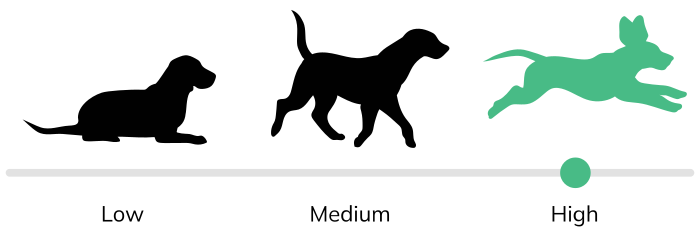
German pinschers aren’t just packed with brainpower; they’re also packed with energy and need a lot of exercise each day to stay happy and fit. If you’re considering adopting the German pinscher, you’ll need to be prepared to take them out for at least an hour of vigorous exercise each day, split across long walks, engaging play, and dog sports like agility.
Are German Pinschers Easy to Train?
The German pinscher is easy to train if they’re motivated in the right way. They’re eager to please, intelligent, and work driven, and they will happily (and easily) pick up complex commands and advanced tricks. They can even make a great candidate for agility training as they also have the stamina and athletic physique for it.
The best way to keep your German pinscher engaged in their training sessions is with positive reinforcement techniques. These measures harness your German pinscher’s people-oriented nature and use rewards like praise and treats to encourage them. Never use harsh corrections on your German pinscher, as this can break their trust in you and cause them to resist training. It can even lead them to become fearful, anxious, and aggressive.
Are German Pinschers Good Watchdogs?
The German pinscher can make a phenomenal watchdog — after all, they were quite literally bred for this very purpose! They’re extremely alert, brave, and protective, and they will instinctively put themselves between you and a potential threat. They are also sure to bark to let you know of any dangers.
Are German Pinschers Good Service Dogs?
The German pinscher is intelligent and work-driven, so they can make a fantastic service dog depending on the tasks you require of them. They’ll particularly shine at tasks that make use of their alert nature, such as room searches, finding items, and medication alerts.
That said, it’s important to meet the German pinscher in person and assess their temperament carefully before considering them for service work. German pinschers do tend to be vigilant and may struggle to accompany you in public spaces, which can rule them out from a lot of service dog work.
Even if you don’t consider this breed for service work, they can still support you through other means. German pinschers can make excellent emotional support animals, for instance, as they’re affectionate and can help their loved ones feel safe and protected.
How to Care for a German Pinscher?
The German pinscher is a high-maintenance dog due to their energy level, protective instincts, and strong prey drive. They fare best with an experienced owner who can see these qualities as rewarding challenges rather than “drawbacks.”
They need plenty of exercise and training throughout the day, as well as opportunities to play and work out their brain. They also benefit from consistent socialization to ensure their vigilant side doesn’t overwhelm them and manifest as anxiety. Below, we’ll touch more on the German pinscher’s care needs and what to expect to ensure you’re informed.
Do You Need to Groom a German Pinscher?

While the German pinscher is high maintenance in many aspects, their coat isn’t one of them. Their short, straight fur isn’t particularly prone to matting or tangles, and it doesn’t pick up dirt and debris either. You’ll only need to give them a good brush once or twice a week to keep their fur looking its best.
German pinschers typically don’t require professional grooming trips. However, you’ll still want to wash them every six to eight weeks, clean their ears regularly, and trim their nails if they become too long and cause discomfort.
Do German Pinschers Shed?
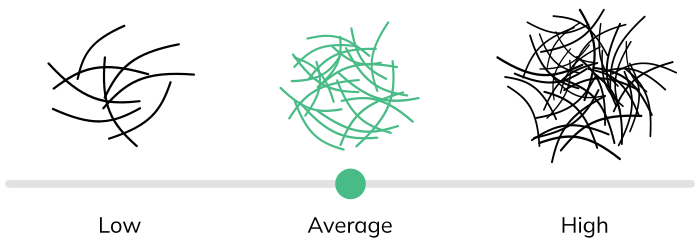
The German pinscher sheds a moderate amount throughout the year, with periods of slightly heavier shedding during seasonal changes. While they aren’t considered hypoallergenic, their fur is rather fine and won’t be too noticeable on your clothes.
Keeping on top of your German pinscher’s grooming routine will also help to prevent their fluff from spreading everywhere around your home.
What Health Problems Do German Pinschers Have?
German pinschers are healthy and robust dogs who tend to lead long lives. However, they are susceptible to certain health conditions, including:
- Hip dysplasia: When the German pinscher’s hip joint doesn’t form correctly, resulting in stiffness, pain, lameness, and a hopping gait. Hip dysplasia can often be managed with medication and lifestyle changes, though severe cases may require surgery.
- Von Willebrand disease (vWD): An inherited bleeding disorder caused by a deficiency in von Willebrand factor protein (clotting proteins that affect the blood). The main symptom is excessive, uncontrollable bleeding, though other signs to watch out for include skin bruising and bleeding from the gums. Some dogs may also have blood in their urine or feces. Unfortunately, vWD cannot be cured, and treatment usually involves blood transfusions. However, the condition can be screened for.
- Cataracts: A clouding of the German pinscher’s eye lens. Cataracts can cause vision impairments, though they can usually be removed with surgery.
If you’re looking to purchase a German pinscher puppy, you should always work with a responsible breeder who screens their breeding stock for these common genetic conditions. You should also schedule routine vet appointments to ensure any health concerns are identified early.
How Long Do German Pinschers Live?
The German pinscher’s lifespan reflects their robust nature. They generally live for 12 to 14 years with proper care and good breeding. That said, a lot of factors can influence how long the German pinscher lives for, including their lifestyle and diet.
You can help your German pinscher stay healthy for years to come by exercising them daily and ensuring their nutritional needs are met (more on this below).
What Should a German Pinscher Eat?
The German pinscher should be fed a diet that supports their high energy level, growth stage, and athletic build. It’s important to speak to your veterinarian for specific dietary guidance, as every dog’s nutritional needs will be unique.
However, you should generally look for foods that contain high-quality, lean protein sources and a good blend of vitamins, minerals, and omega fatty acids. Avoid cheap, overly-processed dog foods, as they’re often overloaded with artificial flavorings and unnecessary fillers.
Most German pinschers should be fed around 1 to 2.5 cups of food per day depending on their size and lifestyle, divided into two separate meals. You should also ensure the food is palatable for your German pinscher; some dogs may prefer certain flavors or textures over others.
Is a German Pinscher the Right Dog for Me?
The German pinscher has an affectionate, loyal, and protective temperament that can allow them to get along with practically anyone. However, they were initially developed for ratting and watchdog purposes. This can make them more challenging to care for than other breeds. They require a great deal of training, socialization, and exercise to thrive and for their lovable personality traits to shine through.
The best owner for the German pinscher is someone who has previous experience with working breeds, and also has the means to satisfy all their care requirements. They will be happiest with an active family who can match their energy and give them a job to do, whether that’s protecting the home or competing in agility.
With a family who can give them the lifestyle and care they need to flourish, the German pinscher will truly make the most loving friend you could imagine.