



























































































































































































Introducing a new puppy to your current dog is often an exciting process, and many dogs will become fast friends and eas...
Read MoreAdopt Me

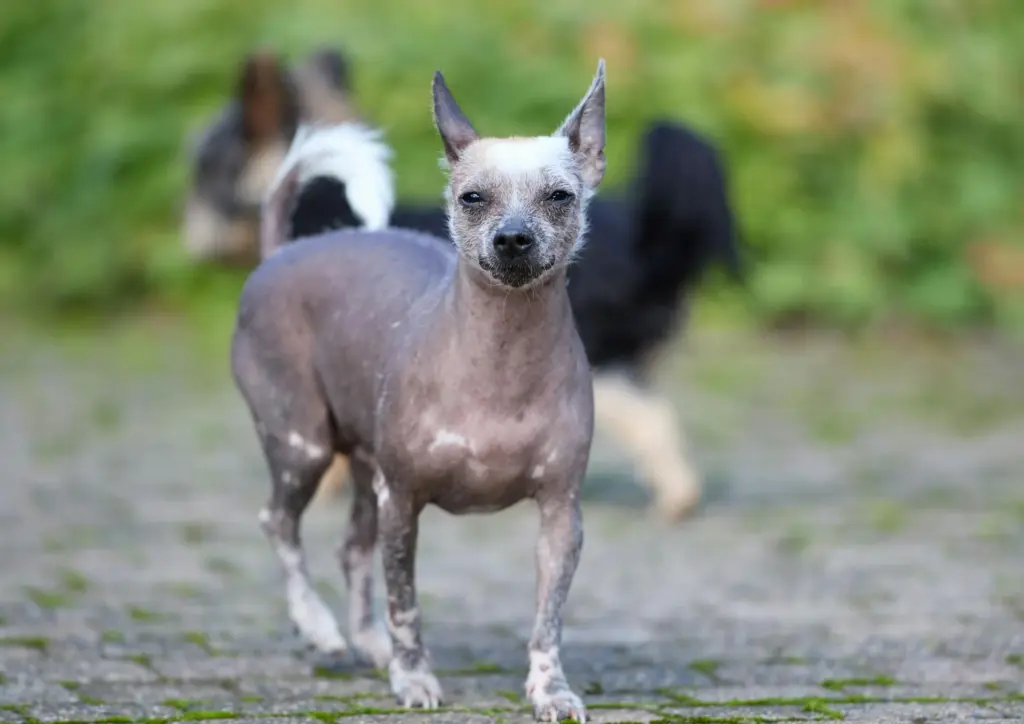
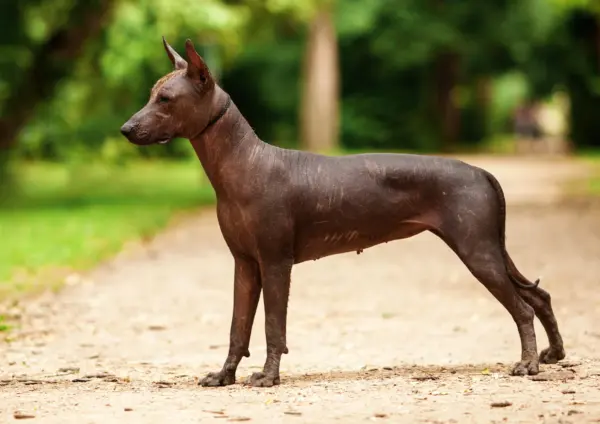
The Xoloitzcuintli is calm, intelligent, and deeply loyal. Many owners love the breed’s quiet confidence and strong bond with family. Hairless and coated varieties exist, but both share a thoughtful nature and a steady temperament that fits a home seeking a devoted companion. Careful research matters because Xolos are sensitive dogs that do best with clear routines and kind handling.
Adoption helps a dog in need and supports the mission of shelters and rescues that invest in health and behavior care. Choosing to adopt a Xoloitzcuintli also gives you transparency about temperament notes gathered in foster or shelter settings. You can meet a dog, learn its habits, and receive guidance from adoption counselors who want each placement to last.
Vermont offers outdoor adventure with forests, hills, and snowy winters. A Xolo can thrive here with the right plan. Hairless Xolos need winter layers and protection from road salt, while coated Xolos still need warmth in deep cold. The state’s quiet towns and active trail culture suit an owner who enjoys daily walks and calm evenings at home. Winters are long, so plan for indoor enrichment and safe winter gear. Summers can be sunny, so hairless dogs also need shade and dog-safe sunscreen during peak hours.
You can avoid searching shelters and rescues separately by using centralized listings. You can browse adoptable Xoloitzcuintlis in one place through Dog Academy. You can filter by age, size, and location, then follow the links to start an application. Dog Academy also offers educational guides and adoption checklists that help you prepare your home and your routine.
Adoptable Xolos may appear at local animal shelters, regional rescues, and breed-specific rescue groups. Availability changes quickly because the breed is rare. If you do not see a match today, you can set alerts and check back weekly. Some regional rescues work across several states. Transport is often arranged by rescues to move dogs between locations when a suitable foster home or adopter is found.
The process usually starts with browsing listings, reading each dog’s profile, and submitting a detailed application. The application typically covers your experience, your schedule, your housing, and your veterinary plan. An adoption counselor reviews your information and may request a virtual or in-person home check to confirm safe fencing, secure doors, and a quiet space for decompression.
Next come meet-and-greets, which can occur at a shelter, a foster home, or a neutral public space. Staff or volunteers observe how the dog responds and answer questions about routines, handling, and medical needs. Approval timelines in Vermont often range from a few days to 2 weeks, depending on reference checks, home checks, and scheduling. Many groups require a signed contract that outlines care standards and return policies designed to protect the dog for life.
|
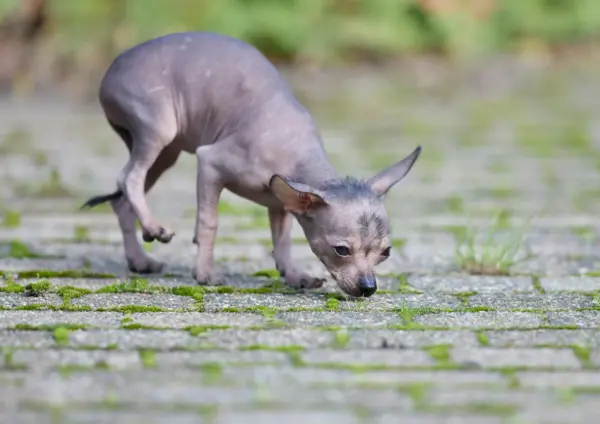
How Much Does It Cost to Adopt a Xoloitzcuintli in Vermont?In Vermont, a realistic adoption fee for a Xoloitzcuintli is typically $350 to $600. The range reflects the breed’s rarity, the cost of care in this region, and the services included. Fees often cover spaying or neutering, vaccinations, microchipping, and veterinary exams. Costs can be higher for puppies due to boosters and training support, and they can be higher for dogs that received dermatology care, dental cleanings, or specialized diagnostics. Age, training level, medical history, and demand all influence fees. A well-socialized adult with current preventive care often sits near the middle of the range. A puppy or a dog with extensive recent veterinary work may sit near the top. Many shelters and rescues provide starter supplies or post-adoption guidance, which adds value and supports a smooth transition. |
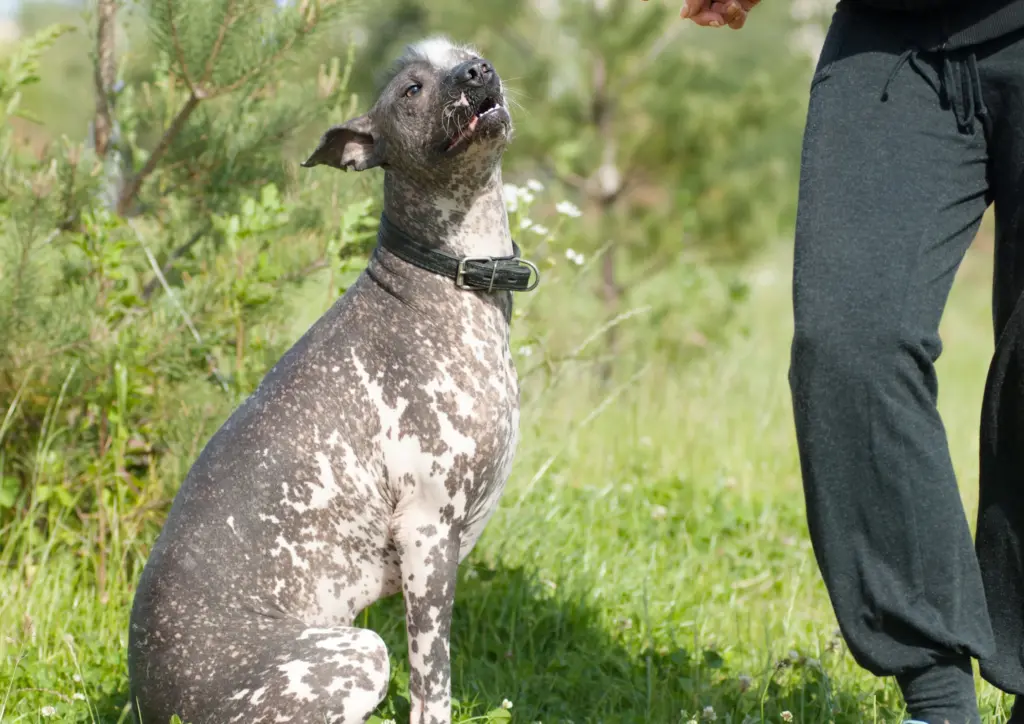
How Should I Train a Xoloitzcuintli?The Xoloitzcuintli is bright and perceptive, which makes training efficient when you use clear, consistent cues. The breed bonds closely with its family and responds best to gentle guidance and rewards. Short sessions with high-value treats, calm praise, and frequent breaks work well. Harsh corrections can create stress in sensitive dogs and can slow progress. Socialization is essential because many Xolos are naturally reserved with strangers. Introduce new people, friendly dogs, and varied environments at a pace that keeps the dog relaxed. Focus early on house manners, crate training, recall, and loose-leash walking. Mental enrichment through scent games and puzzle feeders helps prevent boredom and reduces the risk of anxious behaviors during long Vermont winters. For step-by-step support at home, you can use Dog Academy’s online training courses. The lessons teach positive reinforcement techniques, impulse control, and confidence building. You can work at your own pace and tailor sessions to your dog’s age and temperament. |
|
The ideal Vermont adopter for a Xoloitzcuintli enjoys quiet companionship, daily walks, and a stable routine. A home that offers warm indoor spaces in winter and sun protection in summer sets this breed up for comfort and health. A patient owner who values training and thoughtful socialization will help a Xolo relax and thrive.
Take time to research, prepare your home, and review listings carefully. Gather cold-weather gear, plan indoor enrichment, and set a veterinary care schedule before adoption day. When you move slowly and choose a dog whose needs match your lifestyle, you give a Xoloitzcuintli a safe and happy start in Vermont.

Introducing a new puppy to your current dog is often an exciting process, and many dogs will become fast friends and eas...
Read More
Rescue dogs can make great companions and can transform your home into something better. These dogs make great pets and ...
Read More
You should never rush to pet a dog. Even dog owners make the mistake of approaching unfamiliar dogs and petting them rig...
Read More
Puppy mill dogs are survivors who have endured extreme hardships in their lives. They have grown up in horrendous, unsan...
Read More
With their wagging tails and comforting presence, adopting a dog can add a unique touch to your life. It’s a heart...
Read More
Older dogs may have a few gray hairs around the edges, but that doesn’t mean they can’t make wonderful companions! T...
Read More