


























































































































































































Introducing a new puppy to your current dog is often an exciting process, and many dogs will become fast friends and eas...
Read MoreAdopt Me

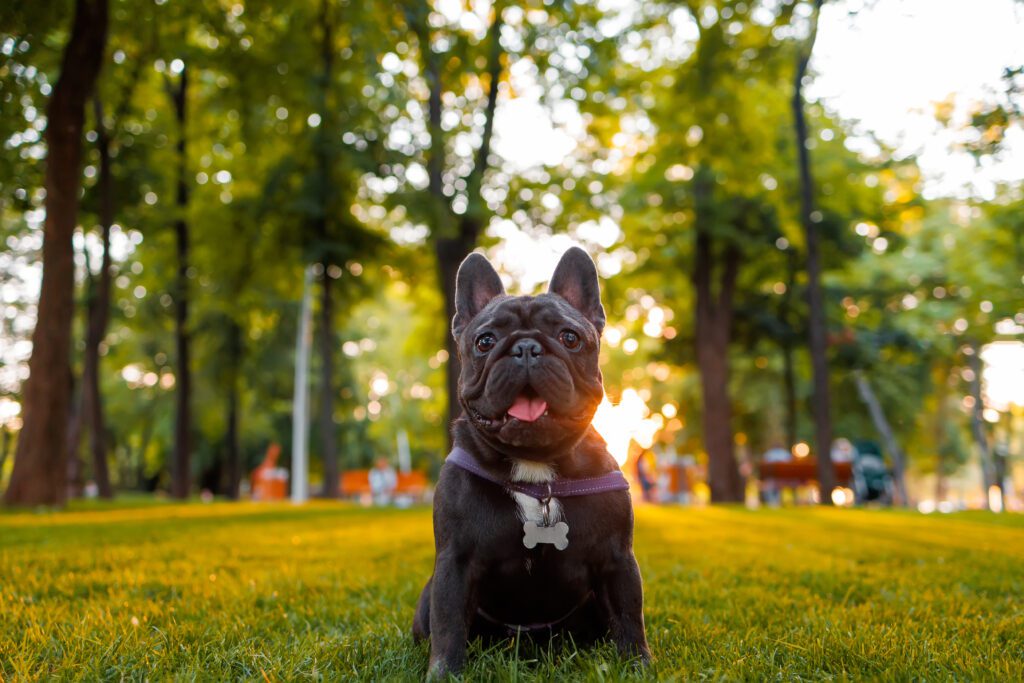



A Blue French Bulldog is a compact, affectionate companion with a calm temperament and a charming, playful spirit. The blue coat is a gray-blue shade that turns heads, while the classic Frenchie personality remains steady, cuddly, and people oriented. This breed thrives on human connection, enjoys short daily walks, and prefers cozy indoor living.
Preparation matters before you adopt a Blue French Bulldog in Vermont. Frenchies have flat faces, so they are sensitive to heat and can struggle with intense exercise. Blue coats can come with sensitive skin, and some dogs may experience thinning hair, which calls for gentle grooming and routine veterinary care. Vermont’s climate brings cold, snowy winters and warm, humid summers, which means your dog will need a winter jacket, paw protection, and careful heat management in July and August.
Adoption is a thoughtful choice because it helps a dog in need and supports local animal welfare efforts. Adopted dogs often come with initial veterinary care and known behavior notes, which helps you make a confident match. Vermont’s relaxed pace and access to nature suit a Blue French Bulldog when you plan shorter, shaded walks in summer and safe, dry paths in winter.
You can avoid searching rescues and shelters separately by using Dog Academy to browse current adoption listings in one place. You can filter for location and breed to find Blue French Bulldogs in Vermont and nearby states. You can also access step-by-step adoption checklists and educational guides that help you prepare your home and your schedule.
Adoptable Frenchies may appear at local animal shelters, regional rescues, foster-based networks, and breed-specific rescue groups. If a dog is posted in another state, transport is often arranged by rescues to move dogs between locations using vetted drivers who follow set health and safety protocols. Listings typically include age, health notes, behavior summaries, and location so you can decide whether to apply.
The process usually begins by browsing listings, then submitting an application that shares your experience, daily routine, and housing details. Many groups request landlord approval if you rent and a veterinary reference if you have current or past pets. If your application moves forward, you schedule a meet-and-greet at the shelter or at the foster home. Some groups complete a home check in person or by video to confirm that your space is safe and that you understand the needs of a brachycephalic breed. Most approvals take 1 to 3 weeks, though timelines can move faster if your documents are ready and the match is straightforward. Some rescues offer a brief foster-to-adopt period, which is a short trial that confirms the fit before finalizing the adoption.
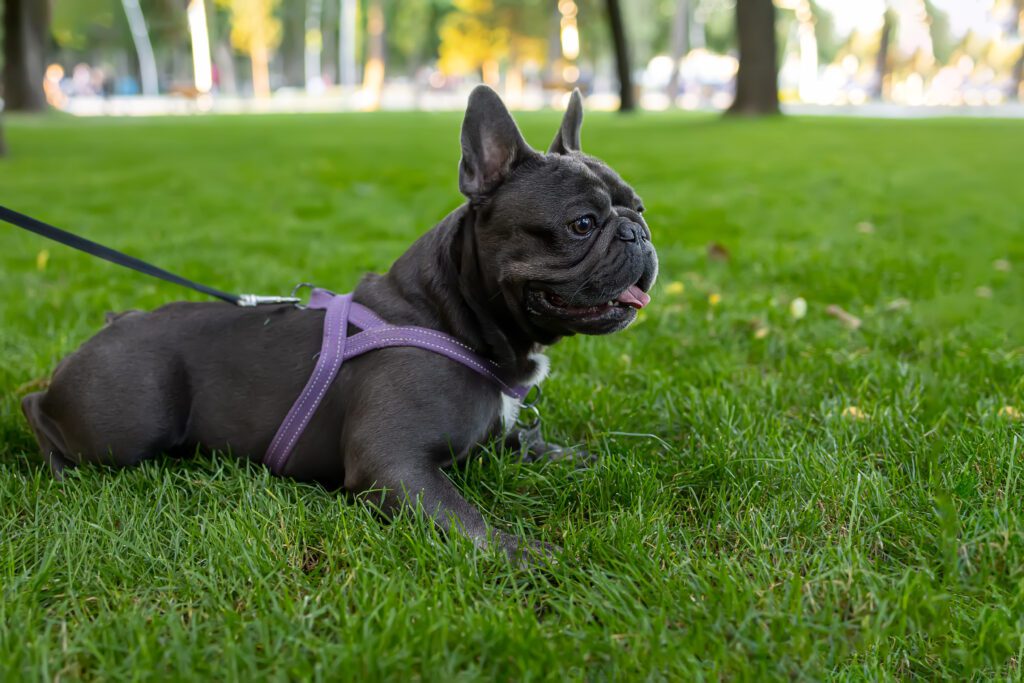
Prepare for adoption by gathering proof of residency, pet policies if you rent, and contact information for personal references. Set up a quiet rest area with a crate or bed, a secure harness, flat-buckle identification, non-slip bowls, and enrichment toys. Planning ahead helps your new Frenchie settle quickly and reduces stress on the first day home.

|
How Much Does It Cost to Adopt a Blue French Bulldog in Vermont?In Vermont, most adoption fees for a Blue French Bulldog range from $500 to $850. Puppies and young adults often sit at the higher end due to demand and recent medical care, while seniors or dogs with ongoing medical needs may be lower. Fees vary based on age, training history, medical care already completed, and regional demand for the breed. Rescues typically include spaying or neutering, vaccinations, microchipping, and veterinary exams in the fee. Some dogs may also receive dental cleanings, skin treatments, or airway evaluations, which can increase costs but provide valuable peace of mind. Ask for an itemized breakdown so you understand exactly what the fee covers and what follow-up care your dog may need. |
How Should I Train a Blue French Bulldog?Blue French Bulldogs are bright and eager to please, yet they can be a little stubborn when training feels dull. Keep sessions short, upbeat, and rewarding. Use high-value treats, mark correct choices quickly, and end lessons while your dog still has energy. Consistency builds good habits, and patience prevents frustration for both of you. Focus early on house training, crate training, and leash manners. Teach foundation cues like sit, down, stay, come, and leave it. Socialize your dog with calm people and friendly, vaccinated dogs in controlled settings. Use a well-fitted harness rather than a collar for walks to reduce pressure on the neck. Avoid intense exertion and watch for overheating, since Frenchies can struggle to cool themselves in warm or humid weather. For structured guidance that fits busy schedules, explore Dog Academy’s online training courses. You can follow step-by-step lessons for new rescues, build polite leash skills, and practice calm behavior at home. Clear plans keep training enjoyable and help your Frenchie succeed. |
|
The ideal adopter enjoys close companionship, keeps a predictable routine, and provides gentle exercise with plenty of indoor relaxation. Families and individuals who value proactive health care, gentle grooming, and weather-aware walks will help a Blue French Bulldog thrive in Vermont.
Take your time, study the breed’s needs, and prepare your home before you adopt a Blue French Bulldog in Vermont. Review current listings through Dog Academy, gather your supplies, and map out a training plan. Thoughtful preparation leads to a smooth transition and a happy, healthy partnership for years to come.

Introducing a new puppy to your current dog is often an exciting process, and many dogs will become fast friends and eas...
Read More
Rescue dogs can make great companions and can transform your home into something better. These dogs make great pets and ...
Read More
You should never rush to pet a dog. Even dog owners make the mistake of approaching unfamiliar dogs and petting them rig...
Read More
Puppy mill dogs are survivors who have endured extreme hardships in their lives. They have grown up in horrendous, unsan...
Read More
With their wagging tails and comforting presence, adopting a dog can add a unique touch to your life. It’s a heart...
Read More
Older dogs may have a few gray hairs around the edges, but that doesn’t mean they can’t make wonderful companions! T...
Read More