























































































































Introducing a new puppy to your current dog is often an exciting process, and many dogs will become fast friends and eas...
Read MoreAdopt Me

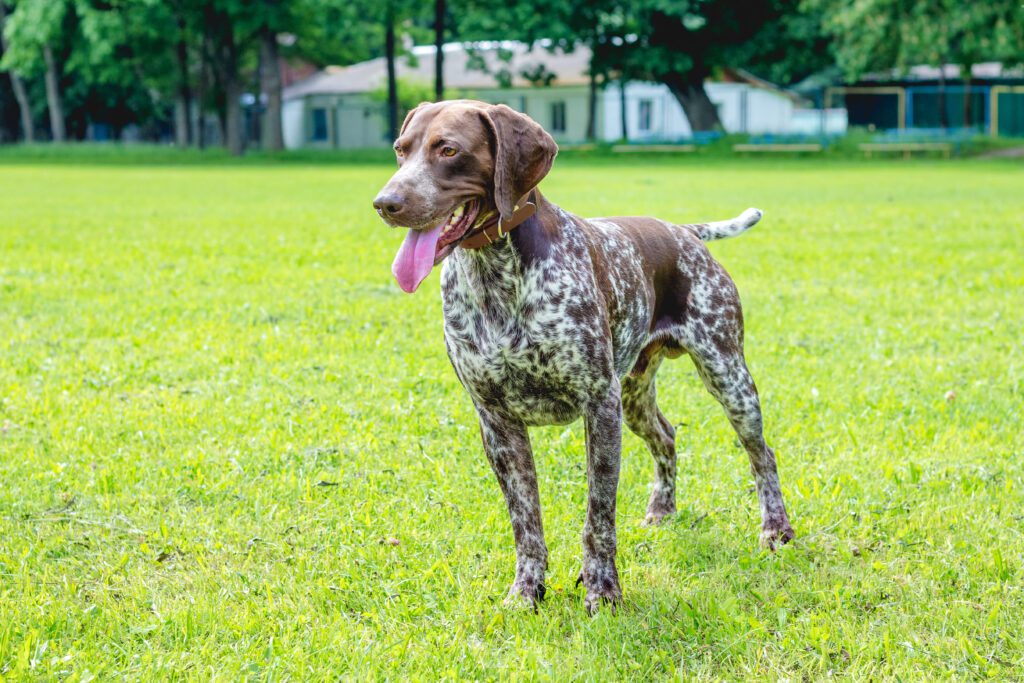


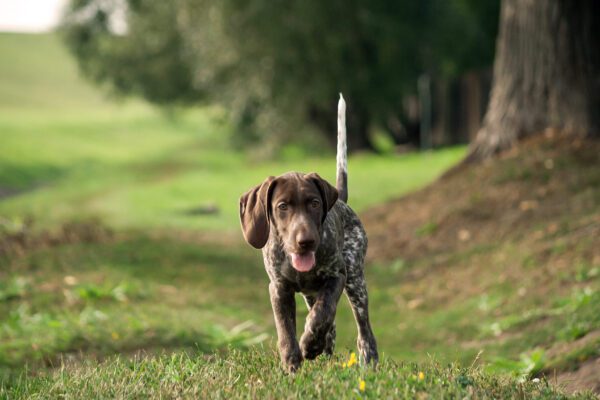
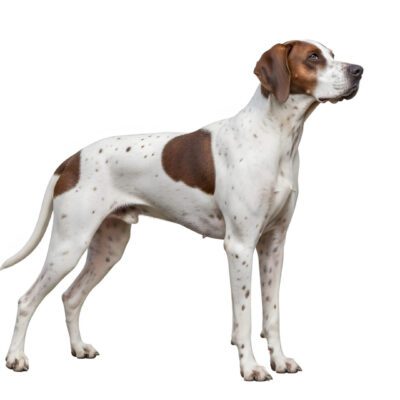
The German Shorthaired Pointer is energetic, affectionate, and eager to work. This breed loves people, excels in outdoor adventures, and bonds closely with active families. A well-bred pointer combines athletic drive with an intelligent, cooperative nature. Careful research ensures you choose a dog that fits your household and your routine.
Adoption offers a humane, responsible path that gives a deserving dog a new start. Vermont suits this breed when owners commit to daily exercise and structure. The state’s forests, rolling hills, snow-packed winters, and warm summers create opportunities for hiking, running, and scent games. The short coat sheds water well but does not insulate like a double coat. Winter outings require shorter sessions or a fitted dog jacket, and summer hikes require water breaks and shade.
Vermont lifestyles vary from rural homesteads to compact apartments. A German Shorthaired Pointer thrives with at least 60 to 90 minutes of exercise each day and regular mental work. Reliable recall training matters on wooded trails with wildlife. Tick prevention is essential in grassy fields and forests across the state. With preparation, this breed adapts well to life in Vermont.
You can avoid searching local shelters and separate rescues by starting with Dog Academy. The adoption listings help you browse German Shorthaired Pointers across Vermont and nearby regions in one place. You can filter for age, size, and temperament. You can also use Dog Academy guides and adoption checklists to prepare your home, plan your budget, and understand breed needs before you apply.
Adoptable German Shorthaired Pointers appear through local animal shelters, regional rescues, and breed-specific rescue groups. Listings usually include age, health notes, personality details, and location. Read each profile closely to confirm activity level, prey drive, and training history. Ask about energy needs and medical records so you match with a dog that fits your pace and experience.
The process typically starts with browsing listings, submitting an online application, and providing references. Many groups request proof of landlord approval for renters and a plan for daily exercise. After an initial review, coordinators often schedule a phone interview to discuss lifestyle, work hours, and training goals. Meet-and-greets allow you to interact with the dog, observe manners, and gauge fit with household members and resident pets. Some groups conduct home checks to confirm safe fencing, secure storage of chemicals, and a quiet space for decompression. Timelines vary by organization and by dog. Straightforward applications often move from approval to adoption within 1 to 3 weeks.
If the right dog is outside your area, ask about transport. Rescues sometimes arrange transport to move dogs between locations when a good match is found. Transport involves coordinated drivers or professional carriers, required health certificates, and clear pickup instructions. You may pay a modest transport fee to cover fuel and paperwork, and the group will explain the timeline and steps before travel.
|
How Much Does It Cost to Adopt a German Shorthaired Pointer in Vermont?In Vermont, adoption fees for German Shorthaired Pointers typically range from $325 to $575 for most adults. Puppies and young adolescents often cost more due to higher demand and preventive care, which can bring fees to $450 to $700. Fees vary with age, training level, recent medical care, and how quickly similar dogs place in the region. Most groups include spaying or neutering, vaccinations, microchipping, and veterinary exams in the fee. Many dogs also receive deworming and heartworm testing, which can influence pricing. You may also budget for supplies and services during the first month. A well-fitted crate, a comfortable bed, a high-quality harness, and initial training support can add to your total. Some groups offer starter kits or discounts, and coordinators can explain what is included when you finalize adoption. |
How Should I Train a German Shorthaired Pointer?German Shorthaired Pointers are bright, sensitive, and eager to learn. They excel when you reward desired behavior with food, toys, and play. Short, upbeat sessions build focus and reduce frustration. Start with name recognition, hand targeting, sit, down, and loose-leash walking. Add recall training early and practice in low-distraction areas before moving to fields and trails. Common challenges include pulling, jumping to greet, chasing wildlife, and restlessness from unmet exercise needs. Prevent unwanted habits by meeting daily activity goals and providing puzzle feeders, scent games, and chew outlets. Teach impulse control with cues like wait, leave it, and place. Keep corrections gentle and clear so you protect trust and maintain enthusiasm for training. Structured help makes progress faster. You can learn step-by-step skills with Dog Academy’s online training courses. Courses cover obedience foundations, loose-leash skills, recall reliability, crate training, and enrichment plans tailored to high-energy dogs. Consistent practice and positive reinforcement produce a confident, well-mannered companion. |
|
The ideal adopter enjoys daily outdoor time, values structure, and provides calm leadership. A home that offers regular exercise, mental challenges, and predictable routines will help a German Shorthaired Pointer settle and shine. Families with older children who understand gentle handling often do well with this energetic breed.
Preparation leads to a smooth transition. Set up your home in advance, confirm your schedule, and review breed traits with the whole household. Take your time, ask questions, and trust the process. With patience and the right match, you will adopt a German Shorthaired Pointer in Vermont who thrives for years to come.
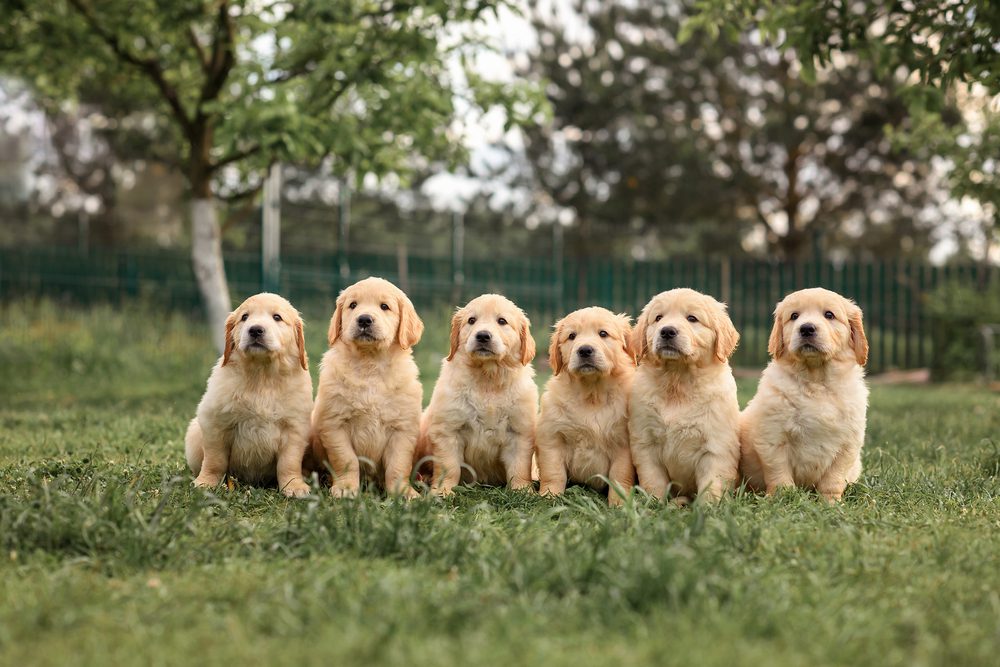
Introducing a new puppy to your current dog is often an exciting process, and many dogs will become fast friends and eas...
Read More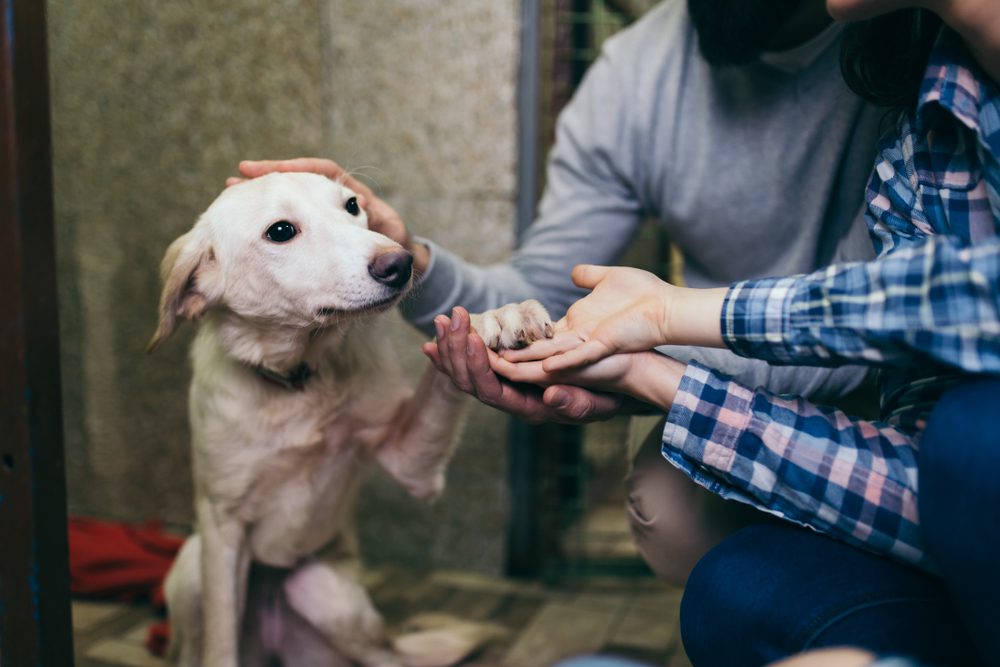
Rescue dogs can make great companions and can transform your home into something better. These dogs make great pets and ...
Read More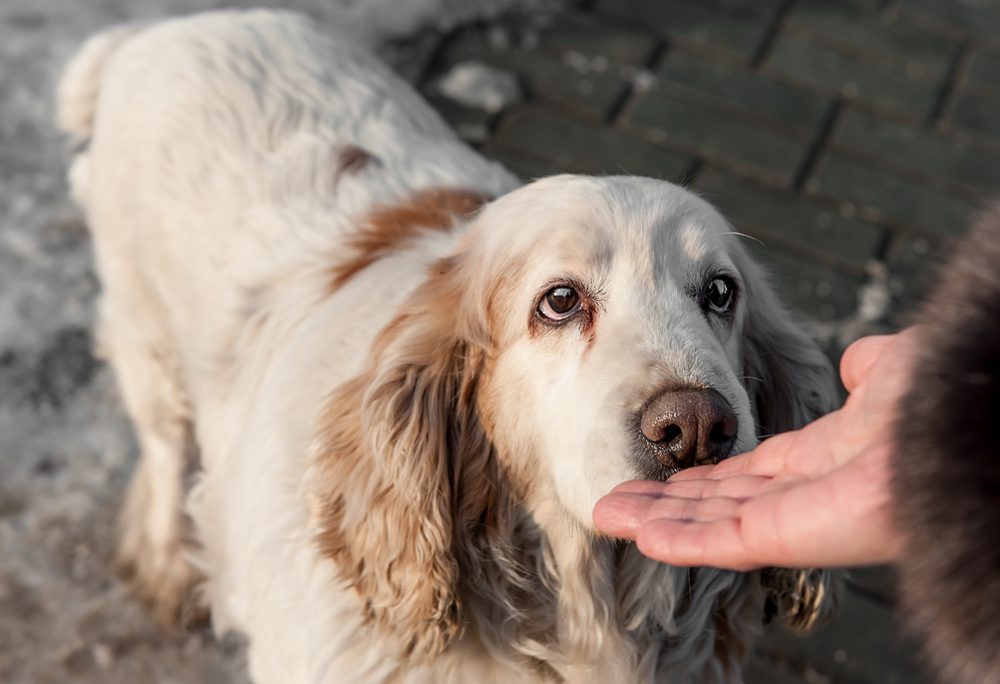
You should never rush to pet a dog. Even dog owners make the mistake of approaching unfamiliar dogs and petting them rig...
Read More
Puppy mill dogs are survivors who have endured extreme hardships in their lives. They have grown up in horrendous, unsan...
Read More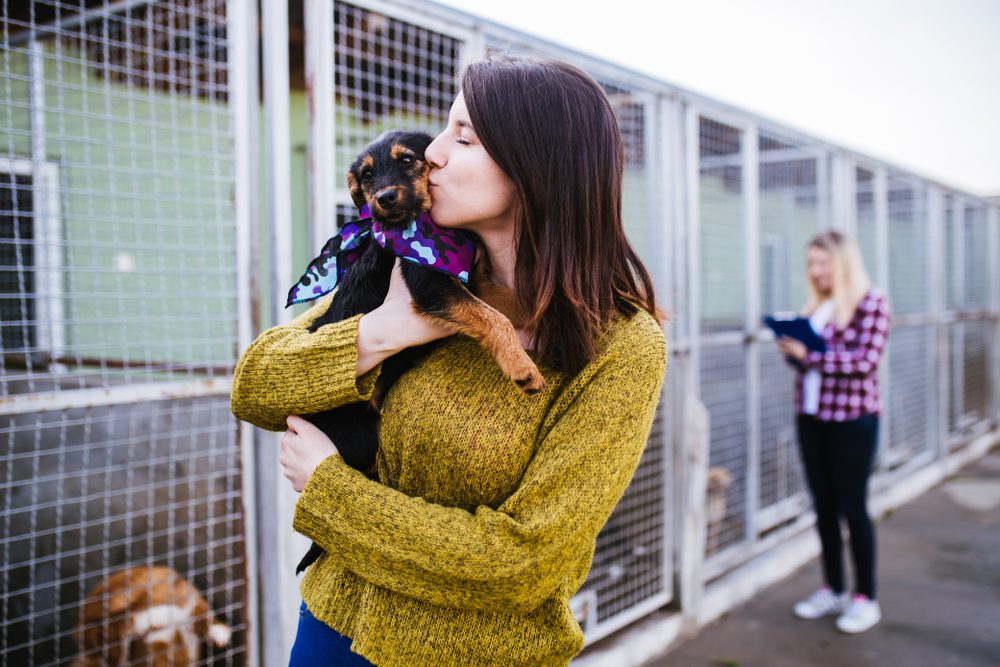
With their wagging tails and comforting presence, adopting a dog can add a unique touch to your life. It’s a heart...
Read More
Older dogs may have a few gray hairs around the edges, but that doesn’t mean they can’t make wonderful companions! T...
Read More