























































































































Introducing a new puppy to your current dog is often an exciting process, and many dogs will become fast friends and eas...
Read MoreAdopt Me

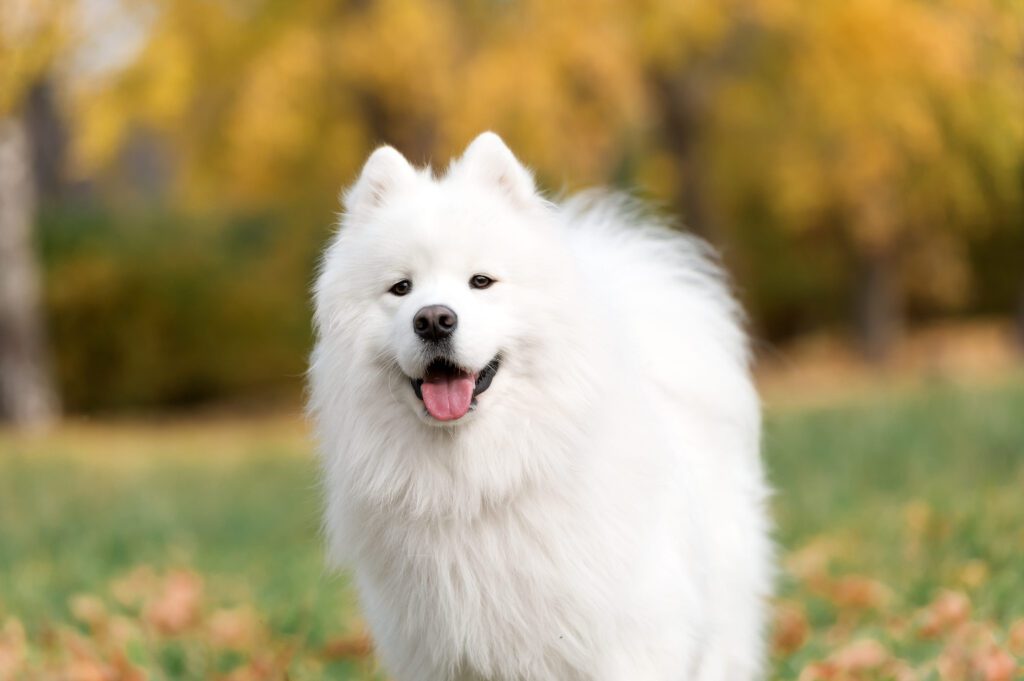
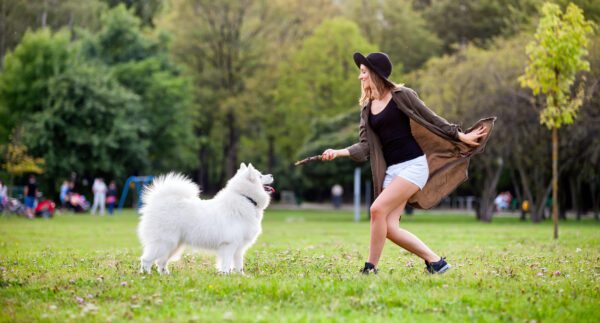
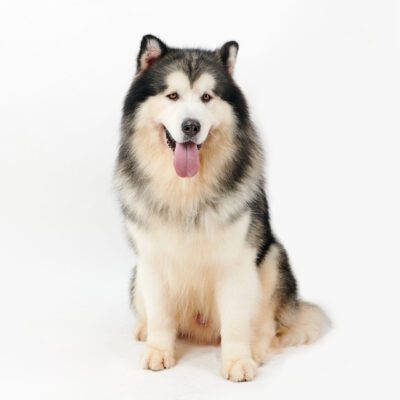
Samoyeds are cheerful, social, and loyal companions that stay active well into adulthood. The famous Samoyed smile reflects a friendly nature that suits families, outdoor enthusiasts, and anyone who enjoys a playful partner. This breed carries a dense double coat that sheds heavily and requires regular grooming. Thoughtful research helps every adopter understand energy needs, training goals, and coat care before taking the next step.
Adoption gives a deserving dog a fresh start and gives you a partner with known traits. Rescues often provide behavioral notes and medical records that support a smooth transition. Adoption also reduces pressure on crowded shelters and supports ethical placement practices that put the dog’s long-term well-being first.
Vermont offers a strong fit for a northern breed that loves winter. Cold temperatures and snowy trails suit the Samoyed coat and stamina. Mountain terrain and rural spaces invite daily hikes and enrichment. Warm and humid summer days still require caution, shade, and indoor cooling. A Vermont lifestyle works best for a Samoyed when you plan year-round exercise, frequent brushing, and ample companionship.
You can avoid searching for shelters and rescues separately by browsing adoptable Samoyeds on Dog Academy. The listings help you scan local animal shelters, regional rescues, and breed-specific rescue groups in one place. Dog Academy also provides educational guides and adoption checklists that explain each step from first inquiry to homecoming day.
Start by reviewing listings and reading each profile in full. Pay attention to age, size, energy level, grooming needs, and any notes about behavior or medical care. Submit an application that explains your daily schedule, home setup, fencing or leash plans, and experience with northern breeds. Applications often request personal references and landlord approval when you rent. Clear and complete information helps coordinators match you with a Samoyed that fits your lifestyle.
After an application review, coordinators typically schedule a phone interview and a meet-and-greet. Meet-and-greets allow you to observe the dog’s comfort level, assess reactions to family members, and discuss training goals. Many groups also perform a home check, which can be conducted by video call or an in-person visit. A home check confirms safe containment, adequate space, and a plan to manage shedding and weather. Approval timelines usually run 1 to 3 weeks depending on response times, reference checks, and the number of applicants for the same dog.
If your best match is outside Vermont, a rescue may arrange transport to move the dog between locations safely. Transport is often coordinated by rescue staff or vetted partners who schedule health checks, travel paperwork, and handoff points. You will receive clear pickup instructions and a final contract that outlines responsibilities, medical records, and return policies. Always bring a fitted harness, a secure leash, an ID tag, and a crate for a calm ride home.
|
How Much Does It Cost to Adopt a Samoyed in Vermont?In Vermont, you can expect adoption fees for a Samoyed to land around $350 to $550 for most adults and $500 to $700 for many puppies. Fees vary because rescues recover the cost of breed-specific care and meet regional demand for a popular northern breed. Age, training, medical history, and local interest all influence the final fee. Most organizations include spaying or neutering, vaccinations, microchipping, and veterinary exams. Many also provide deworming, grooming for heavy coats, heartworm testing, and starter preventatives. Dogs that arrive with completed training or recent dental work may carry higher fees because those services are already covered. Transparent itemization helps you see exactly what your payment supports. |
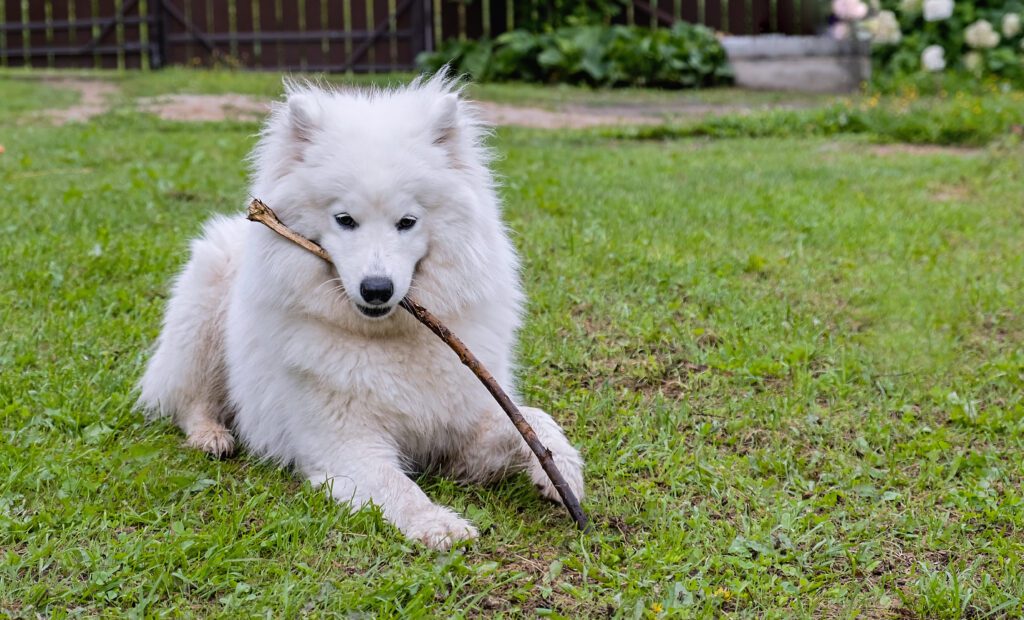
How Should I Train a Samoyed?Samoyeds are intelligent and eager, yet they also carry an independent streak. Clear structure and positive reinforcement create reliable behavior without dampening a joyful spirit. Reward-based methods that use food, toys, and praise work best because this breed responds to fun and consistency. Short sessions and frequent practice keep learning upbeat and focused. Plan early training for impulse control, loose-leash walking, recall, and polite greetings. Vocalizing is common for this breed, so reinforce quiet behavior and provide daily mental enrichment. Socialize with calm, well-managed exposures to people, dogs, sounds, and grooming tools. Teach cooperative care for brushing, nail trimming, and teeth cleaning to make heavy coat maintenance stress-free. For step-by-step lessons you can follow at home, explore Dog Academy’s online training courses, which cover foundations, advanced obedience, and solutions for common northern-breed challenges. |
|
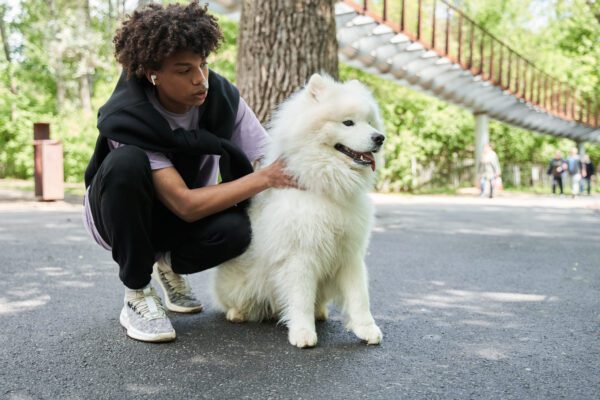
The ideal Vermont adopter is active, patient, and consistent with training. A great match enjoys winter adventures, schedules daily exercise of 60 to 90 minutes, and keeps a steady grooming routine. A thoughtful plan for summer cooling protects a double-coated dog during hot and humid stretches.
Take time to prepare your home, gather supplies, and align expectations with everyone in the household. Read profiles carefully, ask detailed questions, and move at a pace that supports the best match. With sound research, kind training, and a careful adoption process, you can adopt a Samoyed in Vermont and build a happy partnership that lasts for years.
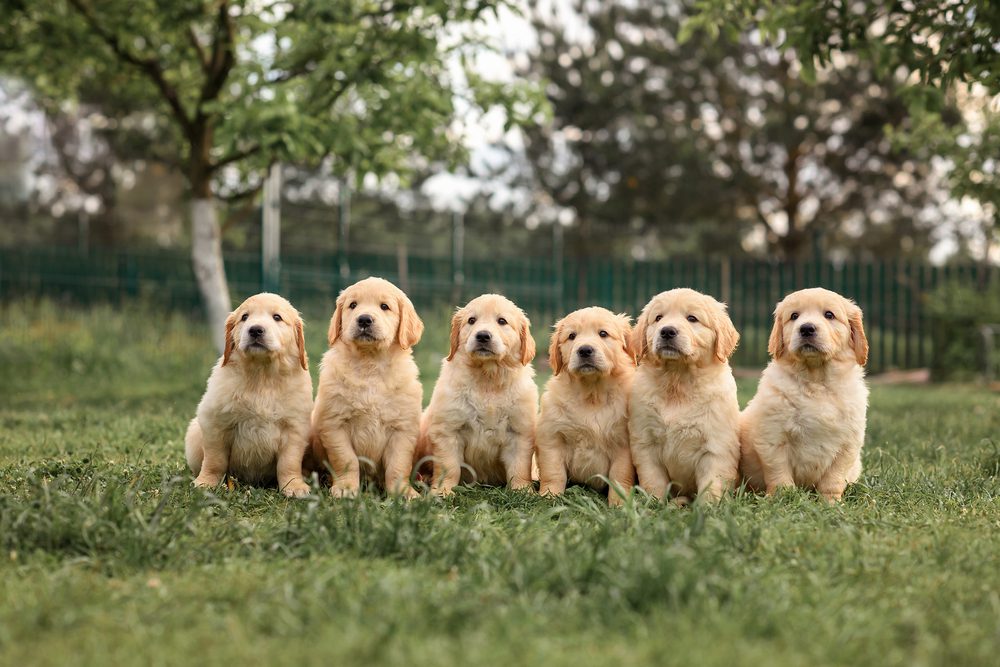
Introducing a new puppy to your current dog is often an exciting process, and many dogs will become fast friends and eas...
Read More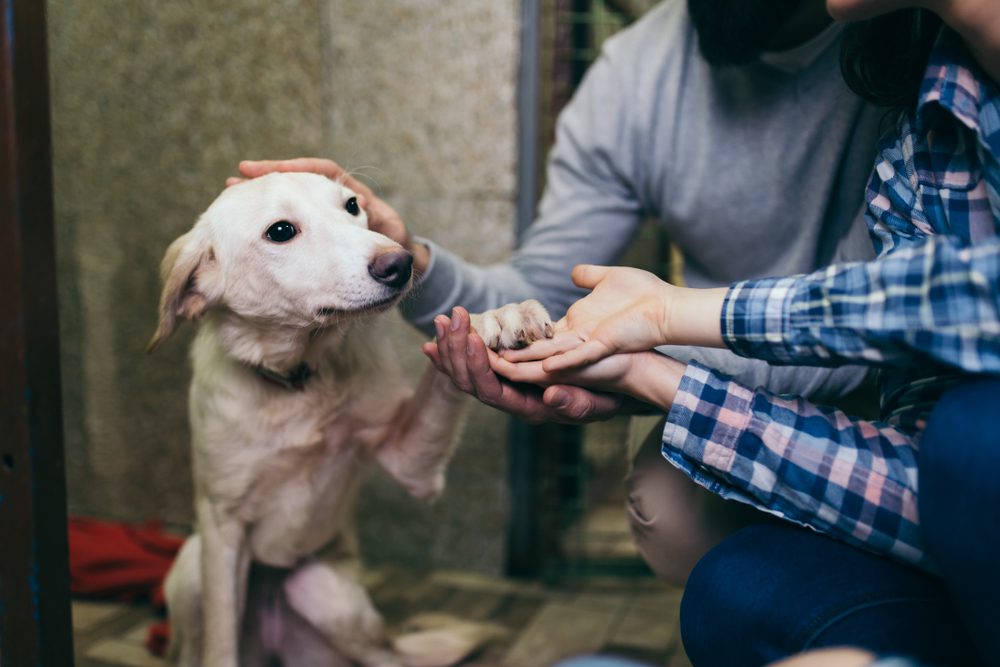
Rescue dogs can make great companions and can transform your home into something better. These dogs make great pets and ...
Read More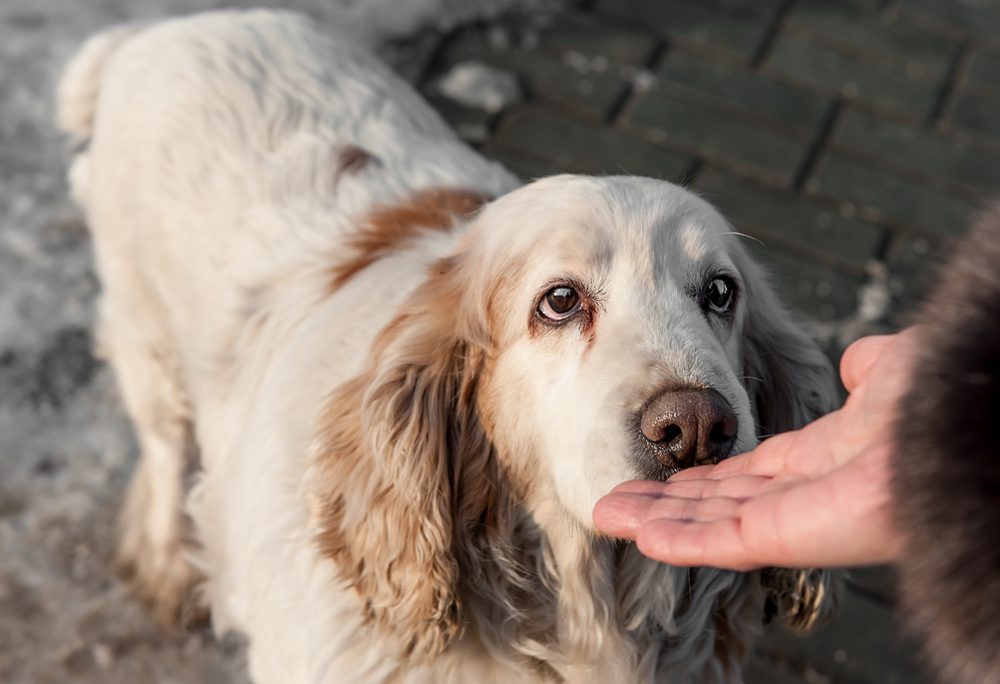
You should never rush to pet a dog. Even dog owners make the mistake of approaching unfamiliar dogs and petting them rig...
Read More
Puppy mill dogs are survivors who have endured extreme hardships in their lives. They have grown up in horrendous, unsan...
Read More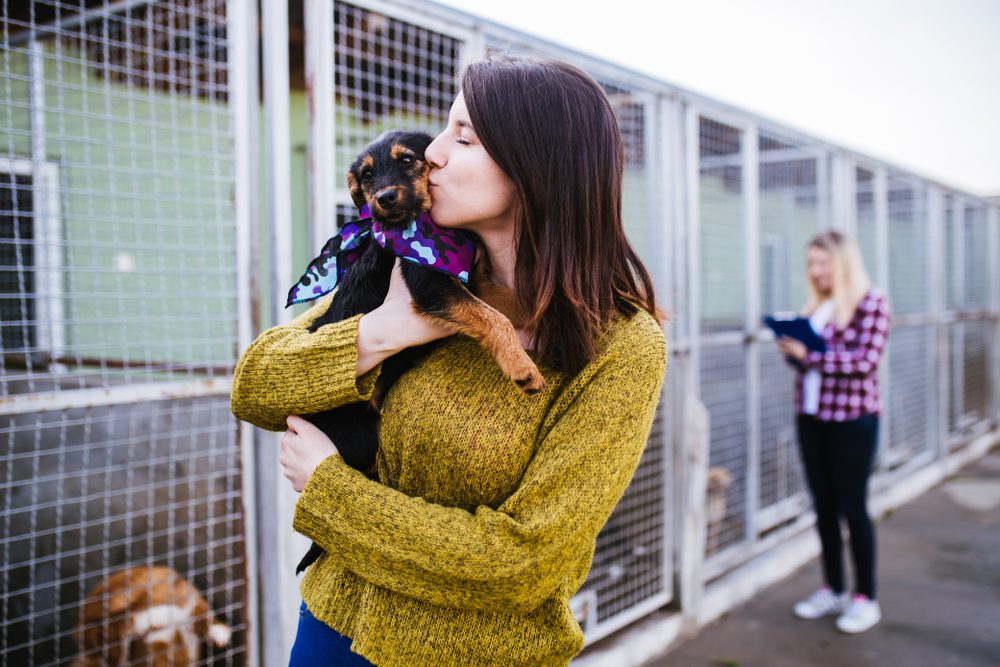
With their wagging tails and comforting presence, adopting a dog can add a unique touch to your life. It’s a heart...
Read More
Older dogs may have a few gray hairs around the edges, but that doesn’t mean they can’t make wonderful companions! T...
Read More