



























































































































































































Introducing a new puppy to your current dog is often an exciting process, and many dogs will become fast friends and eas...
Read MoreAdopt Me



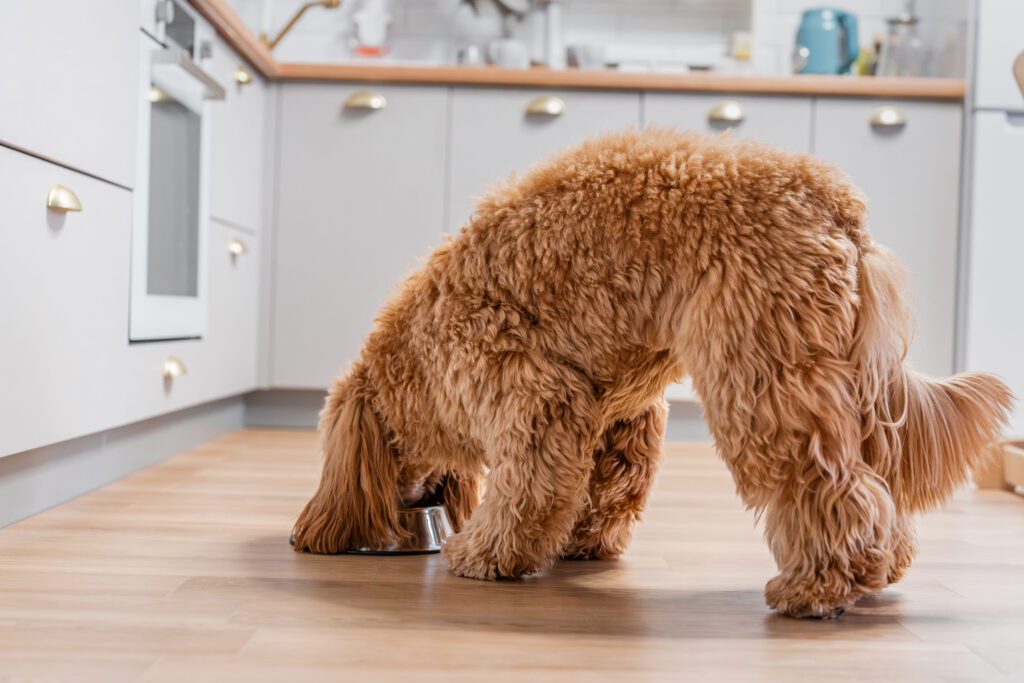
A Mini Labradoodle is a friendly, intelligent, and people-focused companion. The breed blends the eagerness of a Labrador Retriever with the quick learning of a Miniature Poodle. Many families choose this dog for its smaller size and low shedding coat. A Mini Labradoodle thrives on attention and regular activity, and the breed enjoys training and playtime with children and adults.
Research matters before you adopt a Mini Labradoodle in Vermont. A thoughtful plan helps you match energy levels, grooming needs, and lifestyle. Adoption gives a dog a second chance, supports humane practices, and often provides post-adoption guidance. You can usually meet the dog in a calm setting and review known history, which helps you make a confident choice.
Vermont offers four true seasons with snowy winters, muddy springs, warm summers, and leaf-filled falls. A Mini Labradoodle’s coat provides some insulation, yet extreme cold calls for a fitted jacket and careful paw care. Trails, fields, and lakes invite daily exercise, which suits this active breed. Rural roads and busy town centers require steady leash skills and reliable recall. Regular grooming keeps the coat free of mats after snow, rain, and trail dust.
You can avoid searching shelters and rescues one by one by browsing adoption listings on Dog Academy. You can filter by location and breed, review up-to-date profiles, and contact groups directly. You can also use Dog Academy’s educational guides and adoption checklists to prepare your home, plan your budget, and set training goals.
Adoptable Mini Labradoodles in Vermont appear through local animal shelters, regional rescues, breed-specific rescue groups, and foster-based networks. Some groups focus on dogs already in Vermont. Other groups place Vermont adopters with dogs located in nearby states. Many listings include age, size, temperament notes, and medical updates. Reading each profile closely helps you decide which dog fits your activity level and living space.
The process usually starts with browsing listings and submitting an application. Applications often request references, proof of residence, and landlord approval when you rent. A coordinator may schedule a phone interview to discuss your experience, daily routine, and training plan. Next comes a meet-and-greet at a shelter, an adoption center, or a foster home. Some groups complete a home check to confirm safe fencing, secure trash, and proper storage for food and medications. Approval timelines vary, though many adoptions finalize within 1 to 3 weeks once all steps are complete.
Rescues may arrange transport to move dogs between locations when a strong match exists. Transport is often arranged by rescues to move dogs between states using volunteer drivers or licensed carriers. Groups usually confirm commitment and collect fees before scheduling travel. Pickup often happens at a public meeting point with clear instructions for identification and handoff.
Understanding the breed’s needs strengthens your application and improves your match. A Mini Labradoodle requires daily exercise, regular grooming, and consistent social time. Ask about energy level, shedding, health history, and comfort with children and other pets. A clear plan for training and enrichment shows that you are ready to provide a stable home.

|
How Much Does It Cost to Adopt a Mini Labradoodle in Vermont?In Vermont, the adoption fee for a Mini Labradoodle typically ranges from $300 to $600. Fees trend higher for puppies and for dogs with high demand. Adult dogs with basic training may cost less than very young dogs. The fee reflects medical care, daily housing, and the time spent evaluating temperament and behavior. Costs vary with age, training, medical care, and demand. Fees often include spaying or neutering, vaccinations, microchipping, and veterinary exams. Some groups also provide heartworm testing, flea and tick prevention, and a starter supply kit. Dogs that received dental work or specialty treatment may have higher fees to offset those expenses. |
How Should I Train a Mini Labradoodle?A Mini Labradoodle is quick to learn and eager to please, which makes training rewarding. Short, upbeat sessions with food rewards and play build strong behaviors. Clear cues, consistent routines, and predictable feedback keep this sensitive breed confident and engaged. Positive reinforcement helps the dog offer good choices without fear or confusion. Common challenges include jumping on guests, mouthy play, leash pulling, and barking when bored. You can address these issues with impulse control exercises, structured walks, and daily mental enrichment. Crate training, calm alone-time practice, and a steady potty schedule help young dogs settle. Gentle grooming practice builds tolerance for brushing and trims, which this coat type requires. For step-by-step support, you can enroll in Dog Academy’s online training courses. Lessons cover foundation skills, polite leash manners, reliable recall, and solutions for reactivity or separation stress. |
|
The ideal owner enjoys daily activity and patient training. A Mini Labradoodle does best with 60 to 90 minutes of combined physical and mental exercise every day. Consistent grooming keeps the coat healthy. Many dogs need full grooming every 4 to 8 weeks with brushing several times per week. Families, couples, and singles in Vermont can all succeed when they plan time for walks, play, and enrichment.
Prepare your home, set your budget, and gather supplies before you apply. Choose a veterinarian and outline a training plan so you can start on day one. Take your time, ask clear questions, and trust the process. When you adopt a Mini Labradoodle in Vermont with a thoughtful approach, you give a deserving dog a safe home and a bright future.

Introducing a new puppy to your current dog is often an exciting process, and many dogs will become fast friends and eas...
Read More
Rescue dogs can make great companions and can transform your home into something better. These dogs make great pets and ...
Read More
You should never rush to pet a dog. Even dog owners make the mistake of approaching unfamiliar dogs and petting them rig...
Read More
Puppy mill dogs are survivors who have endured extreme hardships in their lives. They have grown up in horrendous, unsan...
Read More
With their wagging tails and comforting presence, adopting a dog can add a unique touch to your life. It’s a heart...
Read More
Older dogs may have a few gray hairs around the edges, but that doesn’t mean they can’t make wonderful companions! T...
Read More