

























































































































































































Introducing a new puppy to your current dog is often an exciting process, and many dogs will become fast friends and eas...
Read MoreAdopt Me



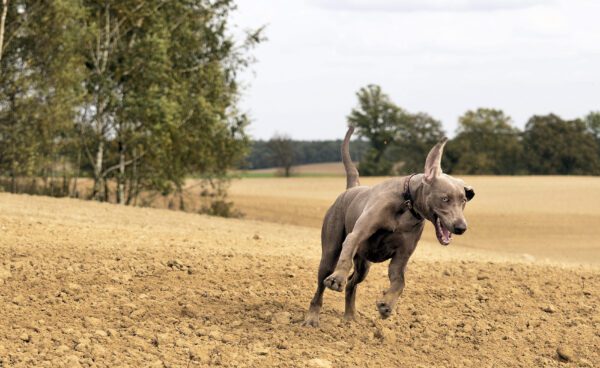
The Weimaraner is an athletic, clever, and affectionate sporting dog that bonds deeply with a family. This breed loves to run, learn, and stay close to people. A Weimaraner thrives when a household offers daily exercise, clear structure, and regular mental enrichment.
Research matters before you adopt. Understanding energy levels, training needs, and health considerations helps you choose a dog that fits your life. Adoption is a compassionate choice because it gives a dog a second chance while directing your budget toward care rather than commercial breeding. Many Vermont families find that an adopted Weimaraner delivers the same loyalty and joy as a puppy from a seller while reducing pressure on the overall dog population.
Vermont’s natural beauty suits active dogs. The Green Mountains, wooded trails, and lakes invite hiking and running. Cold winters require a warm coat and limited time outdoors during deep freezes. Icy sidewalks and road salt call for paw protection and rinsing after walks. Rural areas and abundant wildlife require a reliable recall and careful leash handling. Mud season brings cleanup needs and extra indoor enrichment. With thoughtful planning, a Weimaraner can thrive in Vermont’s four-season lifestyle.
You can avoid searching shelters and rescues one by one by browsing adoption listings on Dog Academy. You can view verified profiles, learn about each dog’s needs, and follow guided checklists that explain applications, meet-and-greets, and home preparation. Dog Academy also provides educational guides that help you evaluate fit and plan for the first weeks at home.
Adoptable Weimaraners in Vermont appear through local animal shelters, regional rescues, and breed-specific rescue groups. You can start by browsing listings, reading full biographies, and noting details about age, size, temperament, and medical history. Create a shortlist based on your lifestyle, your schedule, and your home environment. A good match fits both your activity level and your training goals.
Most organizations use a similar process. You submit an application that includes your housing details, your veterinary history, and personal references. You may need written landlord approval if you rent. After an initial review, coordinators schedule a meet-and-greet at a shelter, a foster home, or a neutral public space. Some groups offer a trial adoption that lets you confirm compatibility. Home checks happen either in person or by video to confirm safety, fencing, and daily setup.
Approval timelines vary by dog and by organization. A straightforward application may move from submission to approval within 3 to 14 days. Timelines extend if the dog needs medical care, if references take longer to verify, or if multiple applicants express interest. If your best match lives outside Vermont, rescues sometimes arrange transport to move dogs between locations. Transport is a coordinated trip that moves a dog safely using volunteer drivers or professional carriers, and adopters are told the route, timing, and pickup details in advance.
|
How Much Does It Cost to Adopt a Weimaraner in Vermont?Most Vermont adopters can expect to pay $250 to $500 for an adult Weimaraner and $400 to $650 for a puppy. Fees trend higher for younger dogs and for dogs that receive extra veterinary care before placement. Costs reflect age, training, medical care, and local demand for the breed. Fees usually include spaying or neutering, vaccinations, microchipping, and veterinary exams. Out-of-state transport, when offered, may add $75 to $200 to cover safe travel arrangements. Budget for initial supplies such as a crate, a martingale collar, a harness, a leash, bowls, bedding, and puzzle feeders. Many Vermont homes spend $150 to $300 to set up a new dog with quality gear that supports safe management and early training. |
How Should I Train a Weimaraner?The Weimaraner is intelligent, eager, and sensitive, which makes training rewarding when you use positive reinforcement. Short, frequent sessions help the dog focus and succeed. Teach foundation skills such as name response, sit, down, stay, recall, and loose-leash walking. Use high-value rewards, upbeat timing, and clear criteria. Consistency builds confidence and prevents confusion. Common challenges include high arousal, jumping, pulling, prey drive, and separation anxiety. Meet daily exercise needs through brisk walks, structured running, and nose work. Add mental work with scent games and problem-solving puzzles. Practice impulse control with settle on a mat, leave it, and wait at doors. Crate training supports calm rest and safe travel. If you want step-by-step guidance, explore Dog Academy’s online training courses for structured lessons, real-life practice plans, and expert tips for sporty, high-energy breeds. |

|
The ideal adopter enjoys daily activity, provides patient training, and commits to a consistent routine. A home that offers time for exercise, room for play, and steady companionship helps a Weimaraner settle and shine.
Take your time, learn the breed, and prepare your home before you apply. A thoughtful process leads to a safe, lasting match. When you feel ready, start your search with clear criteria and move at a pace that respects the dog’s needs and your lifestyle. A well-chosen Weimaraner in Vermont can become a devoted trail partner and a loving family friend for years to come.

Introducing a new puppy to your current dog is often an exciting process, and many dogs will become fast friends and eas...
Read More
Rescue dogs can make great companions and can transform your home into something better. These dogs make great pets and ...
Read More
You should never rush to pet a dog. Even dog owners make the mistake of approaching unfamiliar dogs and petting them rig...
Read More
Puppy mill dogs are survivors who have endured extreme hardships in their lives. They have grown up in horrendous, unsan...
Read More
With their wagging tails and comforting presence, adopting a dog can add a unique touch to your life. It’s a heart...
Read More
Older dogs may have a few gray hairs around the edges, but that doesn’t mean they can’t make wonderful companions! T...
Read More