























































































































































































Introducing a new puppy to your current dog is often an exciting process, and many dogs will become fast friends and eas...
Read More
How to Introduce a New Puppy to Your Dog
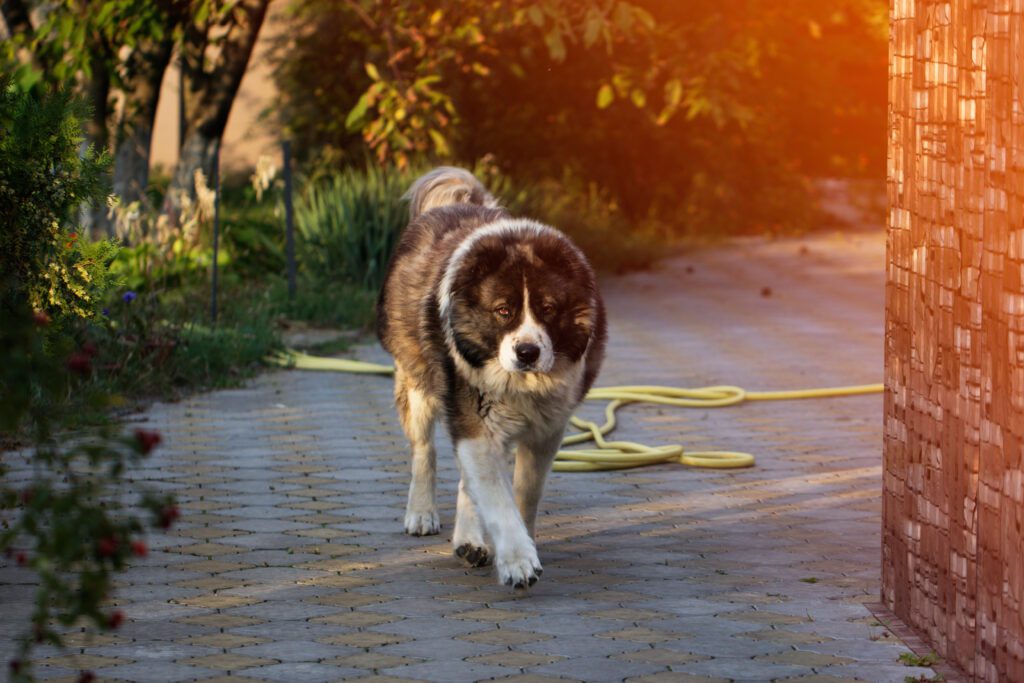
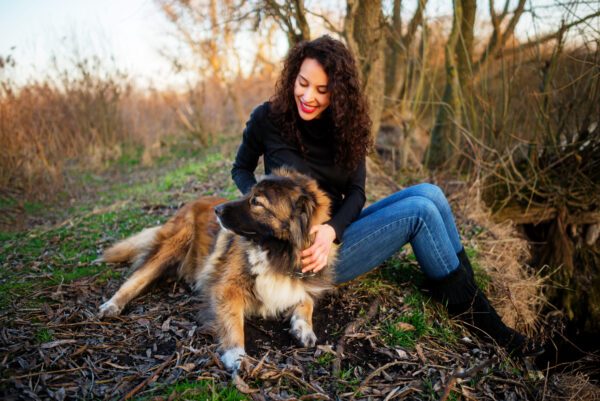
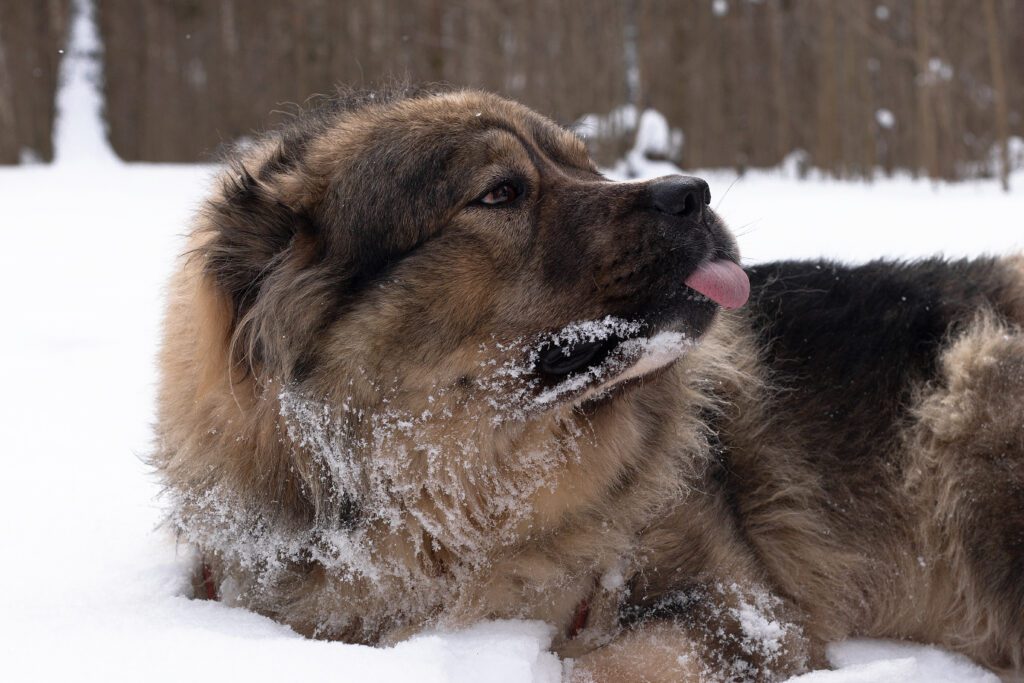
The Caucasian Shepherd is a powerful livestock guardian that bonds deeply with family and watches property with calm confidence. The breed is loyal, independent, and protective, which makes it a rewarding companion for experienced owners who value diligence and stability. If you plan to adopt a Caucasian Shepherd in Vermont, careful research helps you match this dog’s instincts with your lifestyle and home.
Adoption is a thoughtful way to welcome this breed. It gives a dog a second chance while supporting ethical placement and transparent veterinary records. Vermont offers a strong fit for the Caucasian Shepherd because the state has cold winters, ample snow, and long stretches of cool weather that suit the breed’s dense double coat. Rural properties and quiet neighborhoods can provide space for steady exercise and structured patrols. Vermont can also present challenges, including mud season, icy roads, and limited off-leash areas, which means owners must commit to secure fencing, reliable recall, and daily mental engagement.
Before you move forward, assess your time for training, your ability to manage a very large dog, and your plans for safe containment. This breed thrives when owners set clear rules, practice daily handling, and provide a calm routine that aligns with Vermont’s slower, outdoor-focused pace.
You can avoid searching shelters and rescues separately by browsing Dog Academy adoption listings, which present available dogs in one place with clear profiles. This saves time and helps you focus on fit. You can also check local animal shelters, regional rescues, and breed-specific rescue groups that place guardian-type dogs. Read each profile fully to confirm temperament, size, energy level, and any management needs related to guarding behavior.
The process usually starts with browsing listings and submitting a detailed application. Applications often ask about fencing, household activity, children, other pets, and your experience with large guardian breeds. Provide complete answers and describe how you will handle introductions, training, and containment. Strong applications show a plan for daily exercise, veterinary care, and structured socialization.
After an application review, most groups schedule a phone interview and a meet-and-greet. A meet-and-greet allows you to observe handling, leash manners, and reactivity in a neutral area. Home checks commonly follow to confirm secure fencing, safe gates, and appropriate indoor space. Approval timelines vary by organization. Straightforward placements can move in 1 to 3 weeks, while more complex matches can take longer if training plans or property adjustments are required.
Vermont adopters sometimes work with out-of-state groups. Rescues may arrange transport to move dogs between locations, and they typically coordinate vetted drivers, health certificates, and scheduled handoffs. Ask for a clear transport plan, total costs, and what support is available if the schedule changes due to weather.
|
How Much Does It Cost to Adopt a Caucasian Shepherd in Vermont?Expect most Vermont shelters and rescues to set Caucasian Shepherd adoption fees between $250 and $500. Fees reflect the higher veterinary and care costs for a giant breed and the hands-on evaluation required for a guardian-type dog. Younger dogs with up-to-date training and extensive veterinary records may be toward the higher end, while older dogs or dogs needing ongoing training may be toward the lower end. Adoption fees usually include spaying or neutering, vaccinations, microchipping, and veterinary exams. Costs can rise with recent dental cleanings, orthopedic screenings, or advanced diagnostics. Age, prior training, medical care, and regional demand also affect pricing. Large-breed medications and preventives cost more than small-breed equivalents, which can influence the final fee. |
How Should I Train a Caucasian Shepherd?The Caucasian Shepherd is intelligent, thoughtful, and steady, but the breed can be independent and selective with obedience. Training works best when you build trust and reward calm decisions. Use clear markers, high-value rewards, and short sessions. Keep distractions low at first and raise difficulty gradually. Avoid harsh corrections because they undermine confidence and can increase defensiveness. Focus on reliable leash skills, a strong recall, impulse control, and relaxed settle behaviors. Early socialization with controlled exposure to people, dogs, livestock, and equipment is essential. Teach boundary games and door manners to support safe property management. Provide daily mental enrichment through scent work, problem-solving toys, and structured patrol walks. If you want step-by-step guidance tailored to large guardian breeds, explore Dog Academy’s online training courses for practical plans you can apply at home. Consistent leadership matters for this breed. Set rules that never change, reward calm behavior, and manage the environment with secure fencing and stable routines. When questions arise, get help early to keep progress steady and stress low. |
|
The ideal Vermont adopter enjoys quiet outdoor time, maintains a secure yard, and commits to daily training and thoughtful socialization. Families with dog experience and a calm home can help a Caucasian Shepherd feel safe and purposeful. Preparation builds success, which includes setting up fencing, organizing a veterinary plan, and arranging time for exercise and enrichment.
Take your time, compare multiple profiles, and ask detailed questions about temperament and history. When you feel ready, start with Dog Academy to browse adoptable dogs, and use Dog Academy guides and checklists to stay organized from application to homecoming. With patience and planning, you can adopt a Caucasian Shepherd in Vermont and build a stable, lifelong bond.
Introducing a new puppy to your current dog is often an exciting process, and many dogs will become fast friends and eas...
Read More
Rescue dogs can make great companions and can transform your home into something better. These dogs make great pets and ...
Read More
You should never rush to pet a dog. Even dog owners make the mistake of approaching unfamiliar dogs and petting them rig...
Read More
Puppy mill dogs are survivors who have endured extreme hardships in their lives. They have grown up in horrendous, unsan...
Read More
With their wagging tails and comforting presence, adopting a dog can add a unique touch to your life. It’s a heart...
Read More
Older dogs may have a few gray hairs around the edges, but that doesn’t mean they can’t make wonderful companions! T...
Read More