



























































































































































































Introducing a new puppy to your current dog is often an exciting process, and many dogs will become fast friends and eas...
Read MoreAdopt Me

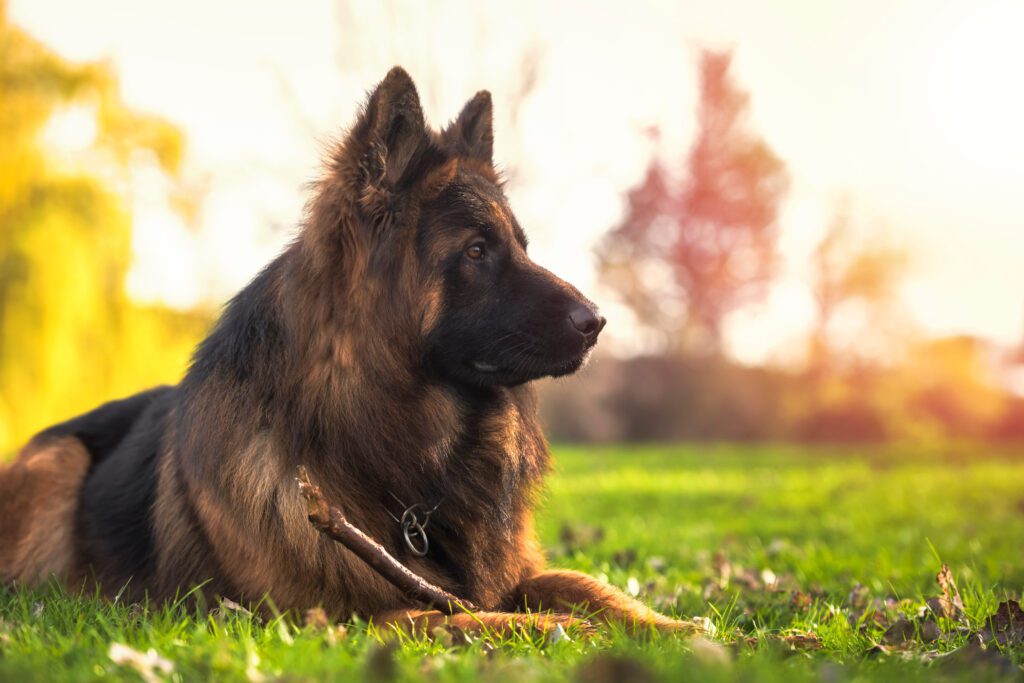


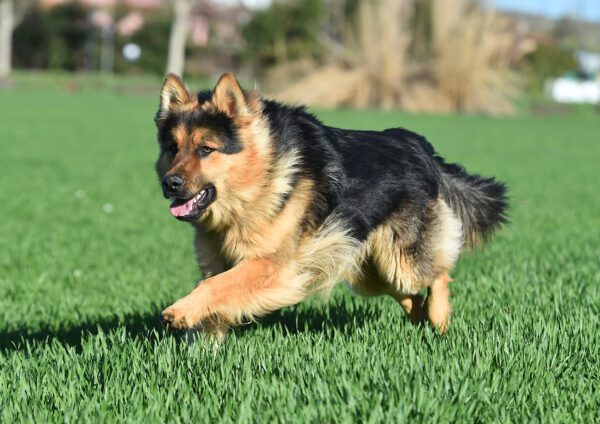
The Long-Haired German Shepherd is loyal, intelligent, and deeply bonded to family. The plush coat and calm presence add to the appeal, while strong working instincts make this breed eager to learn and eager to help. Many people choose this dog for its blend of sensitivity, athletic ability, and steady confidence.
Thoughtful research matters before you adopt. This breed needs daily exercise, clear structure, and regular mental work. A Long-Haired German Shepherd sheds heavily and needs frequent brushing. Adoption gives a deserving dog a new start, and it also connects you with support and behavior insights that help your home succeed.
Vermont suits this breed well. Cold winters and mountain winds feel comfortable to a double-coated dog, though summer humidity calls for shade and water on warm afternoons. The state’s trails, forests, and rural roads create many chances for hiking and training. City or apartment life in Vermont can also work when you commit to daily walks, enrichment, and respectful leash manners.
You can save time by browsing Dog Academy’s adoption listings. The listings gather dogs from multiple Vermont shelters and regional rescues in one place, so you can compare options without searching each group on your own. You can also use the site’s educational guides and adoption checklists to prepare for each step. Start here: Dog Academy.
You can also watch for adoptable dogs through local animal shelters, regional rescues, foster networks, and breed-specific rescue groups. Many organizations post detailed profiles that explain age, temperament, energy level, and any training history. Read each profile slowly and make a list of must-have traits, such as good with cats or comfortable with children.
The process usually begins with an application. Most groups ask for personal references, landlord approval if you rent, and information about your current pets. Expect a phone interview so the team can understand your schedule, training plans, and home setup. Application reviews often take 3 to 7 days, though very popular dogs can extend timelines.
Next comes a meet-and-greet. Bring all household members and resident dogs so everyone can interact in a calm, supervised setting. Many organizations complete a home check either in person or by video to confirm safe fencing, secure doors, and a clean space for rest. Home checks often occur within 1 to 2 weeks of the application.
Approval leads to an adoption contract, payment of the fee, and pickup. When distance is an issue, rescues sometimes arrange transport between locations or between states. Transport usually involves volunteer or professional drivers moving dogs on planned routes, with adopters meeting at a safe, designated stop. Groups explain transport schedules, costs, and pickup procedures in detail before you commit.
|
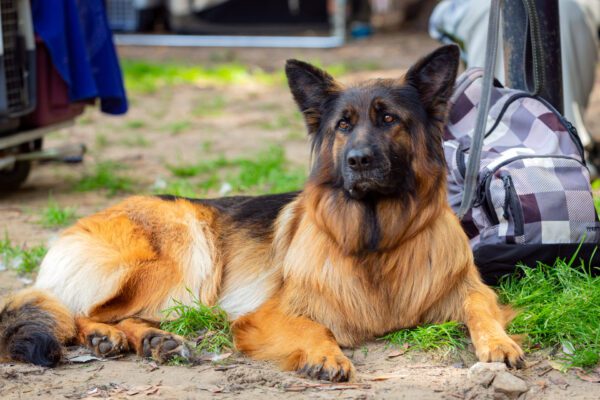
How Much Does It Cost to Adopt a Long-Haired German Shepherd in Vermont?Most adopters in Vermont pay $300 to $500 to adopt an adult Long-Haired German Shepherd. Puppies or adults with extensive training sometimes cost $550 to $650. Fees vary with age, training level, recent medical care, and local demand for the breed. Adoption fees often include spaying or neutering, vaccinations, microchipping, and veterinary exams. Many groups also provide heartworm testing and flea and tick prevention for the first month. If transport is needed, expect an added charge that covers the cost of safe travel coordination. Supplies such as a crate, a high-quality leash, and grooming tools add to your first-week budget. |
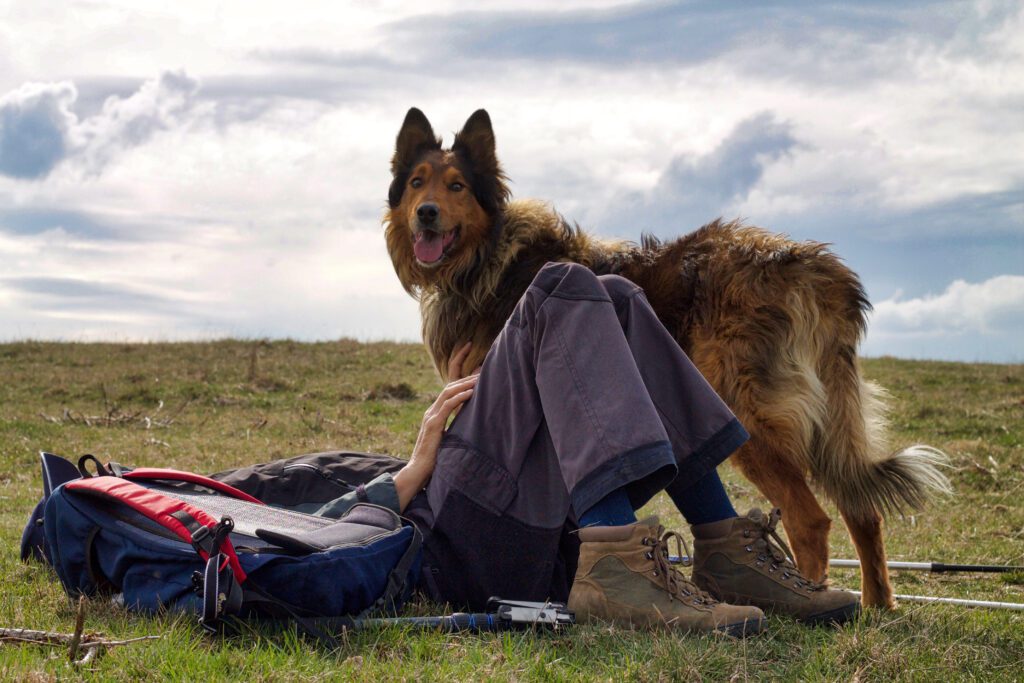
How Should I Train a Long-Haired German Shepherd?The Long-Haired German Shepherd is highly intelligent and learns fast when training stays clear and consistent. Positive reinforcement builds trust and keeps a sensitive dog engaged. Marker training, short sessions, and quick rewards help the dog practice the right choice again and again. Common challenges include strong herding impulses, mouthiness during play, protective barking, and pulling when excitement rises. Early socialization with calm, neutral exposure helps the dog stay confident in new places. Daily work should mix physical exercise with mental tasks like obedience patterns, nosework games, fetching to hand, and place training. Plan for 60 to 90 minutes of total activity split into morning and evening sessions so the dog can relax indoors afterward. Structured learning at home makes the biggest difference. You can follow step-by-step lessons through Dog Academy’s online training courses. Courses cover puppy foundations, loose-leash walking, recall, confidence building, and polite greetings. Clear lessons keep progress steady and help the whole family handle the dog in the same way. |
|
The best match is an owner who enjoys daily activity, likes to train, and has time for brushing a long coat. A fenced yard is helpful for play, though committed apartment adopters can succeed with planned walks, enrichment toys, and calm decompression time after exercise. This breed thrives when you set a routine and give the dog a real job to do.
Prepare your home, line up a veterinarian, and plan your first month of training before you bring a dog home. Take your time, ask clear questions, and choose the personality that fits your life. When you are ready, explore current listings and start your journey with confidence at Dog Academy.

Introducing a new puppy to your current dog is often an exciting process, and many dogs will become fast friends and eas...
Read More
Rescue dogs can make great companions and can transform your home into something better. These dogs make great pets and ...
Read More
You should never rush to pet a dog. Even dog owners make the mistake of approaching unfamiliar dogs and petting them rig...
Read More
Puppy mill dogs are survivors who have endured extreme hardships in their lives. They have grown up in horrendous, unsan...
Read More
With their wagging tails and comforting presence, adopting a dog can add a unique touch to your life. It’s a heart...
Read More
Older dogs may have a few gray hairs around the edges, but that doesn’t mean they can’t make wonderful companions! T...
Read More