



























































































































































































Introducing a new puppy to your current dog is often an exciting process, and many dogs will become fast friends and eas...
Read MoreAdopt Me

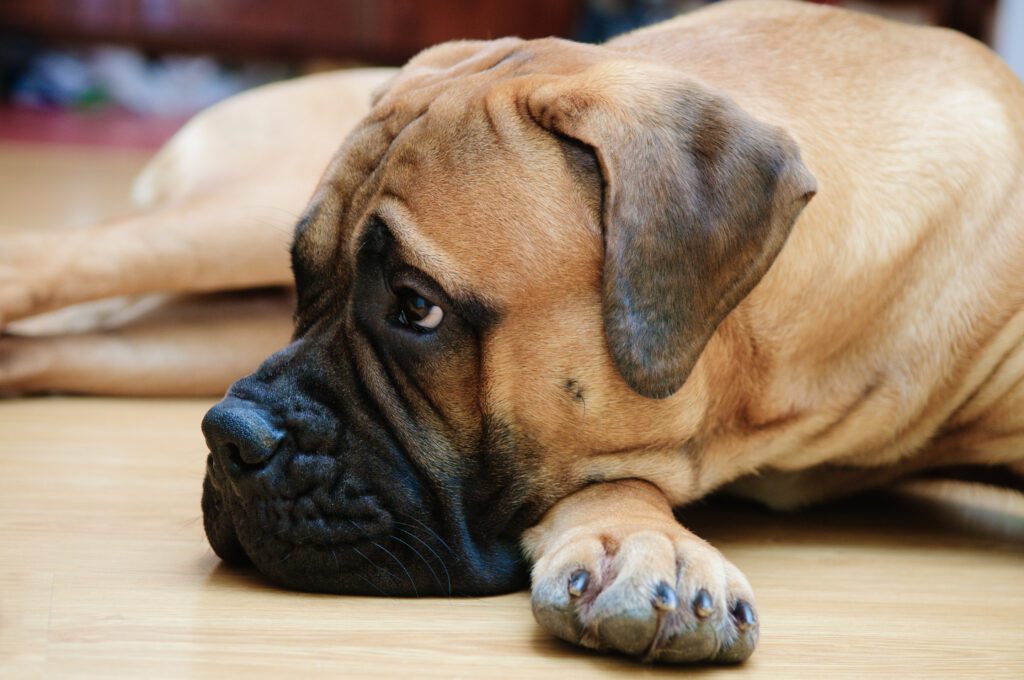
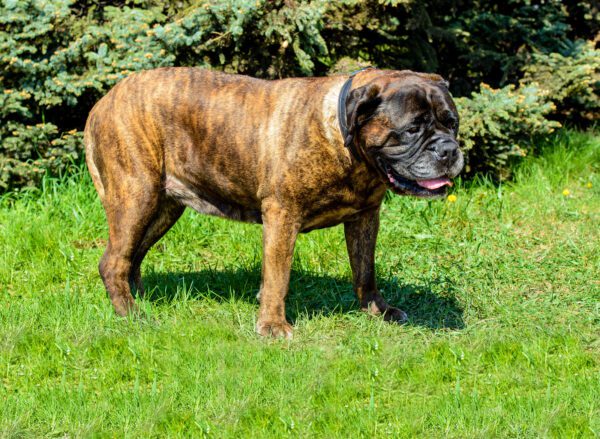
Bullmastiffs win hearts with calm confidence, steady loyalty, and a deep desire to be close to their people. The breed is powerful yet gentle, which makes it a strong family companion when matched with consistent training and thoughtful socialization. Before you adopt a Bullmastiff in Vermont, you should learn about the breed’s size, exercise needs, health considerations, and temperament so you can make a decision that fits your home and lifestyle.
Adoption gives a deserving dog a second chance and provides you with insight into the dog’s behavior and health history. Many adoptable Bullmastiffs come from loving homes that could not keep them due to life changes, and they often arrive already house-trained or crate-trained. Adoption also supports humane practices and allows you to invest your budget in training, nutrition, and preventive veterinary care rather than a purchase price.
Vermont offers peaceful towns, quiet rural roads, and four distinct seasons. A Bullmastiff can thrive here with moderate daily exercise, sturdy winter gear, and limited exposure during very cold snaps. Summer humidity can challenge a large, brachycephalic breed, so you should schedule walks in the morning or evening and provide shade and water at all times. Mud season and snowy trails call for good paw care and traction. A secure yard and steady routines suit this guardian breed well in both city neighborhoods and country settings.
You can avoid searching rescues and shelters separately by browsing adoption listings through Dog Academy. You can filter by location, age, and size, then follow a clear checklist that explains paperwork, home preparation, and first-week routines. You can also read educational guides that cover breed needs, safe introductions, and supplies for your first days at home.
Adoptable Bullmastiffs in Vermont are most often found through local animal shelters, regional rescues, and breed-specific rescue groups. You should read each profile closely to confirm age, weight, medical history, energy level, and compatibility with children or other pets. Large guardian breeds have unique needs, so you should look for signs of solid temperament, manageable energy, and a history of positive experiences with people.
The process usually starts with browsing listings and submitting an application. Applications typically request household details, landlord permission if you rent, veterinary references, and a plan for exercise and training. After approval, the next steps often include a phone interview, a meet-and-greet, and a home check. A meet-and-greet lets you assess leash manners, handling comfort, and the dog’s response to new environments. A home check can be in person or virtual, and it verifies safety measures such as secure fencing, stable stairs, and safe storage for food and medications.
Approval timelines vary based on the dog’s needs and the volume of applicants. Straightforward placements often finalize within 1 to 3 weeks. Dogs with medical needs, behavior plans, or transport requirements may take longer. Some rescues arrange transport to move dogs between locations when the best match lives outside the immediate area. Transport is usually coordinated with volunteer drivers or licensed carriers, and it may involve a health certificate and an additional fee.
|
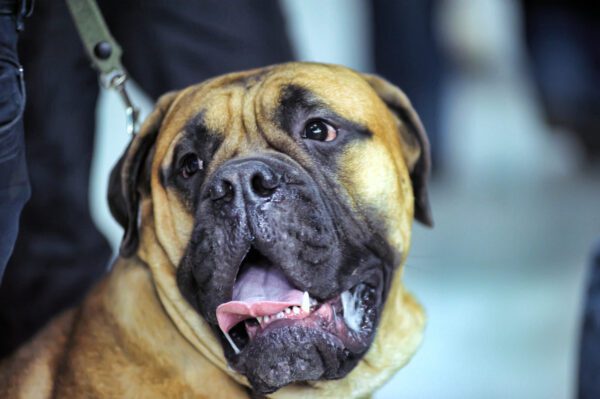
How Much Does It Cost to Adopt a Bullmastiff in Vermont?Most adopters in Vermont can expect to pay about $300 to $550 for an adult Bullmastiff. This estimate reflects the breed’s size, the higher cost of spaying or neutering a large dog, and the medical screening often provided before adoption. Puppies and young adolescents may cost more due to demand and early vaccination schedules, and fees for those ages often land closer to $500 to $700. Adoption fees usually include spaying or neutering, vaccinations, microchipping, and veterinary exams. Costs can increase when the dog receives dental care, specialist consultations, or training support. Age, training history, and medical treatment affect pricing in a direct way. Demand also plays a role when applicants outnumber available dogs. |
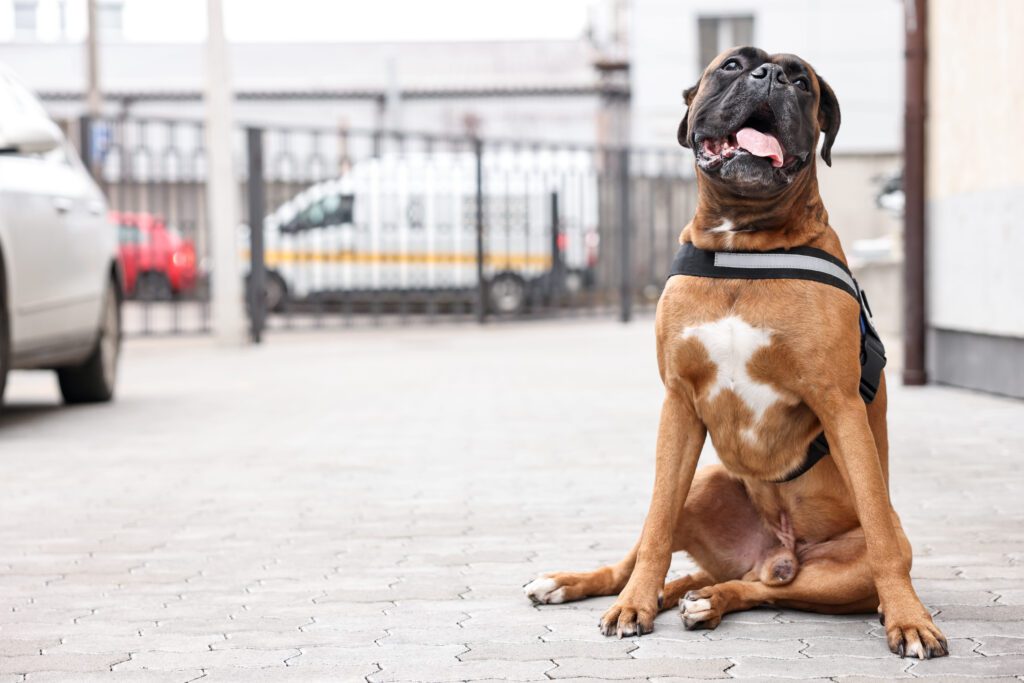
How Should I Train a Bullmastiff?Bullmastiffs are intelligent, observant, and eager to bond with their families. They respond best to calm leadership, clear structure, and rewards that matter to them. Positive reinforcement builds trust and encourages thoughtful choices from a dog that can weigh well over 100 pounds. You should keep sessions short and engaging, and you should end sessions while your dog is still interested and relaxed. Common challenges include stubborn moments, sensitivity to harsh corrections, and protective instincts that can increase without proper socialization. You should focus early on loose-leash walking, recall, impulse control around doors and food, comfortable handling for grooming and vet care, and polite greetings. Careful socialization teaches your Bullmastiff to remain neutral around strangers and to settle in new places. Structured guidance helps both new and experienced owners stay consistent. You can build a training plan with step-by-step lessons through Dog Academy’s online training courses. You will find modules on foundation skills, leash manners, confidence building, and behavior problem prevention that fit a large guardian breed. |
|
The ideal Vermont adopter is patient, consistent, and ready to guide a powerful but gentle dog. A Bullmastiff fits best with people who value daily structure, quiet companionship, and moderate exercise. A secure yard, a plan for winter and summer weather, and a budget for quality food and preventive care set you up for success.
Take your time as you review listings, speak with adoption counselors, and meet dogs in person. Prepare your home, gather supplies, and line up a training plan before adoption day. With thoughtful research and a steady routine, you can adopt a Bullmastiff in Vermont and welcome a loyal companion who thrives in every season of the Green Mountain State.

Introducing a new puppy to your current dog is often an exciting process, and many dogs will become fast friends and eas...
Read More
Rescue dogs can make great companions and can transform your home into something better. These dogs make great pets and ...
Read More
You should never rush to pet a dog. Even dog owners make the mistake of approaching unfamiliar dogs and petting them rig...
Read More
Puppy mill dogs are survivors who have endured extreme hardships in their lives. They have grown up in horrendous, unsan...
Read More
With their wagging tails and comforting presence, adopting a dog can add a unique touch to your life. It’s a heart...
Read More
Older dogs may have a few gray hairs around the edges, but that doesn’t mean they can’t make wonderful companions! T...
Read More