



















































































































































































Introducing a new puppy to your current dog is often an exciting process, and many dogs will become fast friends and eas...
Read More
How to Introduce a New Puppy to Your Dog

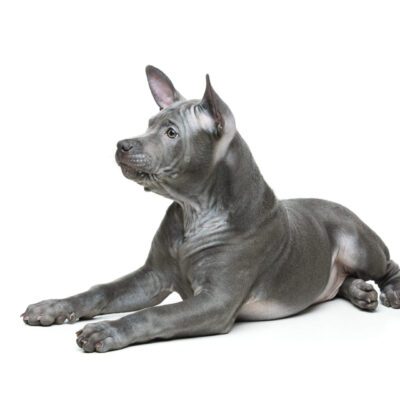
The Blue Lacy is a driven, athletic, and intelligent working breed that thrives with purpose. This dog bonds closely with family, shows impressive scenting ability, and brings a calm focus to tasks once trained. A Blue Lacy wants daily mental challenges and structured exercise, which makes the breed a rewarding partner for active Vermonters who value outdoor time and teamwork.
Thoughtful research before adoption protects both you and the dog. Understanding energy level, exercise needs, and training priorities ensures a strong match. Adopting rather than buying gives a dog a second chance, supports animal welfare in your region, and helps reduce irresponsible breeding. Adoption also connects you with support networks that can guide you after you bring your dog home.
Vermont’s forests, trails, and rural spaces suit a Blue Lacy that enjoys hiking, running, tracking, or farm chores. The state’s cold winters require planning because this breed has a short coat and minimal insulation. A Blue Lacy in Vermont needs winter gear, safe footing, and shorter sessions in extreme cold. With good management and a consistent routine, the breed adapts well and thrives year-round.
You can avoid searching shelters and rescues one by one by using Dog Academy to browse current adoption listings across multiple sources. Dog Academy also offers educational guides and adoption checklists that help you prepare your home, choose supplies, and plan your first weeks with a new dog. In Vermont, you can find adoptable Blue Lacys through local animal shelters, regional rescues, foster-based groups, and breed-specific rescue groups that serve New England.
Start by browsing listings and reading full profiles. Look for notes on energy level, prey drive, experience with children, and compatibility with other pets. A Blue Lacy’s working heritage means the dog needs daily structure and purposeful activity. Make sure your schedule, property, and lifestyle can meet those needs before you apply.
Most organizations use a similar process. You submit an application with references, proof of housing permission when relevant, and a description of your routine. A coordinator reviews your application, then schedules a phone interview to discuss training plans and expectations. Meet-and-greets happen at shelters or with foster families, which lets you see the dog’s behavior in a real setting. Many groups perform home checks through virtual video or in-person visits to confirm safety, fencing, and a plan for exercise. Approval timelines often range from 1 to 3 weeks and depend on how quickly references respond and how soon a meet-and-greet can occur.
If you cannot find a Blue Lacy nearby, do not give up. Rescues sometimes arrange transport to move dogs between states when an approved adopter is a strong match. Transport is often coordinated through volunteer drivers or licensed carriers, and groups explain schedules, health certificates, and pickup locations in advance. You may pay a separate transport fee that covers logistics outside the adoption fee.
Most adopters in Vermont can expect to pay $325 to $425 to adopt a Blue Lacy through a shelter or rescue. This range reflects typical costs in the region and the breed’s relative rarity, which can increase demand and coordination needs.
Adoption fees usually include spaying or neutering, vaccinations, microchipping, and veterinary exams. Fees can rise if the dog received extensive medical care or professional training, and fees can be lower for seniors or special-needs dogs. Many groups charge a separate transport fee when moving a dog from another state, which commonly covers health certificates and travel coordination. Age, training history, medical needs, and adopter demand all influence the final price.
The Blue Lacy is intelligent, task-driven, and eager to work with a trusted handler. Consistent training with clear structure helps focus the dog’s energy into useful skills like reliable recall, loose-leash walking, and scent games. Positive reinforcement builds confidence and keeps this sensitive breed engaged. Marker training, food rewards, and well-timed play help the dog learn quickly without stress.
Common challenges include high prey drive, intense focus that can tip into fixation, and frustration when the dog lacks a job. Daily outlets such as tracking, long hikes, canicross, or structured fetch keep behavior balanced. Early socialization, impulse control games, and calm exposures to new environments reduce reactivity. If you want guided support, explore Dog Academy’s online training courses, which offer step-by-step lessons for recall, leash manners, enrichment, and problem prevention tailored to active breeds.
The ideal adopter for a Blue Lacy in Vermont enjoys daily outdoor activity, values a training routine, and provides time for mental work every day. A safe yard, a winter plan with proper gear, and a commitment to ongoing enrichment set this breed up for success.
Take your time, ask detailed questions, and prepare your home before adoption. Use Dog Academy to review listings, compare candidates, and follow checklists that make each step clear. With patience and planning, you will find a Blue Lacy that matches your lifestyle and thrives in Vermont.
Introducing a new puppy to your current dog is often an exciting process, and many dogs will become fast friends and eas...
Read More
Rescue dogs can make great companions and can transform your home into something better. These dogs make great pets and ...
Read More
You should never rush to pet a dog. Even dog owners make the mistake of approaching unfamiliar dogs and petting them rig...
Read More
Puppy mill dogs are survivors who have endured extreme hardships in their lives. They have grown up in horrendous, unsan...
Read More
With their wagging tails and comforting presence, adopting a dog can add a unique touch to your life. It’s a heart...
Read More
Older dogs may have a few gray hairs around the edges, but that doesn’t mean they can’t make wonderful companions! T...
Read More