























































































































































































Introducing a new puppy to your current dog is often an exciting process, and many dogs will become fast friends and eas...
Read MoreAdopt Me

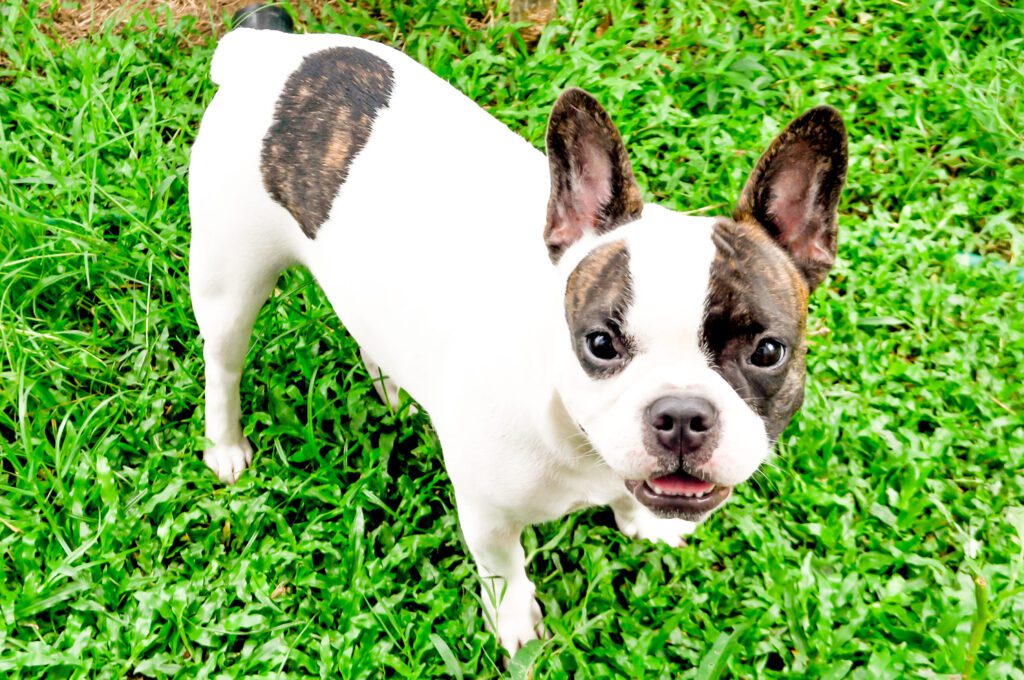

The Frenchton blends the charm of the French Bulldog with the pep of the Boston Terrier. This compact companion is affectionate, people focused, and playful. A Frenchton enjoys short bursts of activity, quick learning games, and long cuddles. Careful research matters because this brachycephalic mix has special health and lifestyle needs. Adoption gives a deserving dog a second chance and often lowers your upfront costs while supporting responsible rescue work.
Vermont offers four distinct seasons that can suit a Frenchton when you plan well. Cold winters call for warm jackets and short outdoor breaks. Humid summers require shade, water, and indoor cooling. The state’s mix of small towns, quiet suburbs, and walkable neighborhoods works nicely for a moderate-exercise breed that thrives on short daily walks. Gentle trails and calm streets are a good fit, while steep hikes or long runs can overwhelm a short-nosed dog. With mindful routines, a Frenchton can live happily in Vermont year-round.
You can skip searching rescues and shelters one by one by using Dog Academy. Browse adoptable Frenchtons in one place, filter by location, and follow clear steps to apply. Dog Academy also provides educational guides and adoption checklists that explain paperwork, home preparation, and first-week routines.
In Vermont, you can find adoptable Frenchtons through local animal shelters, regional rescues, and breed-specific rescue groups. Start by browsing listings, reading each profile carefully, and confirming that the dog’s energy level, health notes, and temperament match your home. Frenchtons often do best in climate-controlled homes with moderate exercise and attentive supervision, which means steady routines matter more than long, strenuous outings.
Most groups ask you to submit an application with identification, personal references, and landlord approval when applicable. Many teams schedule a phone interview to discuss lifestyle, daily schedule, and training plans. After the application review, you may attend a meet-and-greet to confirm compatibility. Some organizations complete a home check, which can be in person or virtual, to ensure safe spaces, secure doors, and proper supplies. Approval timelines commonly range from 1 to 3 weeks, although dogs with medical needs or higher demand can extend the process.
Regional rescues sometimes arrange transport to move dogs between locations when a better match is found in another area. Transport is the organized movement of adoptable dogs using volunteer drivers or licensed carriers. The rescue coordinates routes and schedules, and adopters often meet at set handoff points. A modest transport fee may apply to cover fuel and safety supplies.
|
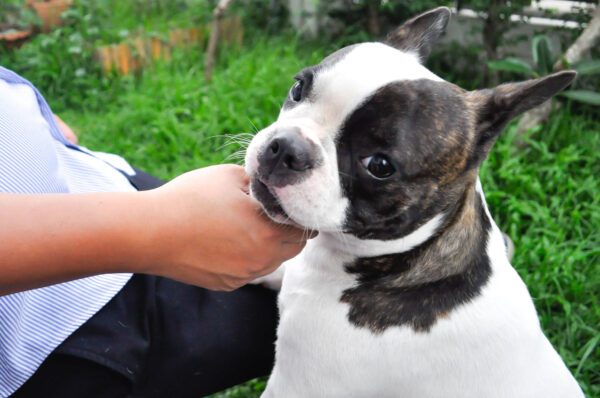
How Much Does It Cost to Adopt a Frenchton in Vermont?In Vermont, most shelters and rescues list Frenchtons between $300 and $550. Adults often fall near $350 to $450, while puppies usually sit at the top of the range. Fees reflect the dog’s age, current training, recent medical care, and local demand for this small companion breed. Adoption packages commonly include spaying or neutering, vaccinations, microchipping, and veterinary exams, which add real value and reduce initial costs after you bring your dog home. Expect higher fees for young dogs with recent preventive care or for dogs that received specialized treatment. Lower fees may apply to seniors or dogs that need ongoing medical support. If transport is arranged to move a dog into Vermont, many groups charge an additional $75 to $200 to cover safe travel. |
How Should I Train a Frenchton?Frenchtons are bright, people oriented, and eager to earn rewards. Short, focused sessions work best because this mix can lose interest during long drills. Use positive reinforcement, clear markers, and high-value treats. Keep sessions under 10 minutes, practice 2 to 3 times per day, and finish on a win to build confidence. A harness is safer than a collar for leash work because it protects the neck and supports a short-nosed dog’s breathing. Common challenges include stubborn streaks, mouthy play, and inconsistent house training. Address these with structure, patient repetition, and timely rewards for the exact behaviors you want. Socialization should stay calm and controlled. Introduce new people, sounds, and surfaces at a gentle pace, and provide rest breaks to prevent overheating. Crate training, loose-leash walking, and alone-time conditioning help a Frenchton settle into Vermont life with steady routines through every season. For step-by-step guidance, explore Dog Academy’s online training courses, which cover puppy foundations, manners, leash skills, and support for common behavior issues. |

|
The ideal Vermont adopter enjoys short daily walks, indoor enrichment, and cozy evenings with a lap-friendly companion. A Frenchton fits best in a home that offers climate control, patient training, and a schedule that allows frequent breaks. Preparation matters because thoughtful routines protect a brachycephalic dog’s health in both winter cold and summer humidity.
Take time to research, gather supplies, and plan your first month. When you feel ready, browse Dog Academy to compare profiles, ask clear questions, and choose a dog whose needs match your lifestyle. With care and consistency, your Vermont Frenchton will flourish.

Introducing a new puppy to your current dog is often an exciting process, and many dogs will become fast friends and eas...
Read More
Rescue dogs can make great companions and can transform your home into something better. These dogs make great pets and ...
Read More
You should never rush to pet a dog. Even dog owners make the mistake of approaching unfamiliar dogs and petting them rig...
Read More
Puppy mill dogs are survivors who have endured extreme hardships in their lives. They have grown up in horrendous, unsan...
Read More
With their wagging tails and comforting presence, adopting a dog can add a unique touch to your life. It’s a heart...
Read More
Older dogs may have a few gray hairs around the edges, but that doesn’t mean they can’t make wonderful companions! T...
Read More