



























































































































































































Introducing a new puppy to your current dog is often an exciting process, and many dogs will become fast friends and eas...
Read MoreAdopt Me

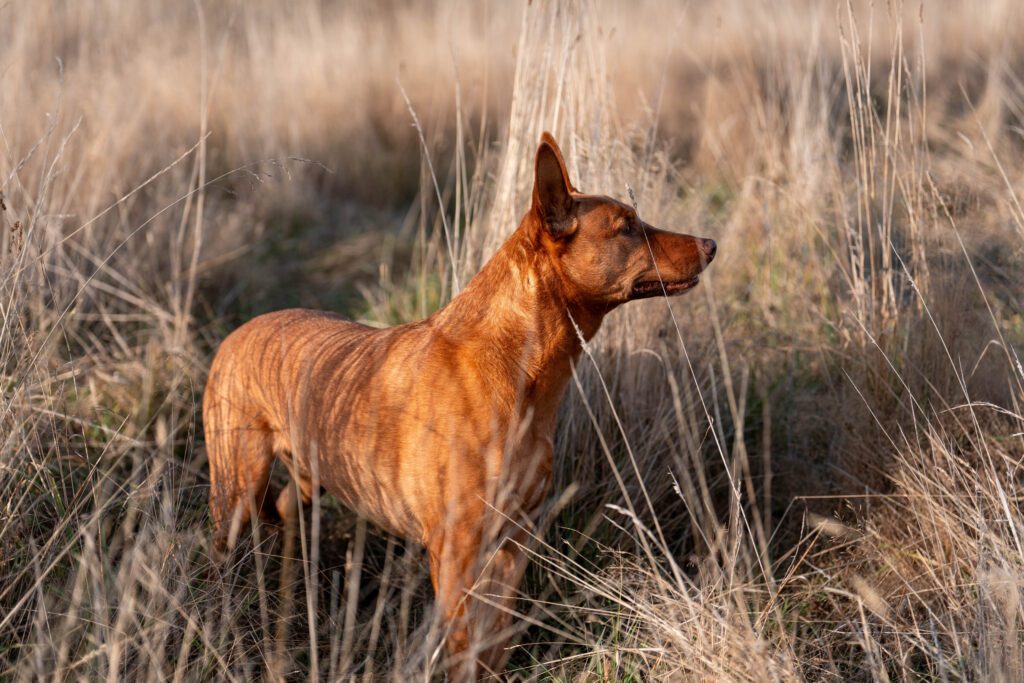
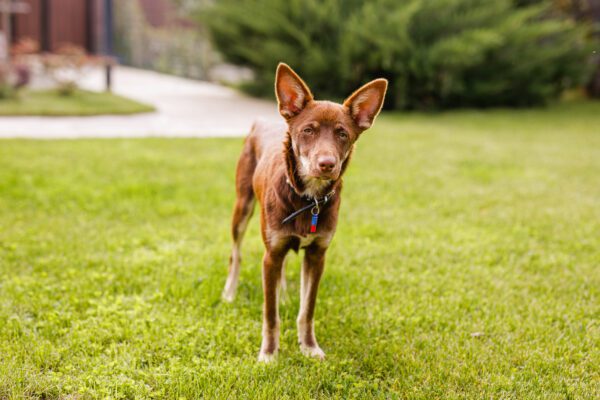
The Australian Kelpie is a quick, intelligent, and athletic herding dog that bonds closely with an engaged owner. This breed thrives when given a daily job, consistent training, and ample exercise. A well-matched Kelpie brings sharp focus, loyalty, and playful energy to an active Vermont household.
Careful research always leads to better outcomes. Adoption gives a dog in need a safe home while giving you support and transparency about health and temperament. Vermont’s four-season climate brings both benefits and challenges for this breed. Kelpies have a weather-resistant coat that handles cool temperatures during activity, yet they still need warm shelter, limited exposure during deep cold, and a winter jacket during frigid snaps. Summers in Vermont can feel warm and humid, so shade, water, and rest are essential.
Vermont’s mix of rural land, mountain trails, and small towns can suit a Kelpie well. Daily hikes, structured fetch, and skill work on quiet roads or fields keep this high-drive dog satisfied. Consistent mental stimulation is essential in any season. A secure fence, steady routines, and time for training help channel natural herding instincts into calm, reliable behavior.
You can avoid searching rescues and shelters one by one by browsing listings through Dog Academy. You can filter by location, age, and temperament to narrow your options quickly. Dog Academy also offers educational guides and adoption checklists that help you prepare your home, evaluate a match, and plan the first weeks after adoption.
Adoptable Kelpies and Kelpie mixes appear through local animal shelters, regional rescues, breed-specific rescue groups, and foster-based networks. Some dogs may be listed as herding mixes or medium working dogs. Read each profile closely and confirm details like energy level, exposure to livestock, and comfort with cats or children.
The process usually starts with browsing listings and submitting an application. Applications often request identification, landlord approval when you rent, and personal or veterinary references. Many groups arrange a meet-and-greet to see how you and the dog connect. Home checks can be virtual or in person to confirm safe fencing, secure trash, and a quiet rest area. Approval timelines vary with volunteer availability and the dog’s needs, and you can expect a typical timeline of 3 to 14 days in Vermont.
Some rescues arrange transport to move dogs between locations when a great match is found. Transport is often coordinated by volunteers or partner services that move fully vetted dogs on scheduled routes. You receive pickup instructions, proof of vaccinations, and guidance for the first days at home. Transport can add a modest fee that helps cover fuel, route coordination, and a health certificate issued by a veterinarian.
|
How Much Does It Cost to Adopt a Kelpie in Vermont?Expect most Vermont adoption fees for a Kelpie or Kelpie mix to fall between $250 and $450 for an adult and between $350 and $550 for a puppy. Fees reflect the dog’s care and often include spaying or neutering, vaccinations, microchipping, and veterinary exams. Trained adults with strong manners or sport foundations may sit near the top of the range. Age, recent medical care, and demand affect price. A dog that receives a dental cleaning or treatment before placement may cost more. Higher regional demand for active herding dogs can also influence pricing. If transport is arranged to bring your dog into Vermont, you may see an additional $50 to $200 to cover routing and a required health certificate. Plan for initial supplies like a crate, bed, food, bowls, leash, harness, and toys, which often total $200 to $400. Budget for ongoing food, preventive veterinary care, and training. |
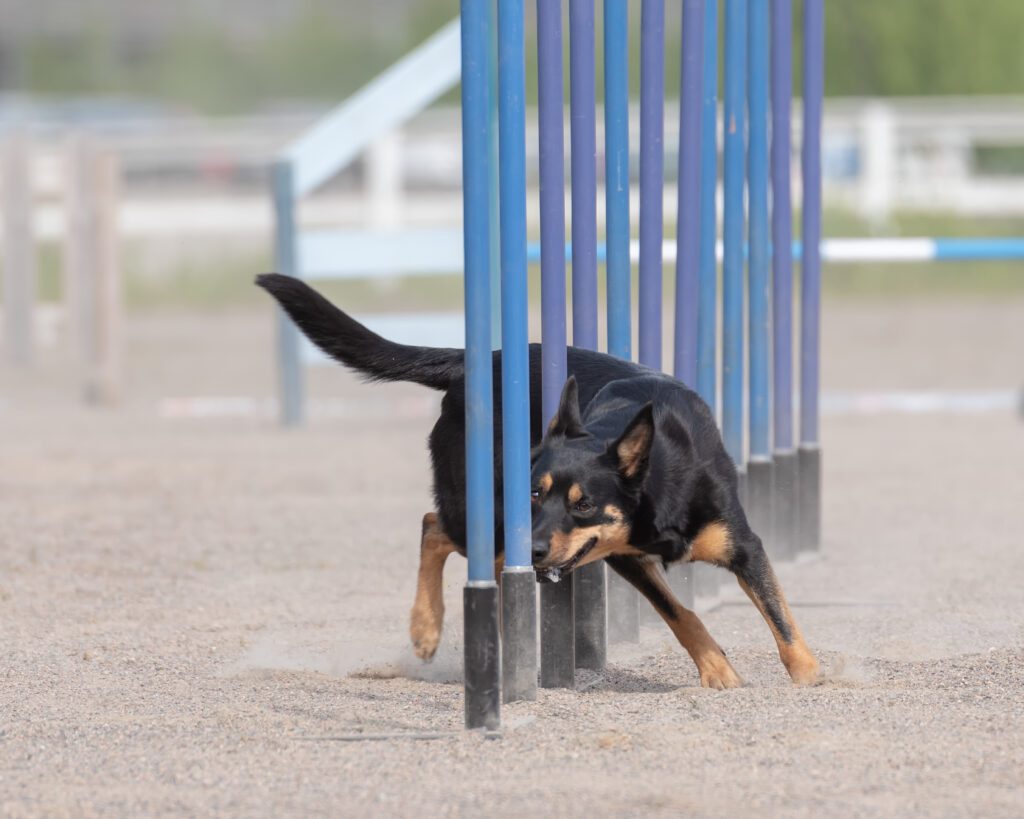
How Should I Train a Kelpie?Kelpies are intensely smart, eager, and fast learners. Clear structure and positive reinforcement unlock impressive focus and responsiveness. Use high-value rewards, a marker word, and short sessions that end on success. Build skills step by step, proof behaviors in quiet spaces first, and gradually add distractions. Common challenges include herding nipping at heels, motion sensitivity, and a strong chase drive. You can reduce these tendencies by teaching a reliable recall, a solid leave-it, and impulse control through sit-stay and down-stay. Provide daily mental work through nosework, puzzle feeders, trick training, and agility-style exercises that give clear outlets for energy. Calm behavior grows when you teach settle on a mat and reinforce quiet choices at home. Early and ongoing socialization prevents fear or reactivity. Introduce new people, friendly dogs, farm animals, and novel surfaces in controlled, positive ways. If you want structured help, explore Dog Academy’s online training courses, which offer step-by-step lessons for obedience, impulse control, recall, and enrichment tailored to energetic breeds. |
|
The ideal Vermont home for a Kelpie belongs to an active person or family that enjoys daily hikes, jogging on safe routes, farm chores, or dog sports. A consistent schedule, a secure yard, and time for training set the stage for success. Winter gear, traction on icy paths, and plenty of enrichment keep this working dog comfortable and engaged.
Adoption rewards patience and preparation. Take time to research, ask questions, and meet more than one dog. When you feel confident in your match, you give a bright, driven companion the structure and love that a Kelpie needs to thrive in Vermont.

Introducing a new puppy to your current dog is often an exciting process, and many dogs will become fast friends and eas...
Read More
Rescue dogs can make great companions and can transform your home into something better. These dogs make great pets and ...
Read More
You should never rush to pet a dog. Even dog owners make the mistake of approaching unfamiliar dogs and petting them rig...
Read More
Puppy mill dogs are survivors who have endured extreme hardships in their lives. They have grown up in horrendous, unsan...
Read More
With their wagging tails and comforting presence, adopting a dog can add a unique touch to your life. It’s a heart...
Read More
Older dogs may have a few gray hairs around the edges, but that doesn’t mean they can’t make wonderful companions! T...
Read More