



























































































































































































Introducing a new puppy to your current dog is often an exciting process, and many dogs will become fast friends and eas...
Read MoreAdopt Me

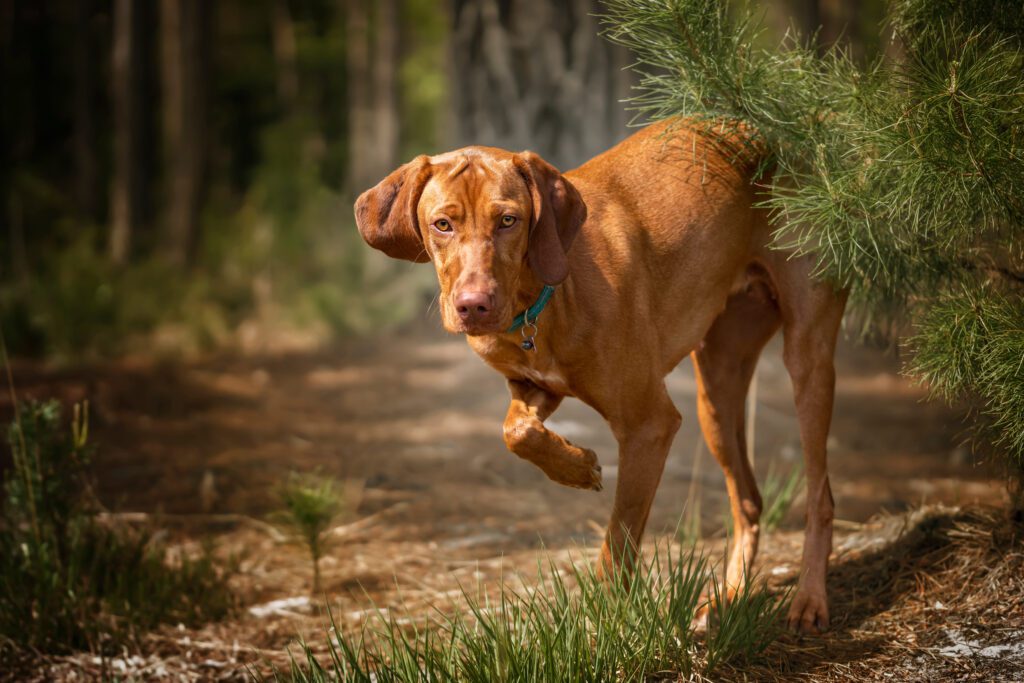

The Vizsla is a devoted, athletic, and affectionate companion that bonds closely with people. This breed craves daily exercise, mental stimulation, and time by your side. Research matters because the Vizsla’s sensitivity and energy require thoughtful training, consistent structure, and a lifestyle that meets both body and mind.
Adoption helps a dog in need and often provides clearer insight into temperament and energy level. Fosters and staff share what the dog already knows, which makes the transition smoother. Choosing to adopt also supports responsible animal welfare while reducing pressure on breeding.
Vermont offers forests, trails, and wide open spaces that suit an outdoor-loving Vizsla. Winters run cold and long, which means your Vizsla needs a warm coat, limited exposure in frigid temps, and safe footing on ice. Rural roads and wildlife make reliable recall and leash manners essential. Apartment life can work if you commit to daily exercise, structured training, and enrichment every single day.
You can skip searching shelters and rescues one by one by using Dog Academy. The adoption listings let you browse Vizslas from local animal shelters, regional rescues, and breed-specific rescue groups in one place. Dog Academy also provides educational guides and practical adoption checklists so you can prepare with confidence.
Start by browsing listings and reading each biography in full. Look for notes on exercise needs, social comfort with children or other pets, house training progress, and energy level. Ask clear questions about behavior, medical history, and any known triggers. Understanding these details helps you match a Vizsla’s needs to your home and schedule.
Most organizations use an application that requests personal information, veterinary references, proof of housing, and landlord approval when required. Share your training plan, daily routine, and exercise strategy. Meet-and-greets often follow. These meetings introduce the dog to you and to any resident dogs in a neutral, low-stress setting. Many groups complete a home check to confirm safety, fencing, and space for exercise. Home checks may be virtual or in person depending on location and volunteer availability.
Timelines vary by organization and demand. Straightforward adoptions can move from application to approval within 3 to 14 days. Some applicants wait longer during busy seasons or when many people apply for the same dog. Stay responsive, provide complete information, and keep communication open.
Transport is sometimes arranged by rescues to move dogs between locations when the best match lives elsewhere. Transport usually means a scheduled trip with approved drivers or a licensed carrier, health certificates, and a set pickup point. The process keeps the dog safe and helps you adopt the right match even if you live several hours away. You may be asked to share transport costs or meet partway.
|
How Much Does It Cost to Adopt a Vizsla in Vermont?Most adopters in Vermont pay about $350 to $550 to adopt a Vizsla. Puppies often land near $500 to $650 because demand is high and early care costs more. Fees vary based on age, prior training, medical care, and overall demand for the breed. Medical investments typically include spaying or neutering, vaccinations, microchipping, and veterinary exams, which raise costs but reduce your immediate expenses after adoption. Older dogs and dogs with completed training may sit near the middle of the range because they are easier to place and already prepared for home life. Dogs that receive advanced medical care before adoption can cost more because the provider has already paid those bills. |
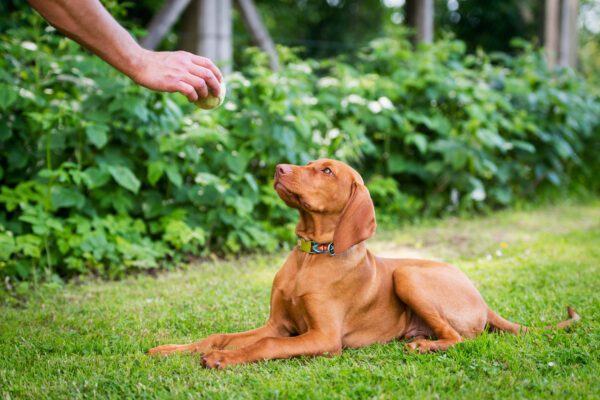
How Should I Train a Vizsla?The Vizsla is intelligent, eager, and sensitive, which makes positive reinforcement the best approach. Reward-based methods build trust, speed learning, and reduce anxiety. Keep sessions short and upbeat, and end every session with success. Harsh corrections shut this breed down and slow progress. Focus first on recall, loose-leash walking, impulse control, crate training, and calm time alone. Reliable recall protects your dog around wildlife and open spaces. Leash skills make winter walks safer on slick surfaces. Crate training supports house manners and helps prevent separation anxiety. Provide daily mental work through scent games, retrieving, and problem-solving activities. If you want step-by-step support, explore Dog Academy’s online training courses. Courses cover puppy foundations, recall, leash manners, crate training, and separation-anxiety support. You get practical lessons, clear homework, and progress tracking that fit a busy Vermont lifestyle. |
|
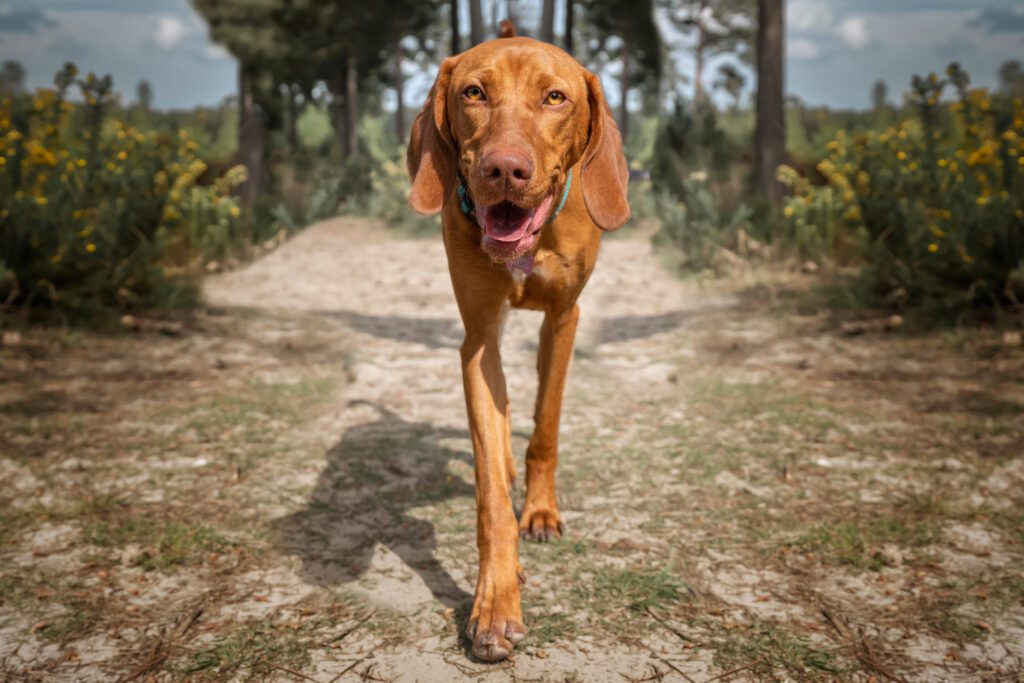
The ideal Vermont adopter is active, patient, and present. You enjoy daily outdoor time, structured training, and calm companionship indoors. You plan for winter gear, safe footing, and regular enrichment when storms keep you inside. Preparation matters because a Vizsla thrives on routine, exercise, and close connection.
Take your time, ask thorough questions, and choose the match that fits your home and goals. Build a realistic plan for training, veterinary care, and seasonal exercise. When you feel ready, browse available dogs through Dog Academy and move forward with confidence.

Introducing a new puppy to your current dog is often an exciting process, and many dogs will become fast friends and eas...
Read More
Rescue dogs can make great companions and can transform your home into something better. These dogs make great pets and ...
Read More
You should never rush to pet a dog. Even dog owners make the mistake of approaching unfamiliar dogs and petting them rig...
Read More
Puppy mill dogs are survivors who have endured extreme hardships in their lives. They have grown up in horrendous, unsan...
Read More
With their wagging tails and comforting presence, adopting a dog can add a unique touch to your life. It’s a heart...
Read More
Older dogs may have a few gray hairs around the edges, but that doesn’t mean they can’t make wonderful companions! T...
Read More