





















































































































































































Introducing a new puppy to your current dog is often an exciting process, and many dogs will become fast friends and eas...
Read MoreAdopt Me

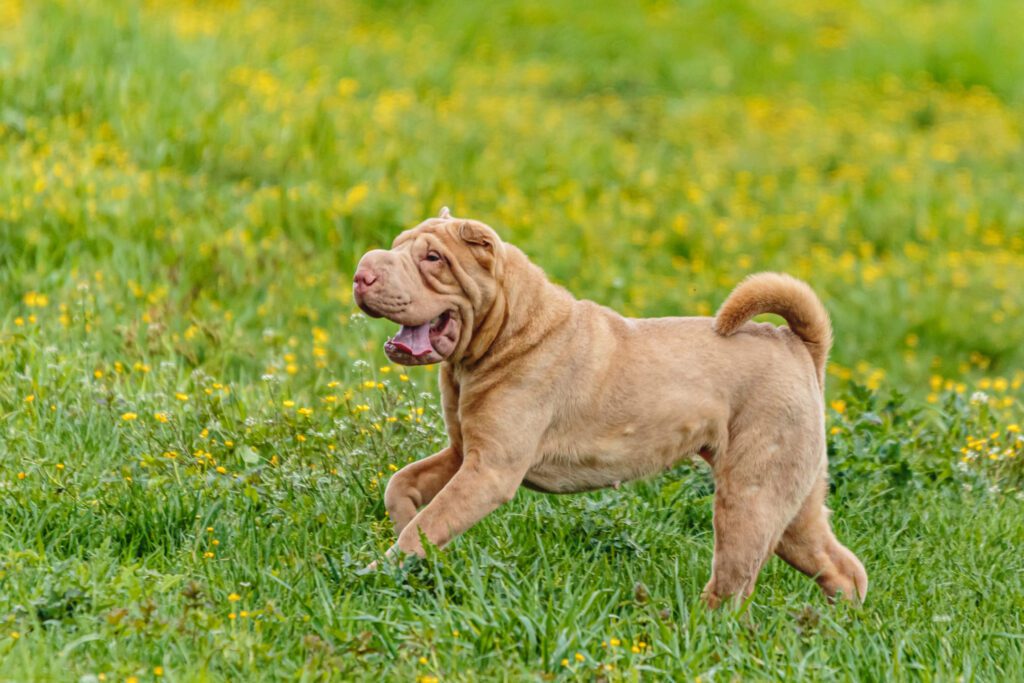

The Shar Pei is a devoted, confident, and quietly affectionate companion. This breed often bonds deeply with family and prefers calm routines. A Shar Pei enjoys moderate exercise, clear rules, and respectful handling. Careful research before adoption helps you understand health needs, grooming for skin folds, and the breed’s thoughtful yet independent nature.
Adoption gives a deserving dog a safe home and supports ethical placement. Adopted dogs typically arrive with essential veterinary care, which reduces early costs and stress. Choosing adoption also helps reduce demand for irresponsible breeding and gives you access to support from experienced volunteers and counselors.
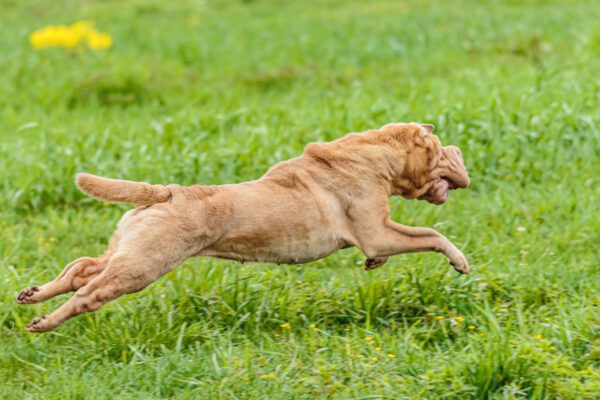
Vermont suits a Shar Pei when owners plan for the seasons. Winters are cold and snowy, so a warm coat and paw protection keep a Shar Pei comfortable on walks. Summers are humid, so shade and water help prevent overheating. Vermont’s trails, quiet roads, and small towns create peaceful spaces for daily exercise. Apartment living can work when you commit to daily walks, mental enrichment, and consistent training.
You can skip searching shelters and rescues separately by using Dog Academy to browse current adoption listings in one place. Dog Academy also offers step-by-step guides and checklists that help you prepare for applications, home safety, and the first week with your new dog. You can also check local animal shelters, regional rescues, breed-specific rescue groups, and foster-based networks that serve Vermont and nearby states.
Make sure the breed truly fits your home. A Shar Pei thrives with patient socialization, predictable routines, and calm introductions to new people and dogs. This breed benefits from regular skin and ear care and a veterinarian who understands issues like entropion and allergies. A good fit reduces returns and sets everyone up for success.
The process usually starts with browsing listings and reading full bios. Listings often describe age, energy level, health notes, and ideal home details. Submit a complete application with identification, references, and proof of residence. Renters usually need landlord approval that clearly allows dogs and specifies any size or breed rules.
Most groups schedule a phone interview to discuss lifestyle, training plans, and veterinary history for current or past pets. Meet-and-greets follow, which can include the whole household and resident pets. Home checks are common and can be virtual or in person to ensure safety, secure fencing when required, and suitable space. Approval timelines vary, though many Vermont placements finish in 1 to 3 weeks when paperwork is ready and scheduling is smooth. If the dog is outside your area, rescues sometimes arrange transport to move dogs between locations using volunteer drivers or licensed transporters who coordinate health certificates and safe rest stops.
Prepare for arrival before the adoption day. Set up a crate, a well-fitted harness, a leash, food and water bowls, and grooming tools for skin folds and ears. Stock winter gear for Vermont’s climate, including a warm coat and paw balm for salted roads. Plan a quiet decompression period so your Shar Pei can settle in safely and learn the new routine.
|
How Much Does It Cost to Adopt a Shar Pei in Vermont?In Vermont, Shar Pei adoption fees typically range from $300 to $550. Most adult dogs land near $350 to $450, while puppies and dogs with recent specialty care trend toward the upper end. Fees reflect age, training, recent medical care, and regional demand. Fees also help cover essentials such as spaying or neutering, vaccinations, microchipping, and veterinary exams. Breed-specific needs can influence cost as well, including entropion screening, allergy treatment, and skin fold care. Some organizations include starter supplies or post-adoption support, which can add value. Transport that brings a dog from another state may be included in the fee or charged as a separate, clearly stated expense, which covers safe travel and required health documentation. |
How Should I Train a Shar Pei?A Shar Pei is intelligent and observant, which makes learning fast when sessions are short and engaging. This breed can be independent and cautious with strangers. Clear structure, early socialization, and steady leadership help prevent confusion and reactivity. Many Shar Pei benefit from careful leash work, patient introductions to new dogs, and calm exposure to novel sounds and surfaces. Use positive reinforcement with high-value rewards, a predictable routine, and fair rules. Practice cooperative care for wrinkles, ears, and nails so handling feels safe and easy. Focus on house training, crate training, impulse control, and polite greetings. Break skills into small steps and reward progress to build confidence without stress. For expert guidance at home, explore Dog Academy’s online training courses. You can follow step-by-step lessons for puppy foundations, loose-leash walking, recall, and cooperative care. The courses help you solve common Shar Pei challenges with clear plans and friendly support. |

|
The ideal Shar Pei adopter enjoys a calm home, daily walks, and consistent training. A patient owner who values routine and gentle handling will see this breed’s loyalty and easygoing charm. Families with children can succeed when everyone learns respectful boundaries and supervised interactions.
Preparation makes adoption smooth and rewarding. Take time to research, gather supplies, and review your schedule for exercise and training. When you are ready, use Dog Academy’s adoption listings and educational guides to find a Shar Pei in Vermont that fits your life and to welcome your new companion with confidence.

Introducing a new puppy to your current dog is often an exciting process, and many dogs will become fast friends and eas...
Read More
Rescue dogs can make great companions and can transform your home into something better. These dogs make great pets and ...
Read More
You should never rush to pet a dog. Even dog owners make the mistake of approaching unfamiliar dogs and petting them rig...
Read More
Puppy mill dogs are survivors who have endured extreme hardships in their lives. They have grown up in horrendous, unsan...
Read More
With their wagging tails and comforting presence, adopting a dog can add a unique touch to your life. It’s a heart...
Read More
Older dogs may have a few gray hairs around the edges, but that doesn’t mean they can’t make wonderful companions! T...
Read More