


















































































































































































Introducing a new puppy to your current dog is often an exciting process, and many dogs will become fast friends and eas...
Read MoreAdopt Me

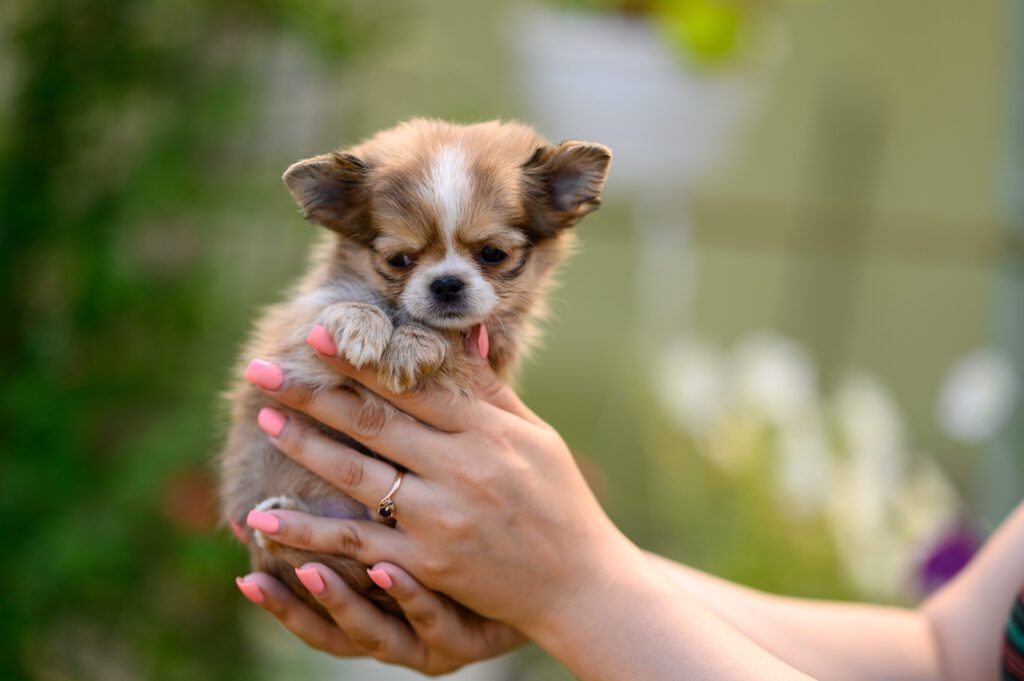
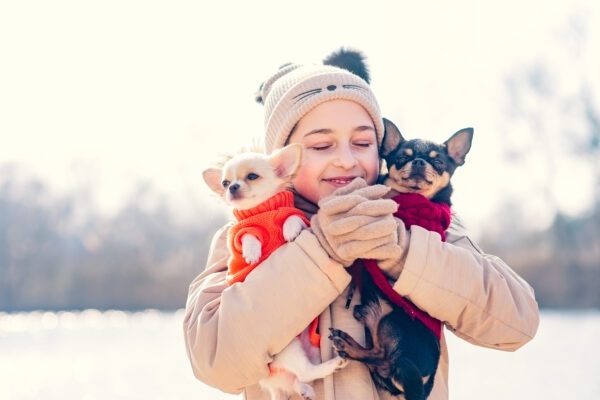
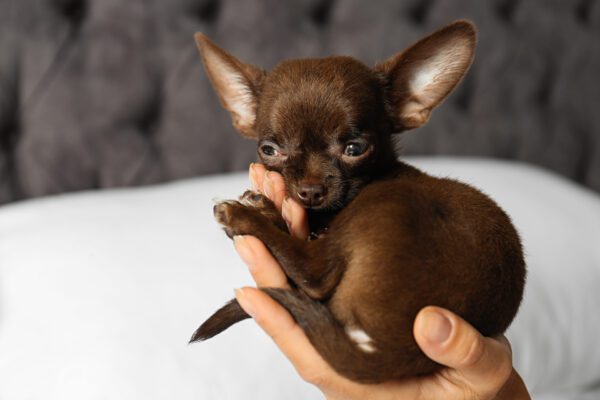
Teacup Chihuahuas are tiny companions with big personalities. They are affectionate, alert, and deeply loyal to their people. Their small size makes them easy to manage in compact homes, yet their confidence and spirit keep life lively. Thoughtful research matters because this delicate breed needs careful handling, steady routines, and protection from cold weather.
Adoption allows you to give a deserving dog a safe home while supporting animal welfare in your community. Adopted dogs often come with completed veterinary care, which helps you start strong. Vermont can suit a Teacup Chihuahua well because many towns favor walkable neighborhoods and cozy living. The state’s long winters present challenges that careful owners can overcome with planning.
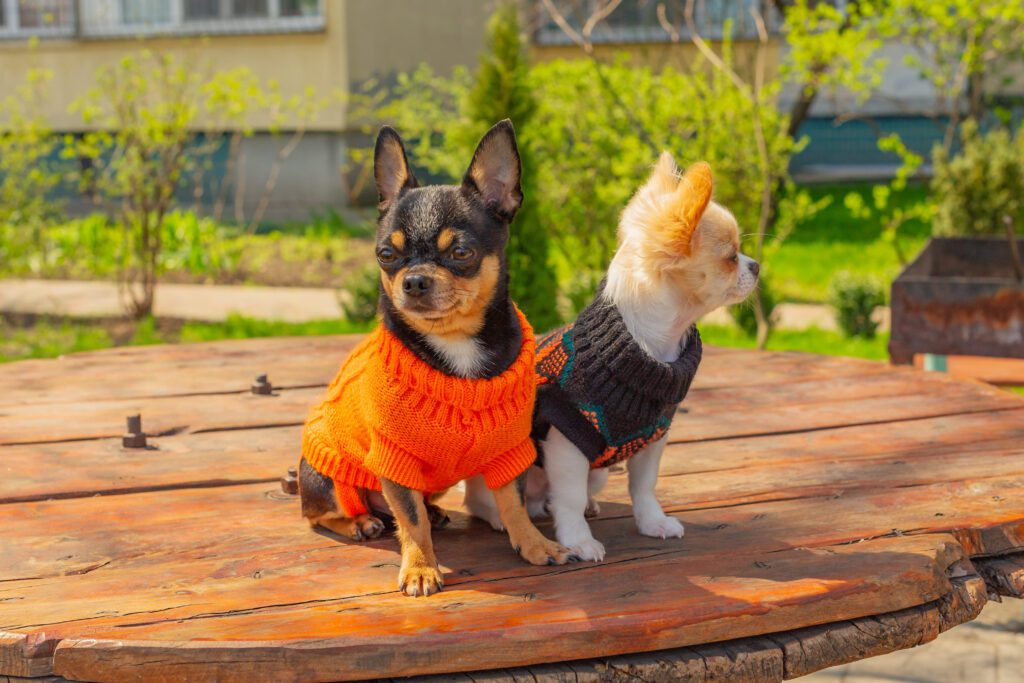
Vermont’s climate includes heavy snow, icy sidewalks, and brisk winds. The geography ranges from rural woods to small cities, which can mean encounters with wildlife and uneven terrain. A Teacup Chihuahua in Vermont needs warm layers, a snug harness, and short outdoor trips during frigid days. Indoor enrichment, puzzle feeders, and short play sessions help keep this small dog happy and active when the weather turns harsh.
You can skip searching shelters and rescues one by one by using Dog Academy. The adoption listings help you browse available dogs from multiple sources in one place. You can also use Dog Academy guides and adoption checklists to understand each step and to prepare your home before you apply.
Start by checking local animal shelters, regional rescues, breed-specific rescue groups, and foster-based networks that serve Vermont. Teacup Chihuahuas are popular, so availability can be limited. You may need to expand your search to nearby regions to find the right fit. Rescues sometimes arrange transport to Vermont after approval. Transport is often organized by volunteers or licensed carriers who move dogs safely between locations. The dog typically travels with a health certificate, and adopters usually meet at a designated pickup point after paying a modest transport fee.
Next, browse listings and read each bio carefully. Look for notes on energy level, medical needs, and behavior. Submit an application that explains your lifestyle, schedule, and experience with small dogs. Many groups ask for landlord permission if you rent, personal references, and a current veterinary contact if you have pets. Response times vary, yet many applicants receive an update within several days.
If your application progresses, you will schedule a meet-and-greet. This meeting usually happens at a shelter, a foster home, or a neutral public space. Handle a Teacup Chihuahua gently, and ask to see how the dog reacts to a harness and to being picked up. A home check may follow, which can be virtual or in person. Approval timelines often range from 1 to 3 weeks. Some placements move faster if your home is already set up with safe gates, a crate, and a warm bed. Finalization includes signing an adoption contract and paying the fee, then taking your new companion home with a plan for gradual decompression.
|
How Much Does It Cost to Adopt a Teacup Chihuahua in Vermont?Expect adoption fees for a Teacup Chihuahua in Vermont to average $300 to $550. Small purebred dogs tend to sit near the higher end because of strong demand and higher veterinary costs in New England. Puppies often cost more, while seniors cost less. Dogs that arrive with recent dental work or complex medical care can also be priced higher to offset expenses. Most fees include spaying or neutering, vaccinations, microchipping, and veterinary exams. Some organizations add bloodwork, dental cleanings, and deworming when needed. Age, training, medical care, and demand affect the final fee. A well-socialized adult that is house trained and leash trained may fall in the middle of the range. A puppy that needs frequent vet visits and extra training support may land at the top of the range. |
How Should I Train a Teacup Chihuahua?Teacup Chihuahuas are bright and eager, yet they can be strong willed. Positive reinforcement works best. Use soft, high-value treats and short, frequent sessions. Focus on name recognition, hand target, sit, down, and relaxed leash skills. House training can be challenging in winter, so create a cleared potty path outdoors or teach a consistent indoor potty station on a washable pad. Keep sessions upbeat, and end on a success to build confidence. Socialization should be slow and gentle. Pair new sights and sounds with rewards, and prevent rough handling. Teach a chin rest and a calm hold to make grooming and vet care easier. Use a harness and teach step training to protect fragile joints. Desensitize your dog to sweaters and booties so cold weather walks feel comfortable. If you want structured support, explore Dog Academy’s online training courses for small-dog manners, house training, and confidence building. |
|
The ideal home for a Teacup Chihuahua is calm, consistent, and attentive. A person who works from home or has a flexible schedule can offer frequent potty breaks and close supervision. Gentle children or adults who respect boundaries help this tiny dog feel safe. A secure yard or a well planned indoor play area protects small dogs from wildlife and cold weather risks.
Preparation leads to a smooth adoption. Gather warm layers, a well fitted harness, a soft crate, and safe chew toys before your dog arrives. Take your time, ask detailed questions, and trust the process. When you are ready, use Dog Academy to research, plan, and find an adoptable Teacup Chihuahua in Vermont with confidence.

Introducing a new puppy to your current dog is often an exciting process, and many dogs will become fast friends and eas...
Read More
Rescue dogs can make great companions and can transform your home into something better. These dogs make great pets and ...
Read More
You should never rush to pet a dog. Even dog owners make the mistake of approaching unfamiliar dogs and petting them rig...
Read More
Puppy mill dogs are survivors who have endured extreme hardships in their lives. They have grown up in horrendous, unsan...
Read More
With their wagging tails and comforting presence, adopting a dog can add a unique touch to your life. It’s a heart...
Read More
Older dogs may have a few gray hairs around the edges, but that doesn’t mean they can’t make wonderful companions! T...
Read More