










































































































Introducing a new puppy to your current dog is often an exciting process, and many dogs will become fast friends and eas...
Read MoreAdopt Me

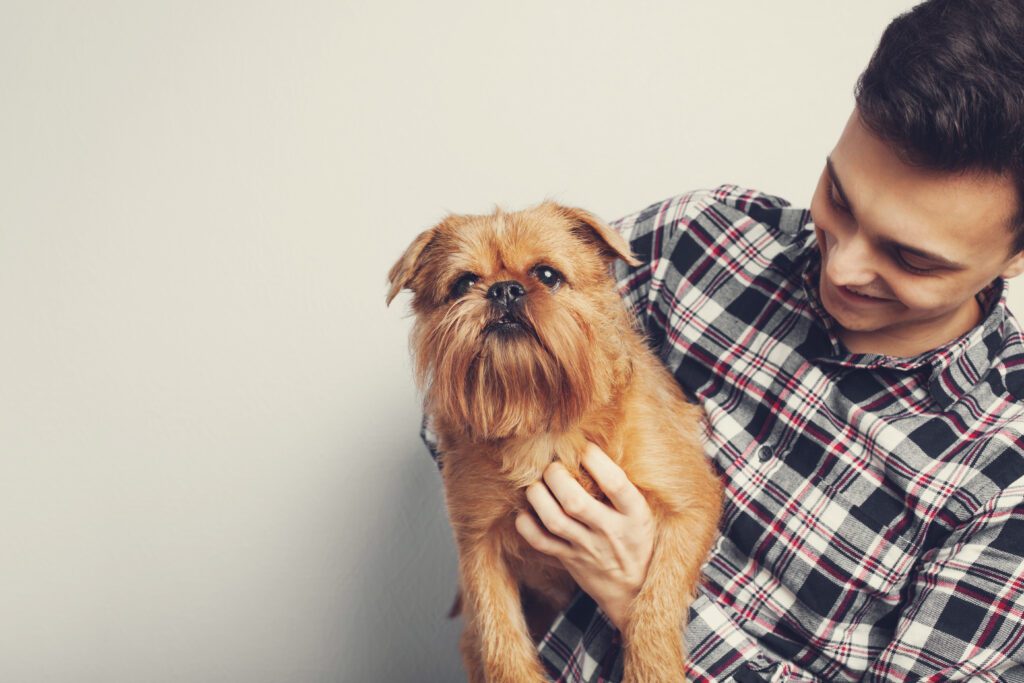

The Brussels Griffon is a small, expressive companion dog that bonds closely with people and thrives on attention. The breed is bright, sensitive, and spirited, which makes daily life entertaining and affectionate. Careful research before adoption ensures that the breed’s exercise needs, grooming needs, and training needs match your lifestyle. Adoption is often preferable to buying because it gives a dog a fresh start, supports community-based animal welfare, and usually includes essential veterinary care.
Vermont suits the Brussels Griffon when owners plan for weather and rural living. Winters are long and cold, and this small breed needs warm layers, limited outdoor time in severe weather, and safe indoor exercise. Summers are pleasant but humid days can still challenge short-muzzled dogs, so shade and water are important. Vermont’s mix of quiet towns, apartments, and hiking access works well when walks stay moderate, wildlife encounters are managed, and fencing or leashes keep a small dog safe.
You can avoid searching local animal shelters and regional rescues one by one by using Dog Academy to browse adoption listings in one place. Dog Academy also offers educational guides and adoption checklists that help you compare dogs, plan questions for counselors, and prepare your home. You can still reach out to local animal shelters, regional rescues, and breed-specific rescue groups, but a single, organized listing page saves time and keeps your notes in order.
Start by browsing listings to review each dog’s age, temperament, medical history, and location. Submitting an application usually includes personal references, veterinary references, landlord approval for renters, and a government-issued ID. Applications help teams match Brussels Griffons with homes that understand small-breed needs, including indoor living, gentle handling, and consistent training.
Most groups schedule a meet-and-greet after an initial review. The meet-and-greet often includes all household members and any resident dogs to confirm a safe match. Some groups complete a home check, which can be virtual or in person, to verify secure fencing, safe storage for medications, and setup for a small dog. Approval timelines in Vermont usually take 1 to 3 weeks, depending on volunteer availability, weather, and how quickly references respond.
If the right Brussels Griffon is outside Vermont, some rescues arrange transport to move dogs between locations. Transport is often organized with volunteer drivers or licensed carriers who move dogs by vehicle to a set meeting point. Groups typically finalize the adoption and confirm a recent health certificate before transport, which keeps the process safe and compliant.

|
How Much Does It Cost to Adopt a Brussels Griffon in Vermont?Most adopters in Vermont pay $350 to $550 for an adult Brussels Griffon. Puppies or highly sought young dogs may cost $500 to $700 due to greater demand and higher preventive care needs. Fees often include spaying or neutering, vaccinations, microchipping, and veterinary exams, which makes adoption a good value compared to paying for each service separately. Costs vary with age, training, and medical care. Seniors are usually on the lower end because demand is lower. Dogs with recent dental cleanings, recent laboratory tests, or professional training can sit on the higher end. Small-breed demand in New England also affects pricing, because many families prefer compact dogs that fit apartment living and travel plans. |
How Should I Train a Brussels Griffon?The Brussels Griffon is intelligent and eager to connect, which makes positive reinforcement very effective. Keep sessions short, upbeat, and consistent. Reward attention, loose-leash walking, and quiet settling. Harsh corrections can shut down a sensitive dog, so guide behavior with treats, toys, and praise. Early socialization builds confidence around visitors, children who know how to be gentle, and calm dogs in safe settings. House training can take time with a small bladder, so pair a regular schedule with crate training and frequent outdoor breaks. Many owners succeed with indoor backup options on icy days while keeping outdoor potty trips brief and rewarding. Teach cues for recall, place, and leave it to help a curious toy dog navigate trails and towns. If you want step-by-step help, explore Dog Academy’s online training courses, which provide clear lesson plans for obedience, leash skills, enrichment, and behavior issues such as barking or separation distress. |

|
The ideal adopter enjoys a close companion, keeps a small dog safe in cold weather, and provides daily mental exercise through training and play. A Brussels Griffon thrives with people who value indoor time, calm routines, and gentle handling, and who can plan short walks on Vermont’s sidewalks, paths, and quiet roads.
Preparation leads to a great match. Set a budget for adoption fees, supplies, and preventive care. Arrange a cozy crate, warm sweaters, and non-slip rugs for winter. Learn about grooming for smooth or rough coats so brushing and trims stay stress free. Take your time, ask questions, and use organized listings to compare options. With patience and planning, you can adopt a Brussels Griffon in Vermont and welcome a confident, loving companion into your home.
Introducing a new puppy to your current dog is often an exciting process, and many dogs will become fast friends and eas...
Read More
Rescue dogs can make great companions and can transform your home into something better. These dogs make great pets and ...
Read More
You should never rush to pet a dog. Even dog owners make the mistake of approaching unfamiliar dogs and petting them rig...
Read More
Puppy mill dogs are survivors who have endured extreme hardships in their lives. They have grown up in horrendous, unsan...
Read More
With their wagging tails and comforting presence, adopting a dog can add a unique touch to your life. It’s a heart...
Read More
Older dogs may have a few gray hairs around the edges, but that doesn’t mean they can’t make wonderful companions! T...
Read More