





















































































































































































Introducing a new puppy to your current dog is often an exciting process, and many dogs will become fast friends and eas...
Read MoreAdopt Me

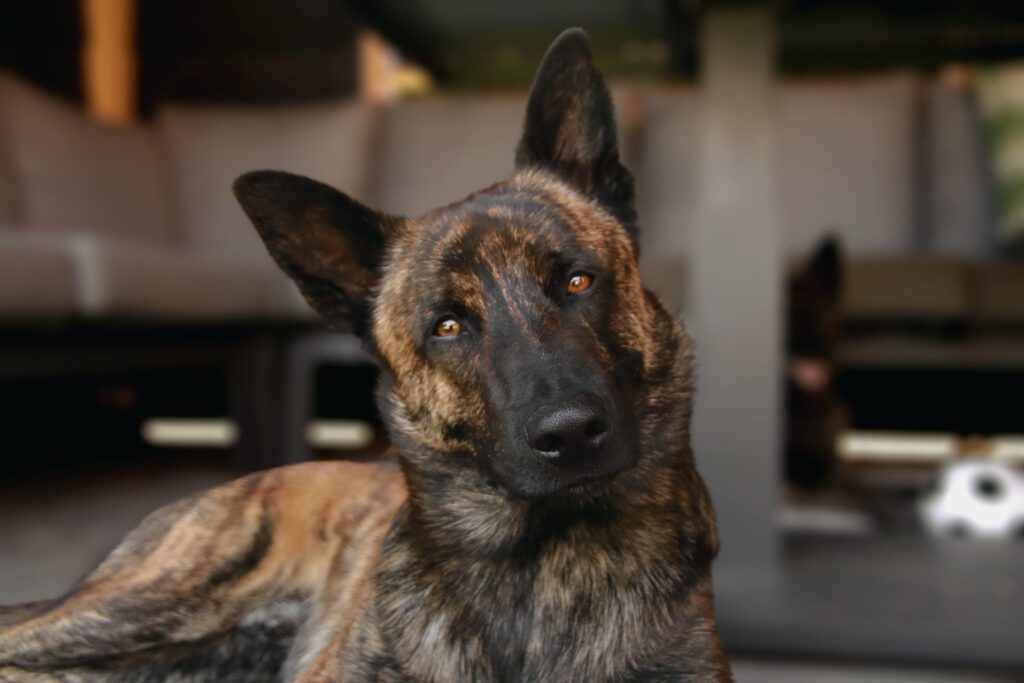
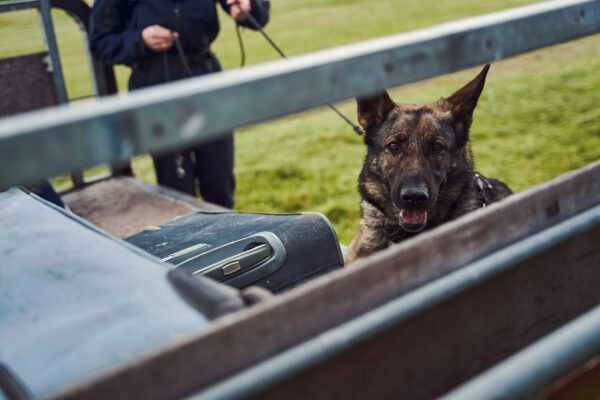
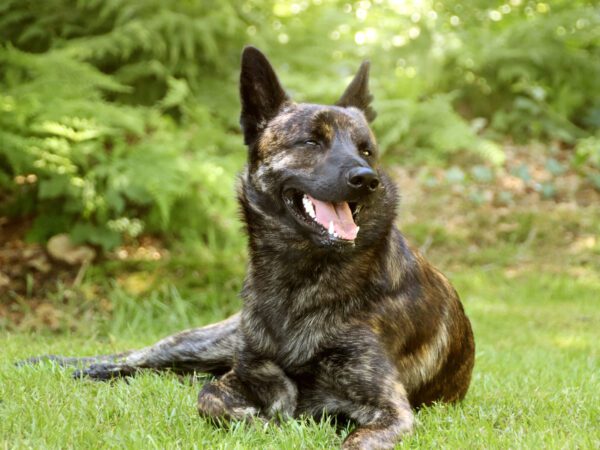
The Dutch Shepherd is a smart, athletic, and loyal herding breed that forms deep bonds with dedicated owners. This breed thrives when given daily mental work and meaningful exercise, and it shines in activities like hiking, agility, nose work, and obedience. Careful research helps ensure that the high drive and quick mind of a Dutch Shepherd match your lifestyle before you adopt a Dutch Shepherd in Vermont.
Choosing adoption gives a deserving dog a new start while supporting local animal welfare efforts. Vermont’s climate and geography can suit a Dutch Shepherd well because the breed’s weather-resistant coat handles cold conditions when the dog is properly acclimated. Winter still calls for safe footing, paw care, and smart limits during extreme cold, while Vermont’s humid summers require shade, fresh water, and rest breaks. With forests, trails, and rural spaces, Vermont offers rich outlets for structured activity, although urban and suburban adopters can also succeed by committing to daily training and purposeful exercise.
You can avoid searching rescues and shelters separately by browsing adoptable Dutch Shepherds through Dog Academy, which organizes listings and provides helpful guides and checklists to prepare for bringing a new dog home. You can also look at local animal shelters, regional rescues, breed-specific rescue groups, and foster networks that post available dogs in Vermont and nearby states. Because Dutch Shepherds are less common, you may need to expand your search radius or check listings regularly.
Start by reading each listing carefully, including notes on temperament, energy level, and any training or medical needs. Submit an application that includes personal details, housing information, and references. Many organizations ask for landlord approval if you rent and may request a veterinary reference if you have current or past pets. Provide complete answers because clear, detailed applications help match you with the right dog.
After your application is reviewed, the group typically schedules a phone interview to discuss your experience, routine, and training plans. A meet-and-greet follows so you can interact with the dog and, when relevant, introduce resident dogs in a neutral setting. Some organizations also conduct a home check, which may be virtual or in-person, to ensure safe fencing, secure storage for chemicals, and an appropriate space for rest and training. Approval timelines vary and often take several days to a few weeks based on volume, references, and scheduling.
If the right match is outside your immediate area, rescues sometimes arrange transport to move dogs between locations using volunteer drivers or licensed transporters. Dogs usually travel in secure crates with rest stops, and many groups require a health certificate from a veterinarian for interstate travel. Ask about the schedule, costs, and pickup procedures so you can plan a smooth arrival.
|
How Much Does It Cost to Adopt a Dutch Shepherd in Vermont?In Vermont, the typical adoption fee for a Dutch Shepherd ranges from $250 to $500. The exact fee depends on age, training, medical care, and local demand. Young adults with strong training foundations often sit at the higher end, while senior dogs or dogs with ongoing medical needs may be placed at a lower fee to encourage adoption. Adoption fees commonly include spaying or neutering, vaccinations, microchipping, and veterinary exams. Fees may be higher if the dog received dental work, advanced diagnostics, or behavior support. Fees help organizations cover the real costs of care and make it possible to assist the next dog in need. |
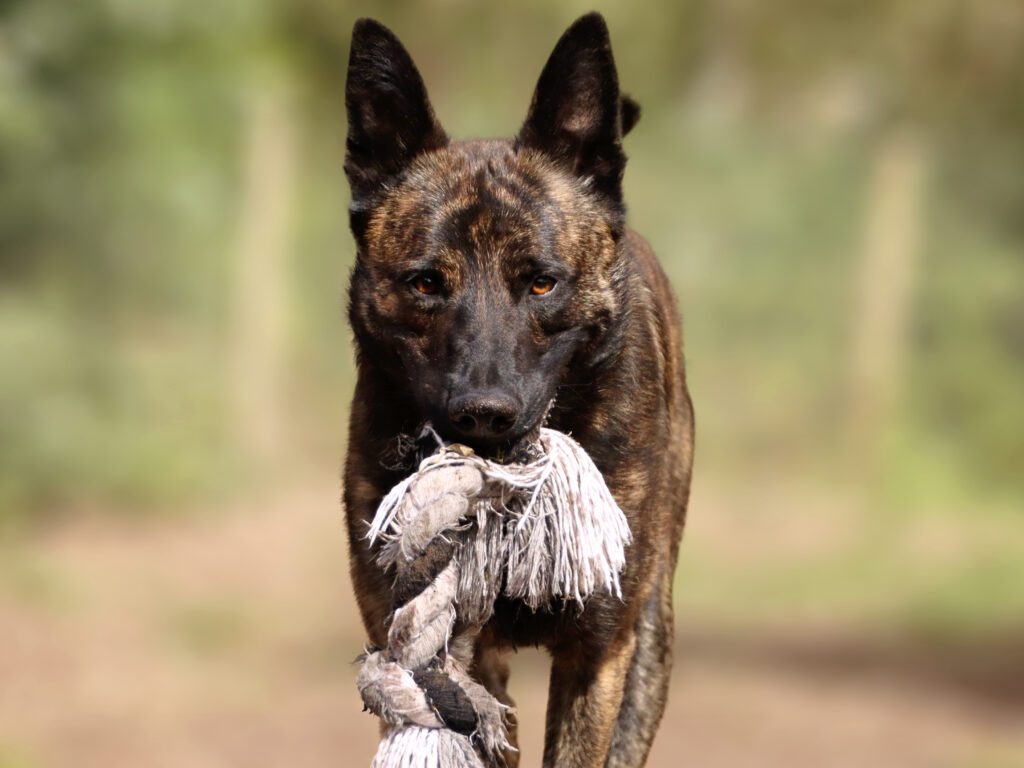
How Should I Train a Dutch Shepherd?The Dutch Shepherd is highly intelligent and eager to work, which makes training both rewarding and essential. Consistency, clear structure, and daily mental engagement help channel the breed’s drive into positive habits. Use positive reinforcement with food, toys, and praise to build reliable behaviors. Keep sessions short and frequent, and raise criteria gradually so the dog remains confident and focused. Common challenges include jumpy greetings, intense focus on movement, and vocal frustration when under-stimulated. Address these with impulse control games, calm leash work, and structured outlets like scent games or fetch with rules. Prioritize socialization, crate training, a rock-solid recall, and loose-leash walking. Practice neutrality around strangers and other dogs, and reserve off-leash time for secure areas because herding instincts and chase drive can override weak cues. For step-by-step guidance, explore Dog Academy’s online training courses, which teach foundation skills, enrichment routines, and advanced behaviors tailored to active breeds. |
|
The ideal home for a Dutch Shepherd offers daily exercise, thoughtful training, and time for bonding. Active individuals, outdoorsy families, and experienced dog owners often find the breed’s energy and intelligence a perfect fit. Preparation matters because a Dutch Shepherd thrives when the household commits to structure, enrichment, and lifelong learning.
Take your time, ask detailed questions, and make a plan for the first 30 days to set your new dog up for success. When you are ready to adopt a Dutch Shepherd in Vermont, use the organized listings and educational resources from Dog Academy to find a safe, supported match and start your partnership on the right paw.

Introducing a new puppy to your current dog is often an exciting process, and many dogs will become fast friends and eas...
Read More
Rescue dogs can make great companions and can transform your home into something better. These dogs make great pets and ...
Read More
You should never rush to pet a dog. Even dog owners make the mistake of approaching unfamiliar dogs and petting them rig...
Read More
Puppy mill dogs are survivors who have endured extreme hardships in their lives. They have grown up in horrendous, unsan...
Read More
With their wagging tails and comforting presence, adopting a dog can add a unique touch to your life. It’s a heart...
Read More
Older dogs may have a few gray hairs around the edges, but that doesn’t mean they can’t make wonderful companions! T...
Read More