


Introducing a new puppy to your current dog is often an exciting process, and many dogs will become fast friends and eas...
Read MoreAdopt Me

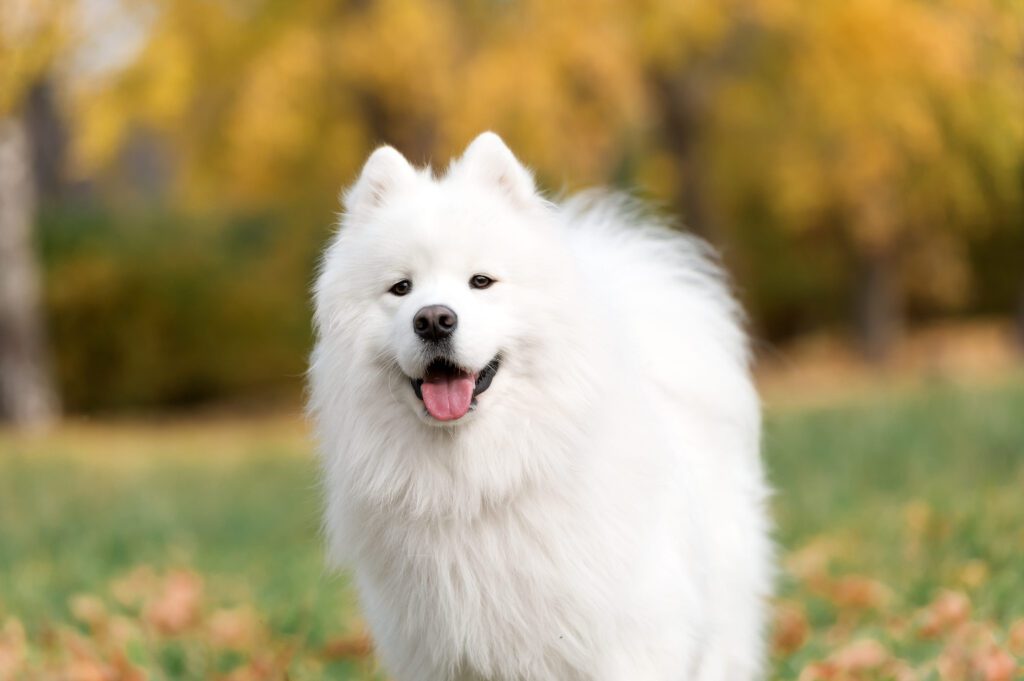
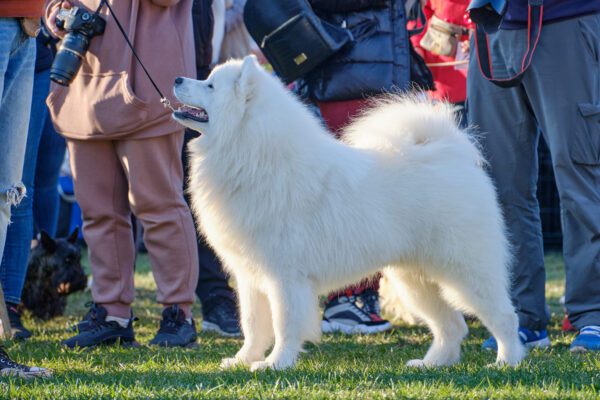
Samoyeds are cheerful, social, and stunning. Their famous smile, snowy coat, and people-first attitude make them wonderful companions for active households. They bond closely with their families and enjoy being involved in daily life. If you want a friendly, outgoing dog that thrives on attention and play, a Samoyed is a rewarding choice.
To adopt a Samoyed, start by researching the breed and your lifestyle match. Then contact local shelters, all-breed rescues, and Samoyed-specific rescue groups. Many adopters begin by browsing curated listings on Dog Academy. Dog Academy collects verified rescue and shelter postings to make it easier to find available Samoyed dogs without checking dozens of sites.
Availability can be limited. Samoyeds do enter shelters, but far fewer than popular mixed breeds. Breed-specific rescues often use foster networks and maintain waiting lists. Expect an application, reference checks, a meet-and-greet, and sometimes a home visit. Good rescues aim for the best match. They will ask about your schedule, fencing, grooming plan, and training approach. Patience pays off, especially if you have preferences such as age or sex.
Adoption costs vary by source and care provided. For Samoyed breed rescues, expect about $350 to $650, which reflects spay or neuter, vaccinations, microchip, and any medical or grooming needs. Municipal shelters are often lower, roughly $75 to $250, since they offset costs with public funding. Fees can change with age, location, and prior veterinary work. Ask what is included so you can budget for supplies, grooming tools, and training.
Plan for a calm adjustment period. Many Samoyeds need a few days to a few weeks to settle into a new home. Keep routines simple. Offer a quiet rest area, regular potty breaks, and short training sessions. This breed is social and often vocal, so praise calm behavior and redirect excitement with toys and sniff walks. Daily exercise is essential. Aim for 60 to 90 minutes split into walks, play, and mentally rich activities like scent games and puzzle feeders.
Samoyeds have a dense double coat that sheds year-round and blows seasonally. Brush 3 to 4 times per week to limit mats and manage shedding. Increase to daily during heavy coat drops. Bathe every 6 to 8 weeks or as needed. Use a slicker brush and undercoat rake, and never shave the coat. Feed a high-quality diet matched to age, weight, and activity. Monitor body condition since a thick coat hides weight gain. Break meals into 2 to 3 feedings and avoid vigorous exercise right after eating. Ask your veterinarian about portion sizes and any breed-specific risks.
Training should be reward-based and upbeat. Samoyeds are smart, sensitive, and can be independent. Keep sessions short, fun, and consistent. Focus on name recognition, recall, loose-leash walking, and settle-on-mat. Reinforce quiet moments to manage barking. Crate training and structured alone-time help prevent anxiety. For expert guidance, explore Dog Academy’s online and in-person training. Programs are self-paced and led by professionals who understand spitz breeds. You will get step-by-step plans for obedience, manners, and enrichment that support long-term success.
|
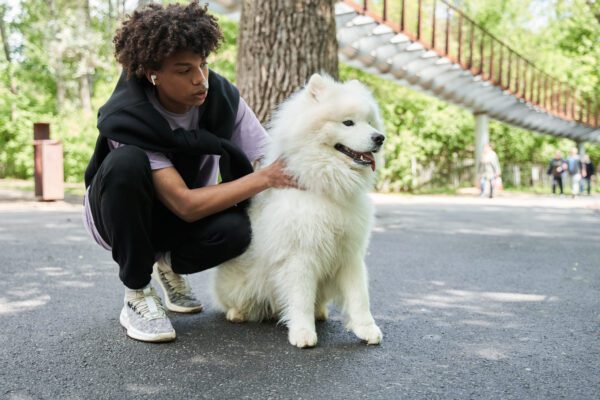
Is It a Good Idea to Adopt a Samoyed As Your First Dog?A first-time owner can succeed with a Samoyed if they are prepared for energy, grooming, and consistent training. This breed is affectionate and people-oriented, which helps new owners build confidence. The challenge is follow-through. Samoyeds need daily physical exercise and mental work. They can pull on leash, they shed heavily, and they may bark when bored or under-stimulated. Training difficulty is moderate. They learn quickly with positive reinforcement but lose focus with harsh methods or long drills. Plan for regular brushing and structured activity every day. If you commit to routine and enrichment, a Samoyed can be an excellent first dog. Dog Academy training can help you set clear goals, avoid common mistakes, and build reliable manners from day one. |
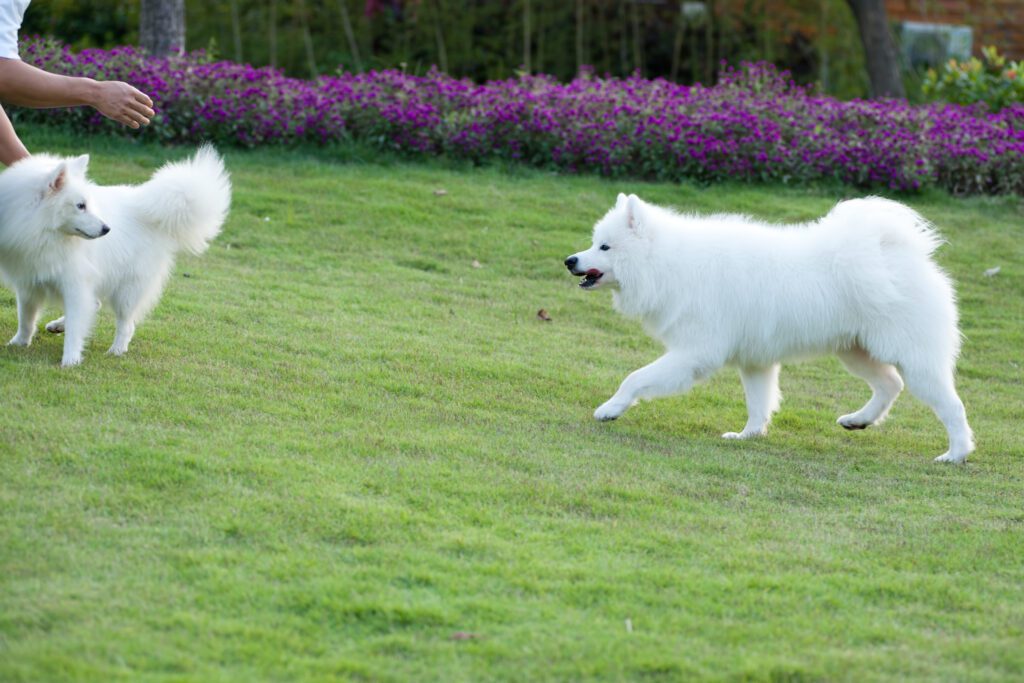
Adopt the Right Samoyed for YouAdopting a Samoyed is a joyful decision when matched with the right expectations. Research the breed, plan your grooming and exercise routine, and budget for training and care. Start your search with curated rescue and shelter listings on Dog Academy. You will save time and focus on dogs that fit your home and goals. With thoughtful preparation and expert support, you can bring home a healthy, happy companion. Dog Academy makes it easier to adopt the right Samoyed and provides ongoing help through self-paced online programs and professional in-person training. You will have guidance for every step, from the first meet-and-greet to a well-mannered life together. |
|

Introducing a new puppy to your current dog is often an exciting process, and many dogs will become fast friends and eas...
Read More
Rescue dogs can make great companions and can transform your home into something better. These dogs make great pets and ...
Read More
You should never rush to pet a dog. Even dog owners make the mistake of approaching unfamiliar dogs and petting them rig...
Read More
Puppy mill dogs are survivors who have endured extreme hardships in their lives. They have grown up in horrendous, unsan...
Read More
With their wagging tails and comforting presence, adopting a dog can add a unique touch to your life. It’s a heart...
Read More
Older dogs may have a few gray hairs around the edges, but that doesn’t mean they can’t make wonderful companions! T...
Read More