


Introducing a new puppy to your current dog is often an exciting process, and many dogs will become fast friends and eas...
Read MoreAdopt Me

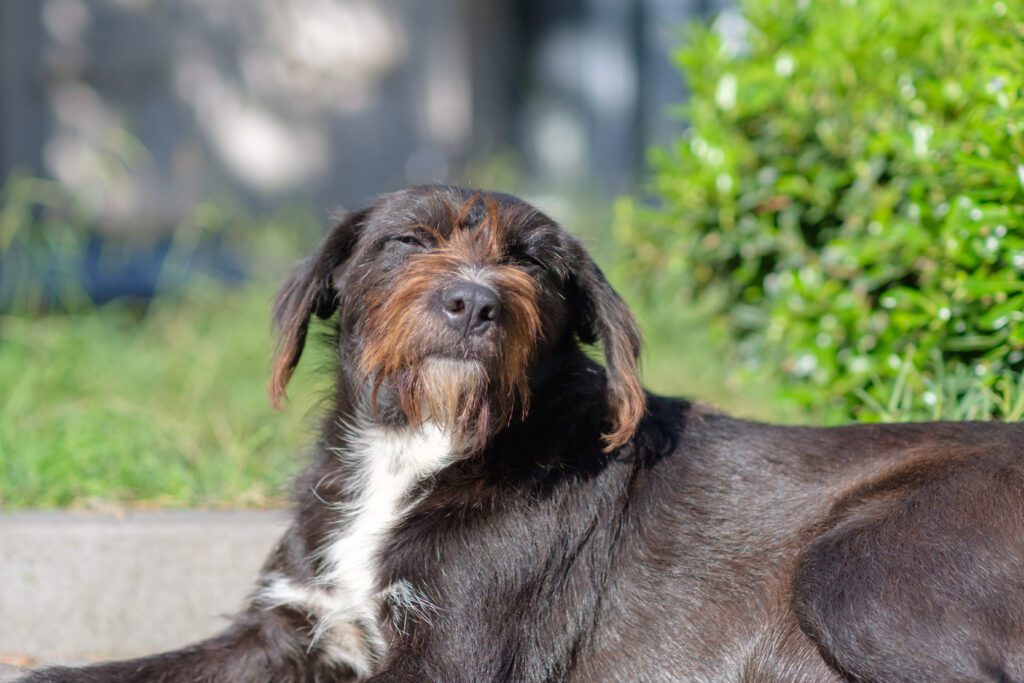
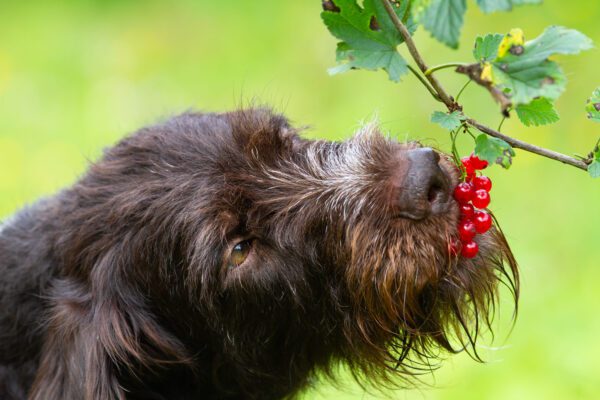
The Pudelpointer is a versatile hunting dog and a devoted companion. This breed is intelligent, biddable, and athletic. Many families love the calm indoor demeanor that follows a good day of work or play. If you want a partner for hikes, field work, and water retrieves, a Pudelpointer can be a great fit.
Adoption starts with research. Learn what the breed needs, then explore available dogs through shelters and sporting dog rescues. Because Pudelpointers are rare, finding one through general shelters can be difficult. Breed-savvy groups and field-dog rescues are your best bet. You can browse curated adoption listings on Dog Academy. Dog Academy organizes current opportunities so it is easier to find a Pudelpointer that matches your goals and lifestyle.
Availability varies by region and season. Some adopters join waiting lists, especially if they want a young adult with hunting exposure. Expect a structured application. Many rescues ask about your activity level, training plans, fencing, and experience with working breeds. References, landlord checks, and a home visit are common. Most groups arrange a meet-and-greet and may offer a trial period to confirm a good match.
Typical adoption fees reflect the breed’s rarity and the care invested. Municipal shelters that occasionally intake a Pudelpointer often charge about $200 to $500. Breed-focused sporting dog rescues tend to run $300 to $600. Costs shift based on age, training history, medical care, spay or neuter, microchip, and transport. Older dogs and those with basic gundog training may sit at the higher end due to added preparation.
Give your new dog time to decompress. Many Pudelpointers settle after a short adjustment window of 2 to 4 weeks. Keep a steady routine for sleep, feeding, and potty breaks. Use a crate or quiet room to help your dog relax and prevent rehearsal of unwanted habits. This breed bonds quickly yet can be sensitive to pressure. Calm handling and clear rules build trust.
Pudelpointers need daily work for both body and mind. Plan 60 to 90 minutes of vigorous exercise, split into structured sessions. Mix in field retrieves, tracking games, long-line hikes, and swims. Short training bursts throughout the day prevent boredom. Focus on recall, loose-leash walking, impulse control at doors, and reliable settle on a mat. Use reward-based training with food, toys, and praise. Shape steadiness and delivery to hand if you plan to hunt. Redirect prey drive into scent work and retrieve games if you do not. For step-by-step help, enroll in Dog Academy’s online and in-person training. Dog Academy offers expert-led programs that support you from first day home through advanced field skills.
Grooming is low to moderate. The coat can be harsh and wiry or closer to wavy. Brush once or twice per week to remove debris and reduce shedding. Many working coats benefit from light hand-stripping a few times per year to keep texture and airflow. Check and dry ears after water work. Trim nails every 2 to 4 weeks. Feed a high quality diet that matches activity. Athletic adults often do well with higher protein and fat. Monitor body condition and adjust calories around hunting season. Offer smaller meals and rest after hard exercise since deep-chested dogs can be prone to stomach upset.

|
Is It a Good Idea to Adopt a Pudelpointer As Your First Dog?A dedicated first-time owner can succeed with a Pudelpointer, though it is not the easiest choice. The breed is highly trainable yet very energetic. It needs daily exercise and real mental work. Without structure, a young Pudelpointer can become mouthy, restless, and inventive in all the wrong ways. Physical handling is manageable for most adults, but adolescents can be strong and springy. Clear rules and early manners are essential. Training is not hard if you are consistent. The dog wants to partner with you. Keep sessions short, upbeat, and frequent. Provide scent games, retrieves, and problem-solving tasks every day. If you are new to working breeds, get guidance early. Dog Academy training helps new owners set routines, meet exercise goals, and build reliable obedience that channels drive into good choices. |
Adopt the Right Pudelpointer for YouSuccess starts with fit. Know your exercise capacity, training interest, and goals in the field or on the trail. Research the breed, plan your routine, and be ready with supplies before pickup day. Use curated listings on Dog Academy to find a Pudelpointer that matches your lifestyle, whether you want a hunting partner or an active family companion. With preparation and steady guidance, a Pudelpointer becomes a loyal teammate. Dog Academy simplifies your search with organized adoption resources and supports your journey with expert online and in-person training. Choose thoughtfully, invest in training, and enjoy a smart, eager dog that loves to work by your side. |

|

Introducing a new puppy to your current dog is often an exciting process, and many dogs will become fast friends and eas...
Read More
Rescue dogs can make great companions and can transform your home into something better. These dogs make great pets and ...
Read More
You should never rush to pet a dog. Even dog owners make the mistake of approaching unfamiliar dogs and petting them rig...
Read More
Puppy mill dogs are survivors who have endured extreme hardships in their lives. They have grown up in horrendous, unsan...
Read More
With their wagging tails and comforting presence, adopting a dog can add a unique touch to your life. It’s a heart...
Read More
Older dogs may have a few gray hairs around the edges, but that doesn’t mean they can’t make wonderful companions! T...
Read More