


Introducing a new puppy to your current dog is often an exciting process, and many dogs will become fast friends and eas...
Read MoreAdopt Me

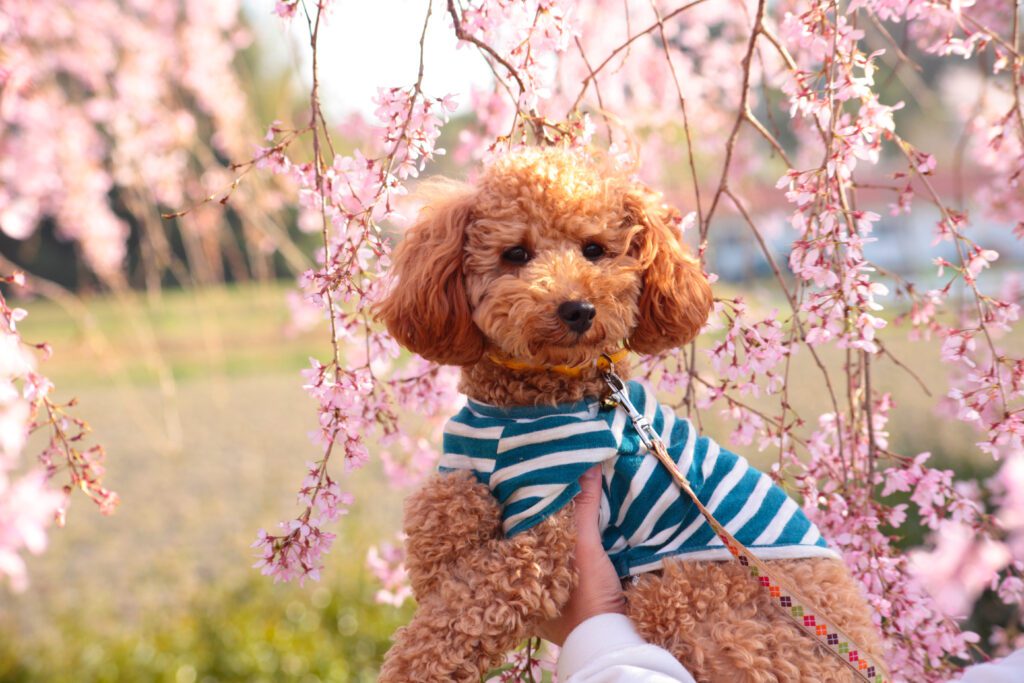
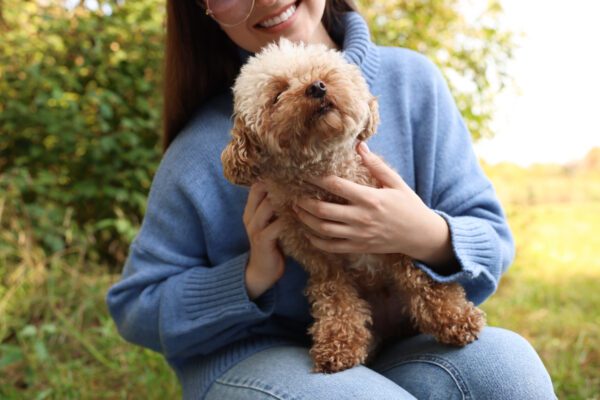
A Bichon Poodle, also called a Bichpoo or Poochon, blends the cheerful charm of the Bichon Frise with the smarts of the Poodle. Many adopters love this mix for its friendly nature, small size, and low-shedding coat. The breed suits apartment living and family life. With daily attention and consistent routines, a Bichon Poodle becomes a bright, loving companion.
The general path to adoption is simple. Start by researching the breed, then search local shelters, all-breed rescues, and Poodle or Bichon Frise breed rescues. Because this mix is popular, availability can be limited. You may see more Bichon Poodles listed through doodle-focused rescues or small-dog groups. You can browse curated adoption listings on Dog Academy. Dog Academy makes it easier to find available Bichon Poodle dogs by gathering verified listings in one place.
Most organizations use an application process that checks for a good match. Expect questions about your home, schedule, and experience with dogs. Many groups request personal or veterinary references. Some may schedule a virtual or in-person home check. A meet-and-greet is common to ensure the dog is comfortable with you and any resident pets. Due to demand, a waiting list is possible, especially for puppies and young adults.
Adoption fees for a Bichon Poodle reflect high demand and routine veterinary care. Plan for about $300 to $500 for most adult adoptions through reputable rescues. Puppies can be higher at $400 to $650. Fees vary by age, spay or neuter status, dental work, grooming, and regional costs. Responsible rescues invest in medical exams, vaccinations, microchips, and often a professional groom before placement. Researching these details helps you set a budget and choose a rescue that aligns with your values.
After you bring home a Bichon Poodle, expect an adjustment period of 2 to 3 weeks. Create a quiet space with a crate or comfy bed, then set a simple routine for meals, potty breaks, walks, and rest. This mix is sensitive and people oriented. Clear structure and patient guidance reduce stress. Short daily walks, play sessions, and gentle handling help build trust.
Bichon Poodles are lively but not extreme athletes. Plan for about 45 to 60 minutes of total daily activity. Two short walks plus indoor play or a few fetch rounds work well. Mental exercise matters. Use puzzle feeders, hide-and-seek games, and 5-minute training bursts. The coat needs consistent care. Brush daily to prevent mats, especially behind ears, under legs, and around the collar area. Schedule professional grooming every 4 to 6 weeks to keep the coat clean and comfortable. Check ears weekly, wipe tear stains as needed, and brush teeth at least 3 times per week. Feed a balanced small-breed diet in 2 meals and monitor weight since treats add up fast.
Training a Bichon Poodle is rewarding because the mix is bright and eager to please. Use reward-based methods with small treats and upbeat praise. Keep sessions short and fun. Focus first on house training refreshers, a reliable recall, loose-leash walking, and calm greetings. Add enrichment skills like place, touch, and simple tricks to build confidence. For structured help, explore Dog Academy’s online and in-person training. Programs are expert led and supportive, so you can move at your pace and get feedback tailored to your dog.
|
Is It a Good Idea to Adopt a Bichon Poodle As Your First Dog?Yes, a Bichon Poodle can be a great first dog for many people. The mix is small, affectionate, and generally easy to handle. Energy is moderate. Daily walks and play are usually enough, with extra mental stimulation to prevent boredom and barking. The main challenge is coat care, which is ongoing and must be in your budget and routine. Sensitivity to alone time is also common, so plan for gradual independence training and enrichment during absences. Training is straightforward with positive reinforcement. Consistency matters because smart dogs learn fast, both good and not-so-good habits. New owners often benefit from structure and expert feedback. Dog Academy training can help you set clear routines, build strong manners, and solve issues early. With a plan, most first-time owners do very well with a Bichon Poodle. |
Adopt the Right Bichon Poodle for YouA thoughtful approach sets you and your dog up for success. Research the breed, prepare supplies, and budget for grooming and preventive care. Be ready to wait for the right match if needed. Use curated listings on Dog Academy to find available dogs faster. Expert coaches can guide your first weeks at home and help you build lasting skills. When you adopt a Bichon Poodle through informed choices, you gain a joyful companion. Dog Academy makes it easier to find, train, and support your dog for the long term so you can enjoy a confident start and a happy life together. |
|
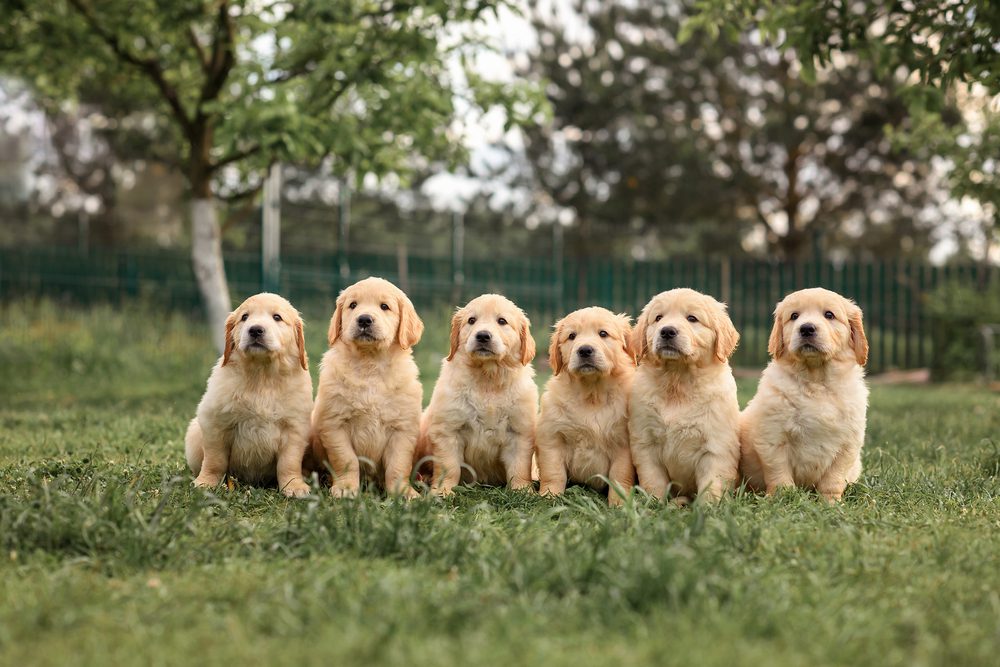
Introducing a new puppy to your current dog is often an exciting process, and many dogs will become fast friends and eas...
Read More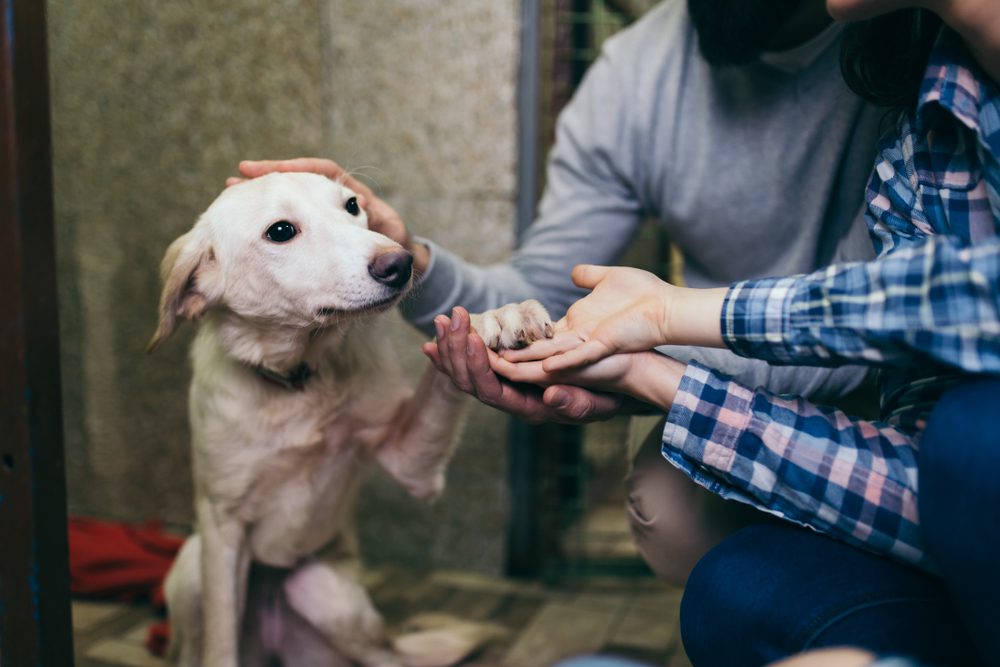
Rescue dogs can make great companions and can transform your home into something better. These dogs make great pets and ...
Read More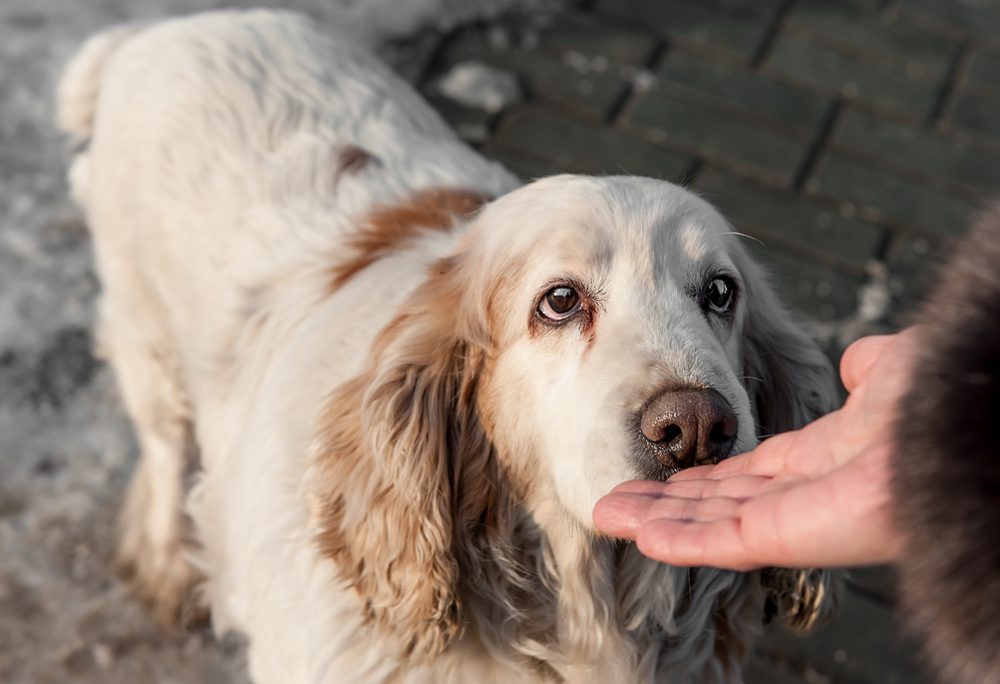
You should never rush to pet a dog. Even dog owners make the mistake of approaching unfamiliar dogs and petting them rig...
Read More
Puppy mill dogs are survivors who have endured extreme hardships in their lives. They have grown up in horrendous, unsan...
Read More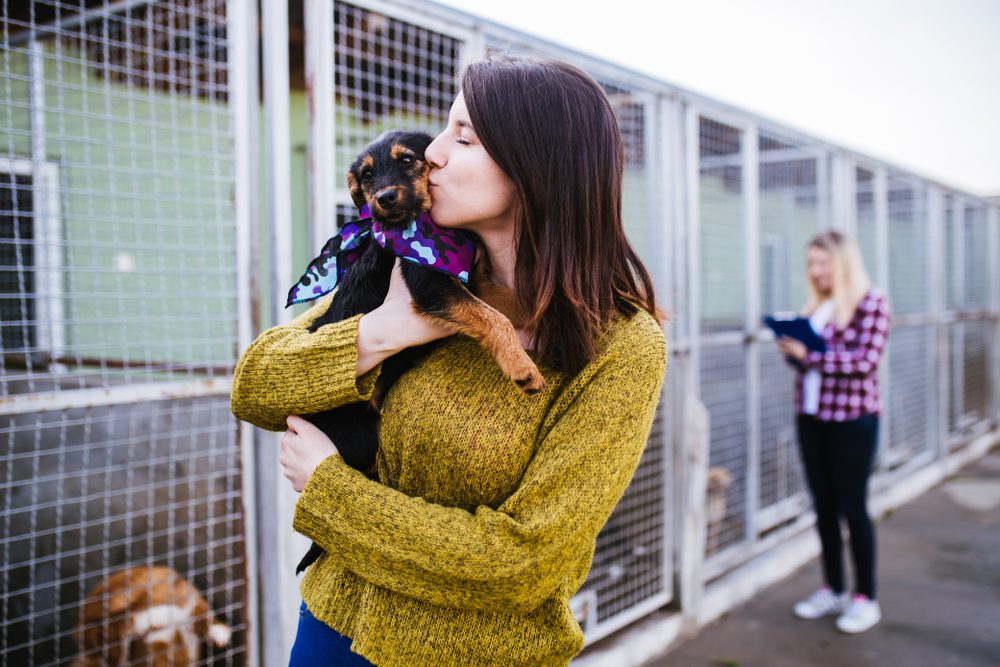
With their wagging tails and comforting presence, adopting a dog can add a unique touch to your life. It’s a heart...
Read More
Older dogs may have a few gray hairs around the edges, but that doesn’t mean they can’t make wonderful companions! T...
Read More