


Introducing a new puppy to your current dog is often an exciting process, and many dogs will become fast friends and eas...
Read MoreAdopt Me

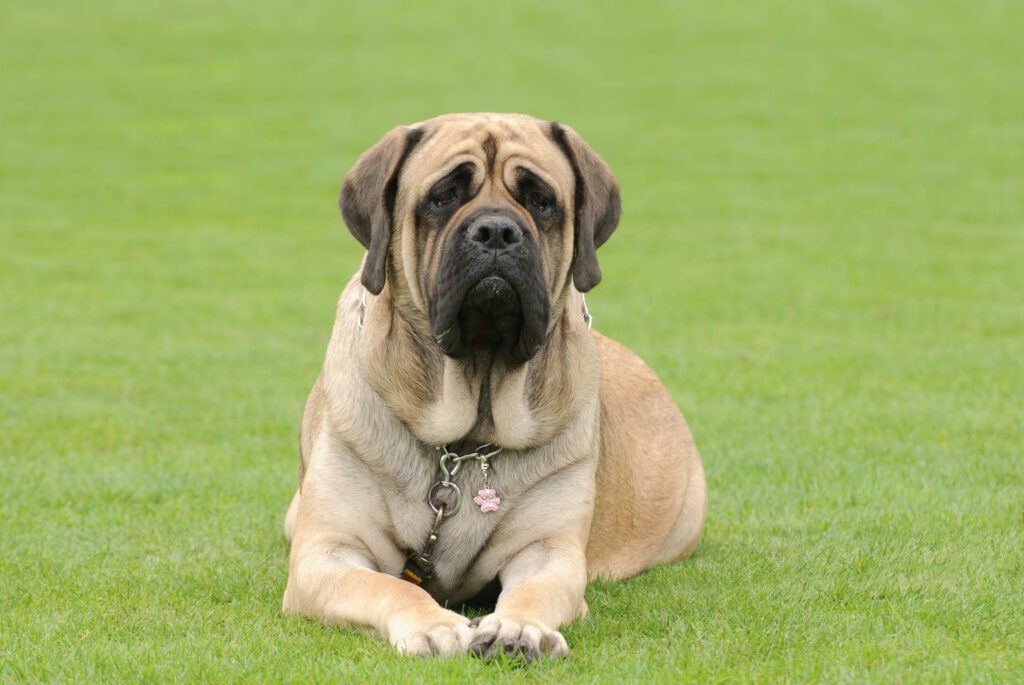

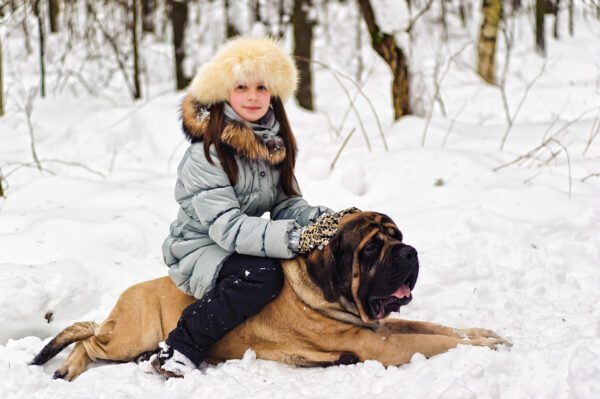
An English Mastiff is a calm, loyal, and deeply affectionate companion. Many families love this breed for its steady temperament and devotion. Despite their size, most Mastiffs prefer a quiet home life with short daily walks and long naps by your side. They are gentle with people they know, yet their presence alone offers a reassuring sense of security.
Finding an English Mastiff available for adoption can take time. They are not as common in general shelters, though they do appear due to size, drool, or housing restrictions. Breed-specific rescues and experienced foster networks are often the best sources. You can browse curated adoption listings on Dog Academy. Dog Academy gathers reputable listings to help you find available English Mastiff dogs faster, and to connect you with organizations that understand giant breeds.
The adoption process usually involves an application, a conversation about lifestyle, and verification steps such as vet and personal references. Many rescues request photos or a virtual home check to confirm safe space, secure fencing, and floor plans that allow easy movement for a giant dog. Some groups use waiting lists and schedule meet-and-greets with resident pets. Be prepared to discuss your plan for transport, stairs, and budget, since these are crucial for a dog of this size.
Typical adoption fees for an English Mastiff reflect the cost of care for a giant breed. Expect about $100 to $300 at municipal shelters and about $250 to $600 through breed-specific rescues. Puppies or young dogs can reach $500 to $700. Fees usually include spay or neuter, core vaccines, microchip, and sometimes treatment for issues like skin infections or orthopedic concerns. Location, age, and medical history influence the final amount.
Plan for a quiet first week at home. An English Mastiff may seem reserved at first. Give clear routines, gentle introductions, and frequent rest. Use non-slip rugs, a supportive orthopedic bed, and a crate or gated space sized for a giant dog. Many Mastiffs bond quickly, but they still need time to learn household rules and to relax in a new environment.
Exercise needs are moderate. Aim for 30 to 60 minutes of easy walks and sniffing each day, split into short sessions. Avoid high-impact play that stresses joints. Brush the short double coat weekly, and daily during shedding seasons. Wipe drool after meals and water breaks to keep skin healthy. Clean ears, trim nails every 2 to 4 weeks, and brush teeth several times per week. Feed a high-quality diet with attention to joint health. For dogs under 2, choose a giant-breed growth plan to support steady development. Split meals into 2 to 3 feedings and limit vigorous activity around mealtime to help reduce bloat risk. Speak with your veterinarian about your dog’s ideal body condition and supplements.
Most English Mastiffs are sensitive and eager to please but can be stubborn. Use reward-based training with food, praise, and calm timing. Teach foundation skills like loose-leash walking, settle on a mat, leave it, and polite greetings. Focus on impulse control and handling skills since size amplifies small mistakes. Short sessions of 3 to 5 minutes work best. For expert help, explore Dog Academy’s online and in-person training. Programs cover giant-breed leash manners, confidence-building, and real-life obedience, and provide ongoing guidance for long-term success.
|
Is It a Good Idea to Adopt an English Mastiff As Your First Dog?It can be a good choice for a first-time owner who is calm, organized, and prepared for a very large dog. English Mastiffs have a low to moderate energy level and a steady nature, yet they require consistent training and structure. Their size creates handling challenges. A startled or playful Mastiff can pull hard, so leash skills and reliable manners are essential. Budget for higher costs for food, preventive care, and potential orthopedic needs. Training difficulty is moderate. Mastiffs learn well through positive reinforcement, but they respond slowly to harsh methods. Provide daily mental stimulation with scent games, food puzzles, and short training routines. New owners often benefit from professional coaching. Dog Academy training helps first-time adopters build safe leash habits, polite greetings, and calm home routines from the start. |
Adopt the Right English Mastiff for YouTake your time, research the breed, and assess your home for space, flooring, and transport needs. Plan for structured routines, gentle training, and steady health care. With realistic expectations and preparation, an English Mastiff can be a devoted partner for many years. Dog Academy makes it easier to adopt the right English Mastiff through curated listings and expert guidance. Pair your search with Dog Academy’s online and in-person training so your new companion settles in smoothly and succeeds for the long term. |
|

Introducing a new puppy to your current dog is often an exciting process, and many dogs will become fast friends and eas...
Read More
Rescue dogs can make great companions and can transform your home into something better. These dogs make great pets and ...
Read More
You should never rush to pet a dog. Even dog owners make the mistake of approaching unfamiliar dogs and petting them rig...
Read More
Puppy mill dogs are survivors who have endured extreme hardships in their lives. They have grown up in horrendous, unsan...
Read More
With their wagging tails and comforting presence, adopting a dog can add a unique touch to your life. It’s a heart...
Read More
Older dogs may have a few gray hairs around the edges, but that doesn’t mean they can’t make wonderful companions! T...
Read More