



























































































































































































Introducing a new puppy to your current dog is often an exciting process, and many dogs will become fast friends and eas...
Read MoreAdopt Me




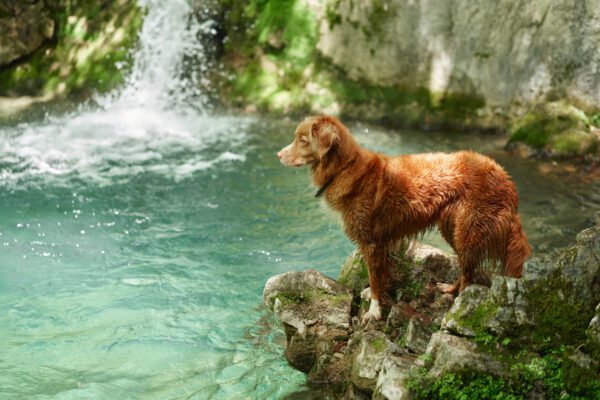
The Nova Scotia Duck Tolling Retriever is a smart, energetic, and affectionate companion that thrives on work and play. This cheerful retriever loves water, enjoys retrieving games, and bonds closely with a family. The breed is medium sized and athletic, with a thick double coat and a keen mind that shines during training and outdoor adventures.
Thoughtful research always sets up a better adoption. Understanding energy level, grooming needs, and social tendencies helps you choose a dog that fits your lifestyle. Adoption is often preferable to buying because it gives a deserving dog a new start, supports responsible rescue efforts, and usually includes essential veterinary care. Experienced foster notes and behavior summaries can also guide you toward a dog whose personality matches your home.
Vermont suits this breed well. The state’s cold winters and snowy trails pair nicely with a Toller’s weather-resistant coat and love of outdoor activity. Lakes, forests, and rolling hills create year-round options for hiking and swimming when conditions allow. Vermont’s long winter requires indoor enrichment and structured exercise, and rural living means reliable recall and leash skills are important. City or apartment living can work when daily exercise and training are consistent.
You can find adoptable Tollers through local animal shelters, regional rescues, and breed-specific rescue groups. You can avoid searching each place separately by using Dog Academy’s adoption listings, which collect options in one place and help you compare dogs efficiently. Visit Dog Academy to browse available dogs, learn from educational guides, and download a clear adoption checklist that keeps you organized.
Start by browsing listings and reading each profile carefully. Profiles usually describe temperament, exercise needs, training progress, veterinary history, and any known preferences around children or other pets. Many Tollers in Vermont are fostered locally or in nearby New England states. When a dog is not nearby, rescues sometimes arrange transport to move dogs between locations using approved drivers, which adds coordination time and may involve a small additional fee.
Next, complete an application that covers household details, landlord permission when applicable, current pet information, and your plan for exercise and training. Provide veterinary references if you have them. Response times often range from 3 to 10 days depending on volunteer capacity and the number of applicants. Clear communication, timely documents, and flexible scheduling usually speed things up.
After approval, the group schedules a meet-and-greet at a shelter or foster home. Bring all household members and any resident dogs so everyone can interact safely. Many groups conduct home checks to confirm secure fencing, safe storage for household hazards, and a quiet rest area for the new dog. Some groups offer short trial placements so you can confirm the fit. Once you sign the adoption contract and pay the fee, you can schedule pickup and go home with a thorough set of records and care instructions.
|
How Much Does It Cost to Adopt a Nova Scotia Duck Tolling Retriever in Vermont?In Vermont, the typical adoption fee for a Nova Scotia Duck Tolling Retriever ranges from $350 to $650. Fees trend toward the upper end when demand is high, veterinary costs are significant, or a dog is a young adult or puppy. Older dogs and dogs with established manners often fall near the middle of the range. Fees usually include spaying or neutering, vaccinations, microchipping, and veterinary exams. Costs may rise when a dog receives dental care, heartworm treatment, or specialized diagnostics, and they may increase slightly if the dog has completed advanced training. Expect possible add-ons for interstate transport when a rescue moves a dog from another region to Vermont. Transport fees often reflect fuel, health certificates, and logistics support, which can add $50 to $200 to the total. Budget separately for a crate, a leash and harness, chew toys, grooming tools, high quality food, and a training plan. |
How Should I Train a Nova Scotia Duck Tolling Retriever?The Toller is highly intelligent, eager to work, and very responsive to positive reinforcement. Short, upbeat sessions keep focus strong and reduce frustration. Rewarded recall games, retrieving drills, and scent work channel energy and sharpen impulse control. Many Tollers are sensitive and do best with gentle guidance, clear structure, and immediate rewards for desired behavior. Common challenges include excitability, vocalizing when frustrated, and grabbing the leash or toys with an overenthusiastic mouth. Consistent outlets for exercise and mental work reduce these behaviors. Daily training that builds loose-leash walking, a reliable recall, and calm settle skills pays off during Vermont’s busy trail seasons and around wildlife. For step-by-step lessons that fit a busy schedule, explore Dog Academy’s online training courses, which cover foundation skills, impulse control, and enrichment plans tailored to active breeds. |
|
The ideal adopter enjoys an active lifestyle, values daily training, and wants a close partnership with a smart working dog. A Toller fits families who like hiking, running, swimming, and structured play. A fenced yard is helpful, though not required when you commit to consistent leashed exercise and a strong recall routine. Preparation matters. Plan for grooming the double coat, managing ticks, and keeping up with year-round enrichment during long Vermont winters.
Take your time, ask thorough questions, and set up your home for success before you bring your dog home. When you feel ready, use the adoption tools and training resources from Dog Academy to compare dogs, prepare your checklist, and welcome the right Nova Scotia Duck Tolling Retriever into your Vermont life with confidence.

Introducing a new puppy to your current dog is often an exciting process, and many dogs will become fast friends and eas...
Read More
Rescue dogs can make great companions and can transform your home into something better. These dogs make great pets and ...
Read More
You should never rush to pet a dog. Even dog owners make the mistake of approaching unfamiliar dogs and petting them rig...
Read More
Puppy mill dogs are survivors who have endured extreme hardships in their lives. They have grown up in horrendous, unsan...
Read More
With their wagging tails and comforting presence, adopting a dog can add a unique touch to your life. It’s a heart...
Read More
Older dogs may have a few gray hairs around the edges, but that doesn’t mean they can’t make wonderful companions! T...
Read More