


Introducing a new puppy to your current dog is often an exciting process, and many dogs will become fast friends and eas...
Read MoreAdopt Me



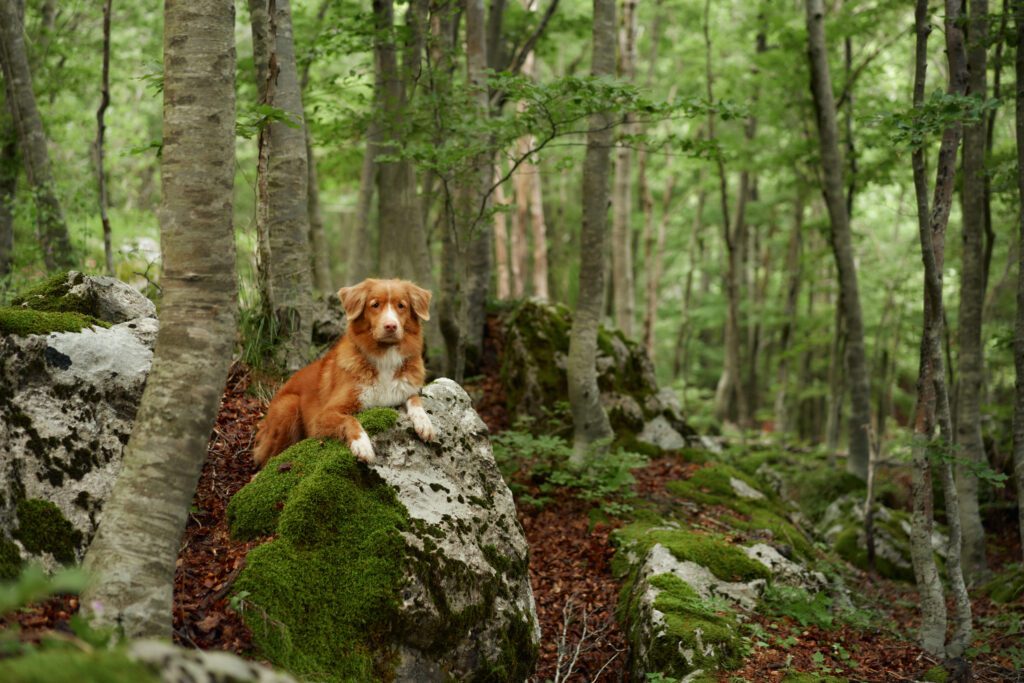
The Nova Scotia Duck Tolling Retriever, often called a Toller, is a small retriever with big drive. Tollers are athletic, clever, and deeply bonded to their people. They love water, retrieving, and nearly any dog sport. With the right outlet, they are affectionate house companions that thrive on routine, play, and purpose.
Because Tollers are rare, finding one through a shelter can take time. Many dogs are rehomed through breed-specific rescues and experienced foster networks. Expect an application, references, a conversation about lifestyle, and sometimes a virtual or in-home check. Some groups use waiting lists for matched placements, especially for young adults. To make the search easier, browse curated listings on Dog Academy. Dog Academy gathers verified adoption opportunities, so you spend less time sifting and more time preparing for the right dog.
Costs vary by source. Breed-specific rescues commonly request $350–$650 to cover spay or neuter, vaccinations, microchip, evaluation, and any medical care. Municipal shelters are usually lower at $150–$300, depending on age, location, and services provided. Rarity, transport, and recent veterinary work can influence the fee. Research the breed before you apply. A Toller’s needs are different from other retrievers, and a clear plan for exercise, training, and enrichment helps you pass screenings and sets your new dog up for success.


Plan for a calm landing. Give your Toller a quiet space, a crate or bed, and a steady routine for the first 3–7 days. Many Tollers are sensitive and alert in new places. They warm up quickly with gentle handling, predictable schedules, and clear rules. Expect high energy paired with focus. Most need 60–90 minutes of daily exercise split between brisk walks, fetch, swimming, and off-leash play in safe areas. Add mental work like scent games, puzzle feeders, and short training sessions. This channeling of their retrieve and chase instincts prevents boredom, barking, and the famous Toller scream.
Grooming is moderate. The water-repellent double coat benefits from weekly brushing, plus extra work during seasonal shedding. Rinse after swims, dry the ears, and check for debris. Trim nails every 2–4 weeks and brush teeth several times per week. Feed a high-quality diet suited to an active medium dog. Use measured meals, maintain a lean waist, and adjust for training treats and sport days. For training, choose reward-based methods. Tollers excel with positive reinforcement, clicker games, and clear criteria. They respond best to short, upbeat sessions that build impulse control and a reliable recall. If you want a proven plan, lean on Dog Academy’s online and in-person training. Programs are expert-led, self-paced when you need flexibility, and supported by professionals who understand working retrievers.

|
Is It a Good Idea to Adopt a Nova Scotia Duck Tolling Retriever As Your First Dog?Yes, if you are active, consistent, and ready to learn. Tollers are bright and eager, which makes training rewarding, but they notice everything. That sensitivity requires patient handling and clear structure. Energy levels are high, and mental stimulation is essential. Plan daily exercise, frequent training games, and regular field-style play like fetch or scent work. Most adults weigh 35–50 pounds, which is manageable for many first-time owners, though excitement on leash can feel strong without training. New owners do well with guidance and a routine. Start with foundations, impulse control, and recall. Add enrichment to curb barking and chewing. Dog Academy can help you succeed with step-by-step online courses and local professional support when you need hands-on coaching. With the right plan, a first-time owner can thrive with a Toller. |
Adopt the Right Nova Scotia Duck Tolling Retriever for YouTake time to match energy, age, and temperament to your lifestyle. Understand the exercise, training, and grooming needs, and set up your home before pickup. Use curated adoption listings on Dog Academy to find available Tollers, then follow through with expert support for the long term. With preparation, patience, and the right training from Dog Academy, you can adopt a Nova Scotia Duck Tolling Retriever that fits your life and enjoy a loyal, athletic partner for years to come. |
|

Introducing a new puppy to your current dog is often an exciting process, and many dogs will become fast friends and eas...
Read More
Rescue dogs can make great companions and can transform your home into something better. These dogs make great pets and ...
Read More
You should never rush to pet a dog. Even dog owners make the mistake of approaching unfamiliar dogs and petting them rig...
Read More
Puppy mill dogs are survivors who have endured extreme hardships in their lives. They have grown up in horrendous, unsan...
Read More
With their wagging tails and comforting presence, adopting a dog can add a unique touch to your life. It’s a heart...
Read More
Older dogs may have a few gray hairs around the edges, but that doesn’t mean they can’t make wonderful companions! T...
Read More