



























































































































































































Introducing a new puppy to your current dog is often an exciting process, and many dogs will become fast friends and eas...
Read MoreAdopt Me

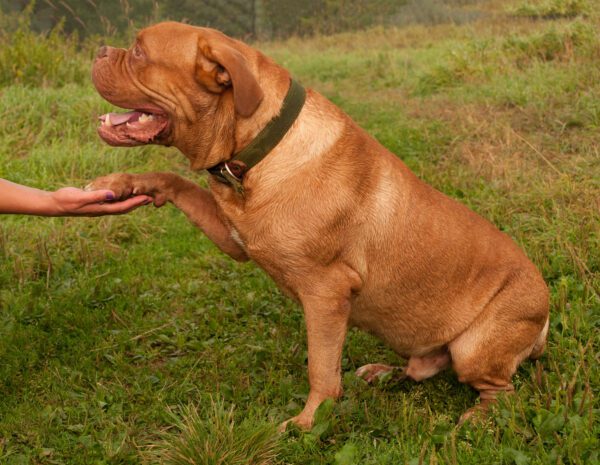
The Dogue De Bordeaux is a loyal, steady, and affectionate guardian that bonds deeply with family. This giant breed loves calm companionship, short daily outings, and plenty of time to nap near its people. The breed’s power and presence make it a confident protector, while its soft heart makes it a gentle friend to respectful children. Thoughtful research helps you understand size, care needs, and temperament before you bring home this remarkable dog.
Adoption lets you give a second chance to a deserving dog while working with people who understand the breed. Many adoptable Dogues in Vermont arrive already vetted and behaviorally assessed, which helps you match the right personality to your home. Vermont’s climate brings long winters and humid summers, so you must plan for cold mornings, icy sidewalks, and heat-sensitive afternoons. The state’s rural roads, wooded trails, and quiet towns can suit this breed’s low-key lifestyle when you manage weather and footing.
The Dogue De Bordeaux tolerates cold weather for short periods but needs a warm indoor space and a dry bed after each outing. Summer heat and humidity in Vermont can challenge a short-muzzled dog, so you must schedule walks at cooler times and provide shade and water. Country properties and suburban homes often fit best, though committed city owners can succeed with structured routines, elevator or stair safety, and regular mental enrichment. Always check local leash rules and licensing requirements so you stay compliant from day one.
You can avoid searching rescues and shelters separately by browsing adoptable Dogue De Bordeaux on Dog Academy. The listings pull opportunities from local animal shelters, regional rescues, and breed-specific rescue groups so you can compare age, temperament, and location in one place. You can also find educational guides and adoption checklists that help you prepare your home, your schedule, and your budget.
Start by reviewing each dog’s profile and noting energy level, sociability, medical needs, and any training history. Submit an application with details about your home, fencing, landlord approval if you rent, current pets, and your daily routine. Many organizations ask for veterinary references and a photo or video of your living space so they can confirm safety for a giant breed. Clear, detailed answers speed decisions and help coordinators match you with a compatible Dogue.
After an application screen, most groups schedule a meet-and-greet. You may meet the dog at a foster home, a shelter, or a neutral outdoor space, and you can bring resident dogs for introductions. Some organizations complete a virtual or in-person home check to review space, flooring, stairs, and door security, which all matter for a powerful adult dog. Approval timelines range from a few days to a few weeks based on responsiveness, background checks, and the dog’s readiness for placement.
Adoptable Dogues may be located outside your town or even outside Vermont. Many rescues arrange transport to move dogs between locations using scheduled vehicles and volunteer drivers. Transport usually includes coordinated pickup points, confirmed health paperwork, and a modest surcharge to cover fuel and staffing. Ask for the exact travel plan and arrival time so you can prepare a secure handoff and a calm first night at home.

|
How Much Does It Cost to Adopt a Dogue De Bordeaux in Vermont?In Vermont, you can expect an adoption fee in the range of $350 to $700 for a Dogue De Bordeaux. The fee reflects giant-breed veterinary costs and the specialized care that rescues invest before placement. Puppies and young adults often sit near the top of the range due to demand and higher early-care expenses, while seniors may be closer to the lower end. The fee usually helps cover spaying or neutering, vaccinations, microchipping, and veterinary exams. Costs can rise when a dog has orthopedic evaluations, dental work, heartworm treatment, or professional training. Pricing also shifts with age, training level, medical care provided, and regional demand. Always ask for an itemized breakdown so you understand exactly what your fee supports. |
How Should I Train a Dogue De Bordeaux?The Dogue De Bordeaux is intelligent and eager to please, yet it can be independent and slow to mature. Short, upbeat sessions with high-value food, clear markers, and calm praise work best. Focus on foundation skills like name recognition, leash manners, reliable recall, impulse control, and a solid settle on a mat. Early socialization builds confidence and reduces overprotective behavior, which helps this guardian breed make good choices in public. Use positive reinforcement and avoid harsh corrections, which can create resistance in a sensitive dog. Manage the environment with baby gates, crate training, and structured rest so a large adolescent does not rehearse rough habits. Consistency matters more than intensity for this heavy, heat-sensitive breed, so train in cool times of day and keep sessions brief. For step-by-step plans that fit giant guardians, explore Dog Academy’s online training courses, which provide clear curricula for obedience, leash skills, and calm behavior at home. |
|
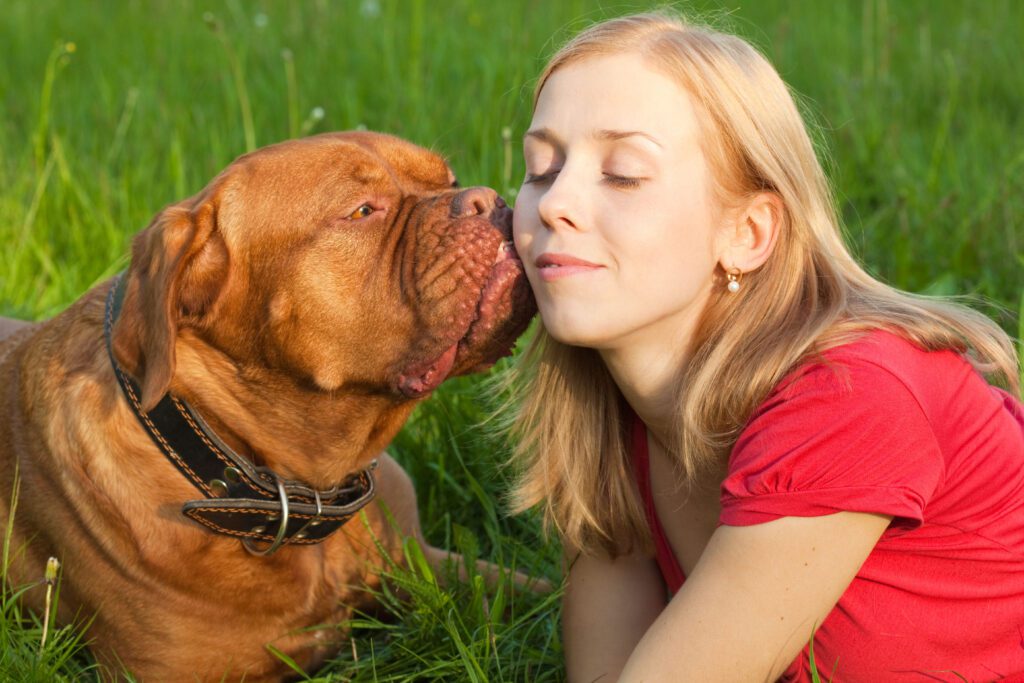
The ideal adopter is patient, safety minded, and ready to guide a powerful but tender dog through a steady routine. Prepare indoor space, secure entry points, non-slip rugs, and a realistic budget for quality food and veterinary care. Gather training gear, set household rules, and plan gradual introductions so your new companion can relax and learn. Take your time, ask detailed questions, and use trusted resources so you adopt a Dogue De Bordeaux in Vermont with confidence and long-term success.

Introducing a new puppy to your current dog is often an exciting process, and many dogs will become fast friends and eas...
Read More
Rescue dogs can make great companions and can transform your home into something better. These dogs make great pets and ...
Read More
You should never rush to pet a dog. Even dog owners make the mistake of approaching unfamiliar dogs and petting them rig...
Read More
Puppy mill dogs are survivors who have endured extreme hardships in their lives. They have grown up in horrendous, unsan...
Read More
With their wagging tails and comforting presence, adopting a dog can add a unique touch to your life. It’s a heart...
Read More
Older dogs may have a few gray hairs around the edges, but that doesn’t mean they can’t make wonderful companions! T...
Read More