


Introducing a new puppy to your current dog is often an exciting process, and many dogs will become fast friends and eas...
Read MoreAdopt Me

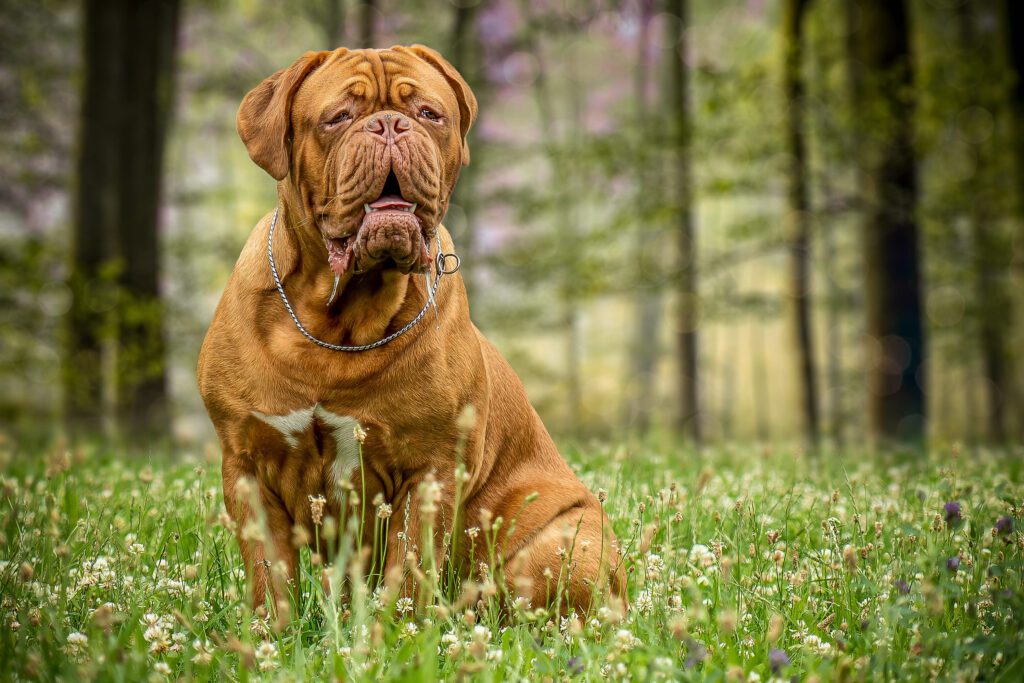

The Dogue De Bordeaux is a steady, devoted companion with a giant heart to match a giant frame. Many owners love this breed’s calm nature at home, deep loyalty to family, and natural watchfulness. With sound socialization, a Dogue De Bordeaux can be gentle, affectionate, and wonderfully patient. Expect drool, snoring, and a lumbering presence that prefers to stay close to you.
Adopting a Dogue De Bordeaux starts with research and a clear picture of your lifestyle. Most shelters and rescues use an application that asks about experience, schedule, housing, fencing, other pets, and veterinary history. Many will require a meet-and-greet with all household members and may request a home check. If approved, you will sign an adoption agreement and pay a fee that supports the dog’s medical care. Reputable groups provide medical records, vaccination updates, spay or neuter status, and microchip information.
This breed is not common in shelters, so finding an available Dogue De Bordeaux can take time. Check municipal shelters, all-breed rescues, and especially breed-specific rescues that focus on mastiffs. To make the search easier, browse curated listings on Dog Academy. Dog Academy collects verified rescue and shelter profiles, so you can quickly see which Dogue De Bordeaux dogs are available and which groups have waiting lists.
Typical adoption fees for a Dogue De Bordeaux range from $250 to $550. Costs vary by age, medical history, and the level of veterinary care provided by the rescue. Higher fees often reflect procedures like entropion repair, orthopedic evaluations, dental work, and heartworm treatment. Seniors or dogs with ongoing needs may have reduced fees, while highly vetted young adults may be at the upper end. Budget for initial supplies and a first veterinary visit as well, since a giant breed requires sturdy equipment and careful preventive care.
Plan for a quiet, structured landing when your new dog arrives. Set up a crate or calm rest area, keep the first days low key, and follow a simple routine for meals, potty breaks, and sleep. Giant breeds can be sensitive to change, so expect a short adjustment period with extra panting, drooling, or clinginess. Go slow with introductions to visitors and other pets. Reward relaxed behavior and give frequent breaks so your Dogue De Bordeaux can settle.
Exercise needs are moderate. Most adults do best with 2 or 3 short walks and relaxed play each day. Choose joint-friendly activities on soft surfaces and avoid long runs or stairs. This breed overheats easily, especially in warm weather, so schedule walks during cooler hours and provide shade and water. Mental work matters. Short training sessions, food puzzles, and scent games help prevent boredom and build confidence.
Grooming is simple but consistent. Brush the short coat weekly and wipe facial folds daily to keep the skin clean and dry. Expect heavy drool and keep towels handy. Trim nails often, clean ears, and brush teeth several times per week. Feed a high-quality large-breed diet, split into 2 or 3 meals, and use a slow feeder to reduce gulping. Avoid vigorous exercise 1 hour before and after meals to lower bloat risk. Temperament is loyal, steady, and sometimes stubborn, so training should be clear and kind. Use reward-based methods that reinforce calm attention, loose-leash walking, polite greetings, and reliable recall. For expert guidance, follow Dog Academy’s online and in-person training. Programs are led by professionals who know large guardian breeds and provide step-by-step support from day one.
|
Is It a Good Idea to Adopt a Dogue De Bordeaux As Your First Dog?This breed can be a rewarding choice for a prepared first-time owner, but it is not the easiest start. A Dogue De Bordeaux is massive and strong, with natural guarding instincts and a stubborn streak. Energy is low to moderate, yet physical handling can be challenging if leash skills are not in place. The breed needs early socialization, steady routines, and clear boundaries. Mental stimulation is just as important as walks. If you are committed to training and management, you can succeed. Begin with foundation skills, impulse control, and careful introductions to new people and places. Dog Academy training can help new owners build confidence, prevent common issues, and keep progress on track through structured online lessons and professional in-person options. |
Adopt the Right Dogue De Bordeaux for YouTake time to research, meet several dogs, and choose a temperament that matches your home. Plan for measured exercise, simple grooming, high-quality nutrition, and consistent, reward-based training. Patience during the first weeks pays off with a calm, connected companion. Dog Academy makes it easier to adopt the right Dogue De Bordeaux by curating adoption listings, clarifying rescue requirements, and providing expert guidance after you bring your dog home. With self-paced online training and professional in-person support, you will have a clear path to long-term success. |

|

Introducing a new puppy to your current dog is often an exciting process, and many dogs will become fast friends and eas...
Read More
Rescue dogs can make great companions and can transform your home into something better. These dogs make great pets and ...
Read More
You should never rush to pet a dog. Even dog owners make the mistake of approaching unfamiliar dogs and petting them rig...
Read More
Puppy mill dogs are survivors who have endured extreme hardships in their lives. They have grown up in horrendous, unsan...
Read More
With their wagging tails and comforting presence, adopting a dog can add a unique touch to your life. It’s a heart...
Read More
Older dogs may have a few gray hairs around the edges, but that doesn’t mean they can’t make wonderful companions! T...
Read More