



























































































































































































Introducing a new puppy to your current dog is often an exciting process, and many dogs will become fast friends and eas...
Read MoreAdopt Me

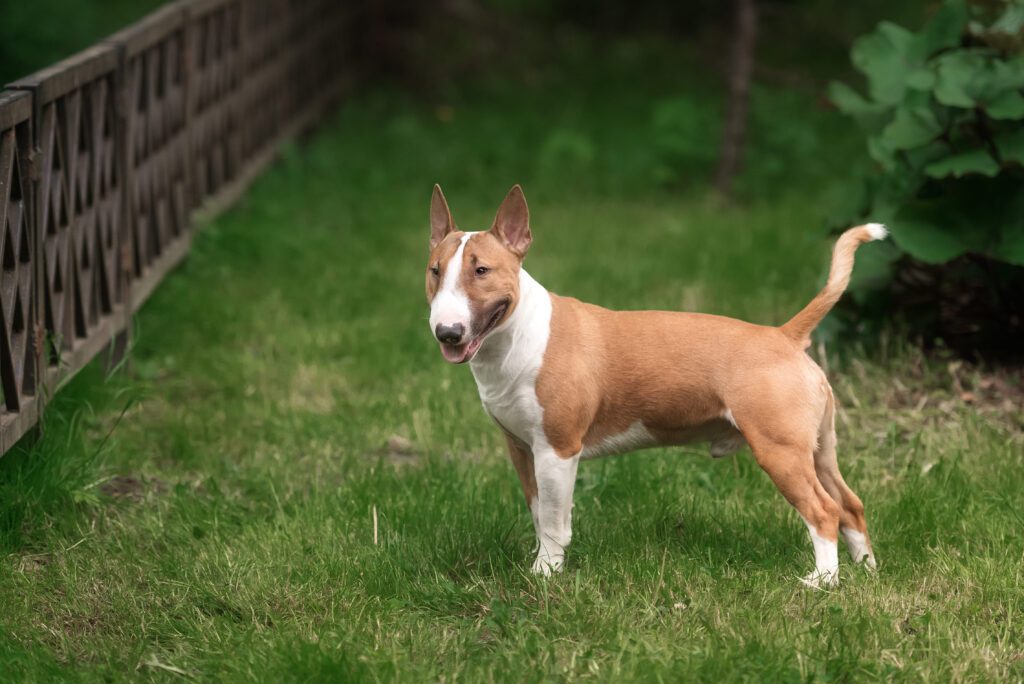
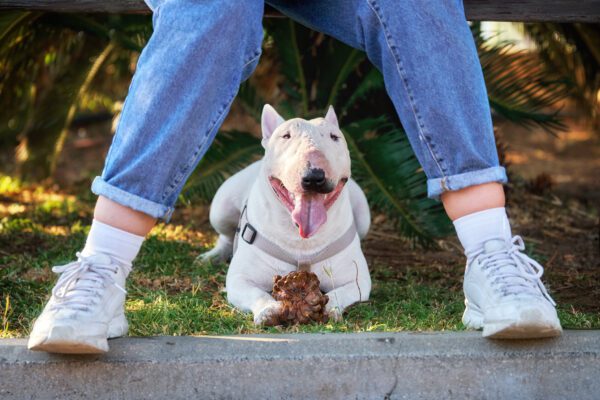
Bull Terriers are bold, affectionate, and famously clownish. The breed bonds closely with people and thrives on daily interaction. A Bull Terrier brings high energy, sturdy athleticism, and a playful spirit that keeps families smiling. The same power and enthusiasm also require consistent guidance, clear rules, and regular exercise.
Thoughtful research sets you and your dog up for success. A Bull Terrier needs time for training, a plan for exercise, and a budget for food and veterinary care. Adoption is a smart path because it supports animal welfare, gives a deserving dog a second chance, and often includes vital veterinary services and behavior insights gathered by caregivers.
Vermont offers four true seasons and plenty of outdoor adventure. Snowy winters can challenge a short-coated Bull Terrier, so warm jackets, paw protection, and shorter cold-weather outings help. Rural roads, forests, and farms call for reliable leash manners and recall around wildlife. Apartments in Vermont can work when daily walks, play sessions, and indoor enrichment meet the breed’s needs. Summer ticks are common in wooded areas, so consistent prevention and post-walk checks are important.
You can avoid searching shelters and rescues one by one by browsing Dog Academy’s adoption listings. Visit Dog Academy to see available Bull Terriers, learn about requirements, and access educational guides and adoption checklists. These resources help you prepare documents, set up your home, and plan the first week with your new dog.
Adoptable Bull Terriers appear through local animal shelters, regional rescues, and breed-specific rescue groups. Many Vermont adopters also look in neighboring states when local options are limited. Transport is often arranged by rescues to move dogs between states, and teams coordinate safe travel to a pickup location that works for adopters.
The process starts with browsing listings and reading each profile with care. Ask for behavior notes, medical records, and any known triggers or training history. Submit an application that includes references, proof of residence, and landlord approval if you rent. A coordinator reviews your information and explains next steps.
Most groups schedule a phone interview, followed by a meet-and-greet. Meetings may occur at a shelter, a foster home, or a neutral outdoor space. Home checks are common and can be virtual or in person. The goal is to confirm safe containment, secure storage for cleaning products and medications, and a plan for exercise and supervision. Final approval timelines vary by organization, but most decisions arrive within 1 to 3 weeks. Adoption is completed after you sign a contract, pay the fee, and set a pickup date.
|
How Much Does It Cost to Adopt a Bull Terrier in Vermont?In Vermont, most adopters pay $275 to $550 to adopt a Bull Terrier. Adults 2 years and older usually range from $275 to $425. Puppies under 1 year usually range from $450 to $550. Fees reflect age, training progress, medical care already provided, and local demand for the breed. Some fees also account for transport when a dog travels from another location. Adoption packages often include spaying or neutering, vaccinations, microchipping, and veterinary exams. Costs increase when a dog has received recent dental work, specialist care, or professional training. Costs can decrease for seniors or dogs with ongoing medical needs when organizations work to remove barriers for thoughtful adopters. |
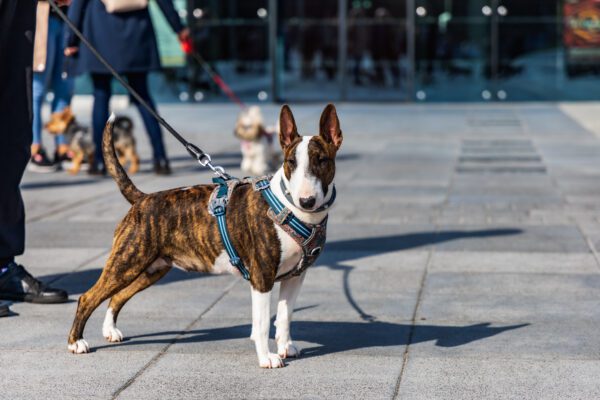
How Should I Train a Bull Terrier?Bull Terriers are smart and eager, yet strong willed. The breed learns quickly when training is clear, upbeat, and consistent. Positive reinforcement builds trust and replaces pushy behavior with polite choices. Keep sessions short and lively, reward calm moments, and break skills into small steps. Early socialization to people, dogs, surfaces, and sounds helps a Bull Terrier grow into a confident companion. Common challenges include pulling on leash, jumping to greet, and mouthy play. Daily exercise prevents frustration and channels energy in healthy ways. Plan 60 to 90 minutes of activity split into brisk walks, structured fetch, and short training games. Use a properly fitted harness, teach loose-leash walking, and practice impulse control with sit-and-wait at doorways and food bowls. Mental enrichment matters as much as mileage, so add scent games, puzzle feeders, and short obedience drills. For step-by-step guidance, explore Dog Academy’s online training courses, which provide lesson plans you can follow at home. |
|
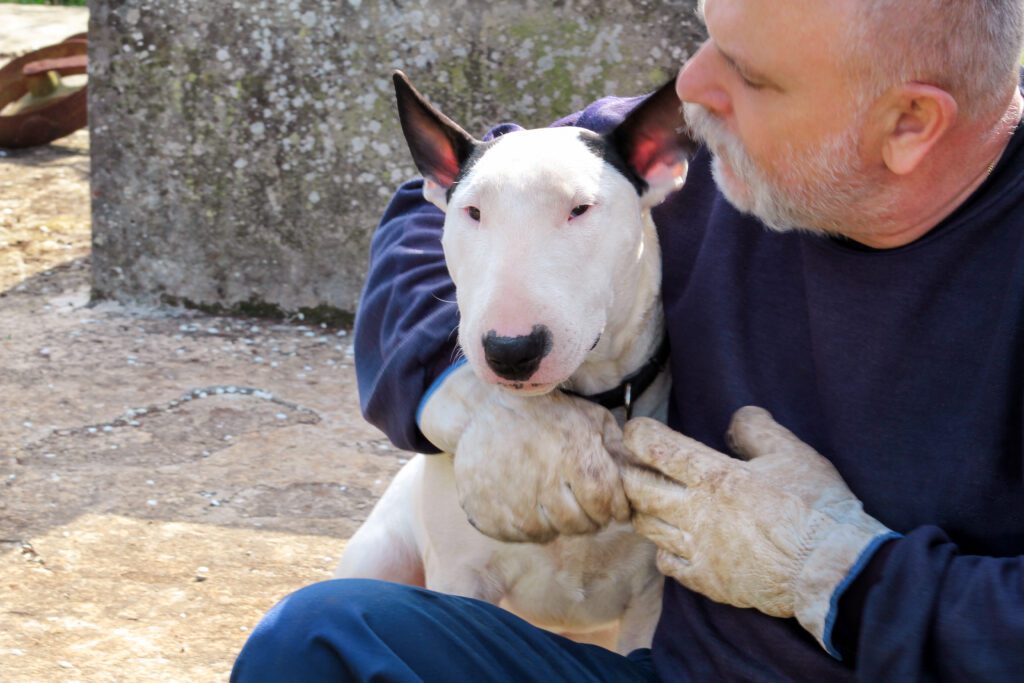
The ideal Bull Terrier adopter has energy, patience, and a love for daily routines. A secure management plan, regular exercise, and kind structure help this breed shine. Vermont adopters prepare best by planning indoor activities for winter, stocking cold-weather gear, and mapping safe walking routes.
Take your time as you evaluate each dog’s energy level, training history, and medical needs. Set up supplies before pickup day, schedule a first veterinary visit, and plan your first week with clear routines. With preparation and steady training, you can adopt a Bull Terrier in Vermont and enjoy a loyal, joyful companion for years to come.

Introducing a new puppy to your current dog is often an exciting process, and many dogs will become fast friends and eas...
Read More
Rescue dogs can make great companions and can transform your home into something better. These dogs make great pets and ...
Read More
You should never rush to pet a dog. Even dog owners make the mistake of approaching unfamiliar dogs and petting them rig...
Read More
Puppy mill dogs are survivors who have endured extreme hardships in their lives. They have grown up in horrendous, unsan...
Read More
With their wagging tails and comforting presence, adopting a dog can add a unique touch to your life. It’s a heart...
Read More
Older dogs may have a few gray hairs around the edges, but that doesn’t mean they can’t make wonderful companions! T...
Read More