



























































































































































































Introducing a new puppy to your current dog is often an exciting process, and many dogs will become fast friends and eas...
Read MoreAdopt Me
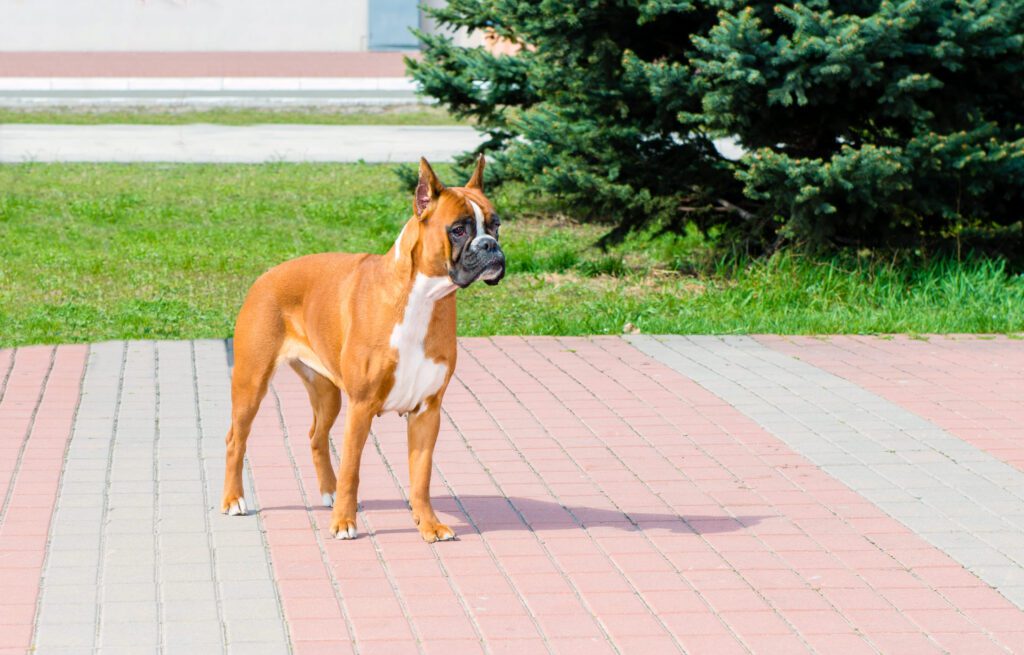

Boxers are joyful, athletic, and deeply loyal. The breed is famous for expressive faces, clownish play, and steady affection with family. A well-bred and well-trained Boxer offers eager companionship, solid watchdog instincts, and a love of games that keeps daily life lively and fun.
Research matters before you adopt a Boxer in Vermont. Understanding exercise needs, grooming needs, and health tendencies helps you choose with confidence. Adoption often provides a clearer picture of temperament and energy level, along with post-adoption support that new owners value. Choosing adoption also opens a spot for another dog in need and reduces demand for commercial breeding.
Vermont’s seasons can suit active Boxers when owners plan carefully. The state offers quiet roads, wooded trails, and plenty of room for structured play. Winters are cold and snowy, and Boxers have short coats and short muzzles that reduce cold tolerance. A warm jacket, paw protection, and shorter outdoor sessions keep exercise safe. Summers can feel humid, and Boxers can overheat quickly, so aim for shade, water breaks, and cooler times of day. Fall and spring are often prime for long walks and sniffing adventures, while indoor enrichment keeps minds busy during mud season.
You can skip searching rescues and shelters separately by using Dog Academy. The adoption listings let you browse available Boxers across local animal shelters, regional rescues, and breed-specific rescue groups in one place. You can also find clear educational guides and adoption checklists that help you prepare your home and plan your first weeks.
Adoptable Boxers appear through local animal shelters, regional rescues, breed-specific rescue groups, and foster networks. Listings usually include age, size, behavior notes, and medical updates. Some groups place dogs statewide, while others serve all of New England. When distance is a barrier, transport is often arranged by rescues to move dogs between states, and these trips use approved drivers and scheduled handoffs to keep travel safe.
The process starts by browsing listings and selecting dogs that match your lifestyle. You submit an application that covers household details, schedule, fencing, and landlord permissions when rentals apply. Many groups request personal references, a veterinary reference for current pets, and proof of readiness such as a plan for exercise and training. A phone interview often follows to discuss expectations and care routines.
Next comes a meet-and-greet to confirm fit with all family members and any resident pets. Home checks help verify safety, which can be virtual or in person. Approval timelines vary by group, but most decisions arrive within 1 to 3 weeks once references and checks are complete. After approval, you sign an adoption agreement, pay the fee, and schedule pick up or transport. Prepare a quiet decompression space, a crate, quality food, and a simple routine for the first 2 weeks, since calm structure helps a Boxer settle quickly.

|
How Much Does It Cost to Adopt a Boxer in Vermont?In Vermont, typical adoption fees for a Boxer range from $350 to $550. The final amount reflects age, prior training, completed medical care, and local demand. Puppies and young adults often sit near the top of the range because preventive care and high demand increase costs. Seniors and special-needs dogs may be closer to the lower end. When transport is involved, fees can rise slightly to cover fuel, interstate health certificates, and supplies. Most adoption fees include spaying or neutering, vaccinations, microchipping, and veterinary exams. Many groups also provide heartworm testing, flea and tick prevention, and deworming. Dogs that received dental work, orthopedic care, or behavior support may carry higher fees that reflect those services. |
How Should I Train a Boxer?Boxers are bright, people focused, and eager to learn, yet they can be bouncy and impulsive. Short, upbeat sessions work best because the breed responds to energy and clarity. Use positive reinforcement with food, toys, and praise, and reward calm choices like four paws on the floor and quiet sits before greetings. Consistent boundaries, daily exercise, and structured play reduce jumping, mouthing, and leash pulling. Prioritize early socialization, loose-leash walking, reliable recall, and impulse control. Crate training, alone-time training, and enrichment puzzles help prevent separation issues and boredom. If you want step-by-step guidance, explore Dog Academy’s online training courses, which cover puppy foundations, manners, loose-leash walking, recall, and enrichment plans tailored for high-energy breeds like Boxers. |
|
The ideal Vermont home for a Boxer offers daily exercise, kind structure, and indoor living with the family. Active owners who enjoy brisk walks, training games, and cozy evenings will see the breed thrive. Families with dog-savvy children often love a Boxer’s gentle play and loyal nature when training and supervision stay consistent.
Take time to research, prepare your space, and choose a dog whose energy and needs match your routine. Gather supplies, plan a gradual routine, and set clear training goals before arrival. When you are ready to adopt a Boxer in Vermont, browse listings through Dog Academy, move at a thoughtful pace, and welcome your new companion with patience and confidence.

Introducing a new puppy to your current dog is often an exciting process, and many dogs will become fast friends and eas...
Read More
Rescue dogs can make great companions and can transform your home into something better. These dogs make great pets and ...
Read More
You should never rush to pet a dog. Even dog owners make the mistake of approaching unfamiliar dogs and petting them rig...
Read More
Puppy mill dogs are survivors who have endured extreme hardships in their lives. They have grown up in horrendous, unsan...
Read More
With their wagging tails and comforting presence, adopting a dog can add a unique touch to your life. It’s a heart...
Read More
Older dogs may have a few gray hairs around the edges, but that doesn’t mean they can’t make wonderful companions! T...
Read More