

























































































































































































Introducing a new puppy to your current dog is often an exciting process, and many dogs will become fast friends and eas...
Read MoreAdopt Me




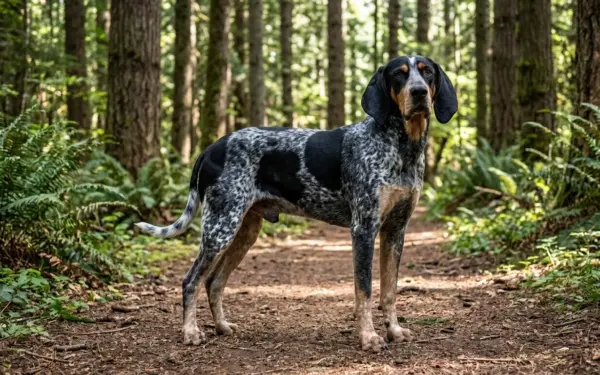
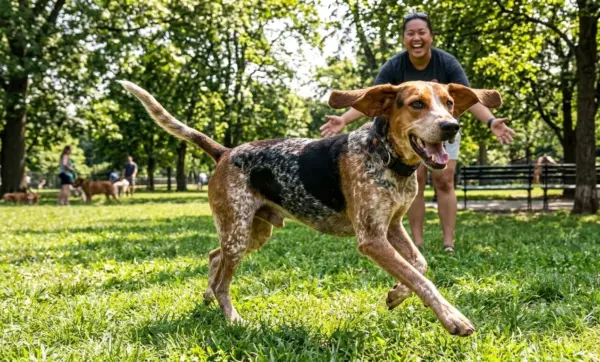
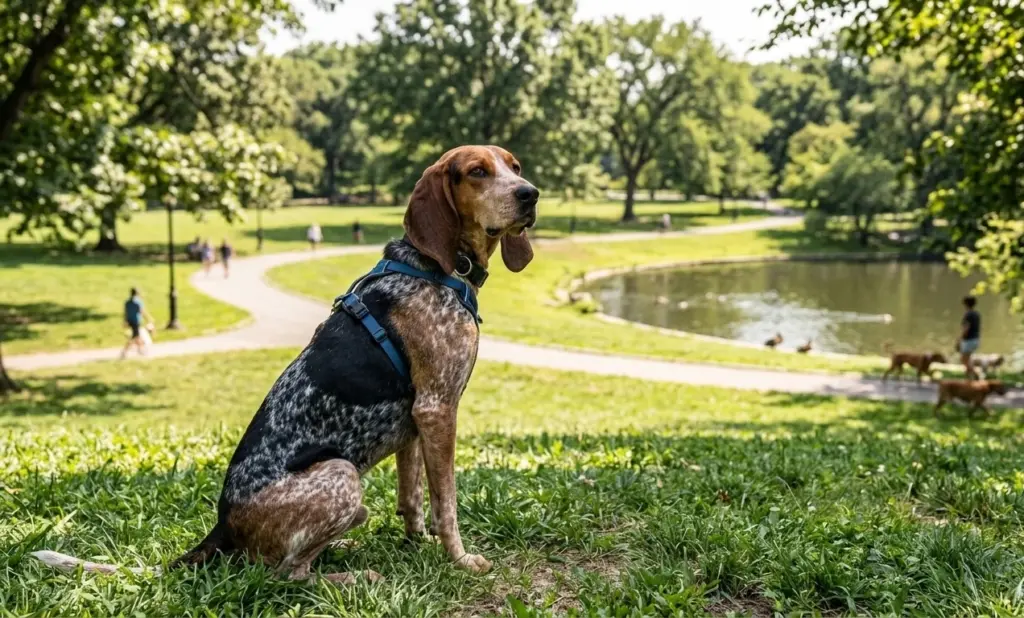
The Bluetick Coonhound is a loyal, athletic, and affectionate companion. This breed loves people and thrives on adventure. A Bluetick is curious and determined, and the breed uses a powerful nose to explore every trail and hedgerow. The deep bay is part of the charm, and the voice carries across open spaces. With training and structure, a Bluetick Coonhound becomes a fun, engaging family dog.
Research matters before you adopt. Understanding energy levels, scent-driven behavior, and vocal tendencies helps you prepare your home and your routine. Adoption offers you a thoughtful match and gives a deserving dog a second chance. You also help reduce demand for irresponsible breeding while gaining support from experienced adoption counselors.
Vermont suits this breed when you plan for weather, terrain, and lifestyle. The state offers forests, rolling hills, and mountain trails that invite daily hikes and long walks. Winters are cold and snowy, and spring can be wet and muddy. A Bluetick Coonhound has a short, dense coat, so the dog stays comfortable with movement and with a warm jacket during long outings in freezing weather. Tick prevention is essential in wooded areas, and a secure fence is important due to strong prey drive. Rural and suburban homes tend to fit the breed best, while apartments can work with daily exercise and thoughtful sound management.
You can avoid searching for rescues and shelters separately by browsing listings on Dog Academy. You will see adoptable Bluetick Coonhounds gathered in one place. You will also find educational guides and adoption checklists that walk you through every step. You still can explore local animal shelters, regional rescues, and breed-specific rescue groups, but a single hub saves time and keeps your search organized.
Start by browsing current profiles and reading the notes on age, temperament, and medical history. Submit an application that shares your experience, schedule, housing details, and any resident pets. Many groups request personal references, a veterinary reference, and landlord approval when you rent. Coordinators often set a meet-and-greet to see how the dog interacts with your family and any pets. Some groups schedule a home check or a virtual home check to confirm safety, fencing, and indoor space.
Approval timelines vary. A straightforward application often takes 3 to 10 days. More complex matches can take 1 to 3 weeks. After approval, you will sign an adoption contract, pay the fee, and schedule pick up. Some groups offer a foster-to-adopt period that allows you to confirm the fit before finalizing.
Bluetick Coonhounds are common in the southern United States, and many arrive in New England through organized transport. Transport is often arranged by rescues to move dogs between states using volunteer drivers or licensed carriers. Dogs travel with health certificates, and arrivals are scheduled at safe meeting points. Coordinators explain pickup details and any acclimation tips for the first days at home.
|
How Much Does It Cost to Adopt a Bluetick Coonhound in Vermont?Expect most Vermont shelters and rescues to set adoption fees around $350 to $500 for adults and $450 to $650 for puppies. Seniors and dogs with special needs may be lower, often $200 to $350, to encourage the right match. Fees reflect costs already invested in the dog, which typically include spaying or neutering, vaccinations, microchipping, and veterinary exams. When transport is used, the fee may include a portion of transport and interstate health documentation. Age, training, medical care, and demand influence price. Puppies and highly social adults tend to be at the upper end. Dogs that arrive fully vetted, housetrained, and evaluated with other pets may also cost more. A senior dog or a dog that needs follow-up care often costs less to help the dog find the right home. |
How Should I Train a Bluetick Coonhound?Bluetick Coonhounds are intelligent and eager, yet they are scent-driven and independent. Positive reinforcement works best. Use food rewards, clear markers, and short sessions. Teach leash manners, impulse control, and a strong recall from day one. Practice recall away from wildlife, then add distance and distractions gradually. Provide daily mental work through scent games, tracking exercises, and problem-solving toys to focus the powerful nose. Keep training upbeat and consistent. Avoid harsh corrections that can shut down learning or increase stress vocalization. Crate training helps with decompression and travel. Sound management helps neighbors and your household. Structured exercise and enrichment reduce nuisance baying and wandering. For step-by-step guidance, explore Dog Academy’s online training courses, which cover recall, loose-leash walking, polite greetings, and confidence building for active hounds. |
|
The ideal adopter enjoys daily activity and patient training. A fenced yard, a love of hiking or snowshoeing, and a calm approach to scent-driven behavior make a great match. Households that value routine and enrichment will see the best from this breed.
Take your time, prepare your home, and set realistic expectations for the first weeks. Research care, training, and health needs. Browse current listings on Dog Academy, learn from expert guides, and move at a pace that respects both you and the dog. A thoughtful process will help you adopt a Bluetick Coonhound in Vermont that feels like family from day one.

Introducing a new puppy to your current dog is often an exciting process, and many dogs will become fast friends and eas...
Read More
Rescue dogs can make great companions and can transform your home into something better. These dogs make great pets and ...
Read More
You should never rush to pet a dog. Even dog owners make the mistake of approaching unfamiliar dogs and petting them rig...
Read More
Puppy mill dogs are survivors who have endured extreme hardships in their lives. They have grown up in horrendous, unsan...
Read More
With their wagging tails and comforting presence, adopting a dog can add a unique touch to your life. It’s a heart...
Read More
Older dogs may have a few gray hairs around the edges, but that doesn’t mean they can’t make wonderful companions! T...
Read More