



























































































































































































Introducing a new puppy to your current dog is often an exciting process, and many dogs will become fast friends and eas...
Read MoreAdopt Me

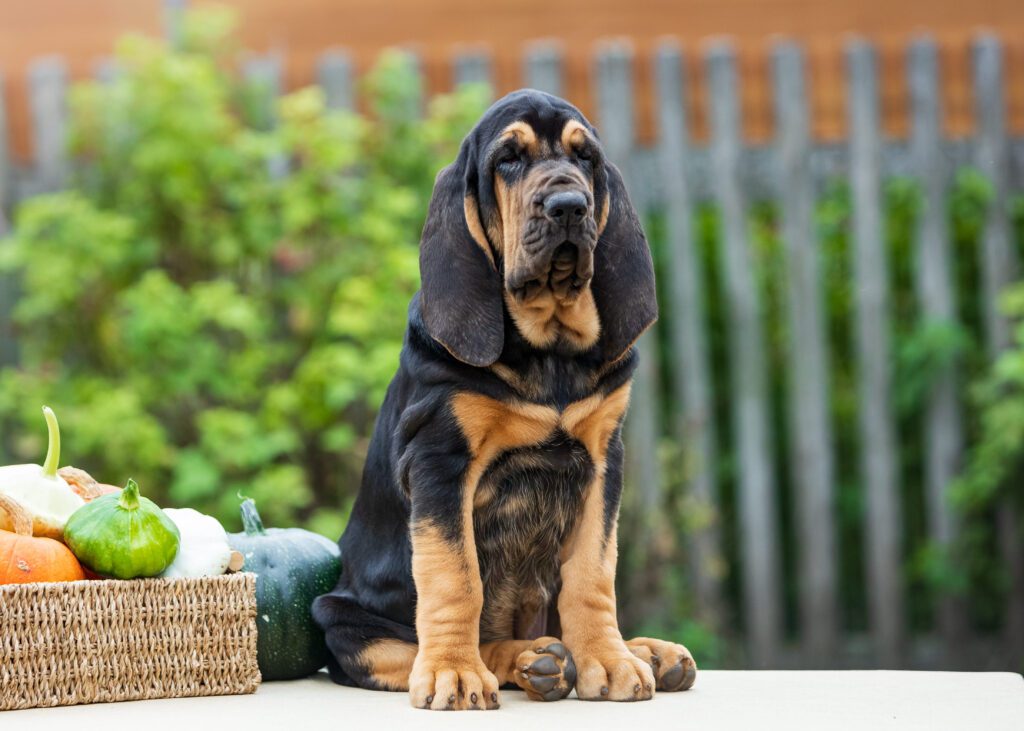

Bloodhounds are gentle, devoted, and famously determined when a scent catches their interest. They are affectionate with family and tolerant with respectful children, yet they stay independent during work and training. Their melodious bay and generous drool add to their charm, so an adopter should love big hounds and everything that comes with them.
Research matters before you adopt a Bloodhound in Vermont. This breed needs daily scent-focused exercise, patient training, and secure management. Adoption gives a dog a second chance, supports responsible placement, and often includes important veterinary care. Vermont offers forested trails, cool summers, and long winters, which can suit a thick-skinned hound that enjoys brisk walks and snow play. The state’s hills and rural roads invite long sniffing adventures, though mud season and icy sidewalks call for traction, warm gear, and careful paw care.
Vermont’s climate and geography reward prepared owners. A sturdy fence helps contain a powerful nose that loves to roam. Consistent leashing protects a Bloodhound from traffic and wildlife. Ample time, patience, and a calm routine help this thoughtful dog settle and thrive.
You can avoid searching rescues and shelters separately by browsing Bloodhound listings on Dog Academy. The listings gather adoptable dogs from local animal shelters, regional rescues, and breed-specific rescue groups in one place. You can also use Dog Academy checklists and guides to prepare for transport, home checks, and your dog’s first week at home. Local animal shelters, regional rescues, and foster networks across Vermont and nearby states also post adoptable Bloodhounds. Some groups place dogs through foster homes, while others adopt directly from a shelter setting.
Start by browsing current profiles and reading each dog’s notes on temperament, health, and energy level. Submit a detailed application that explains your schedule, home setup, fencing, and experience with large scent hounds. Many groups verify landlord approval, contact personal or veterinary references, and ask for photos or a virtual walk-through of your home.
Next comes a meet-and-greet. You may meet the dog at a shelter, at an adoption event, or at a foster home. Bring everyone who lives in your home so the organization can see the match. Some rescues schedule a home check to confirm safety items such as secure gates, proper trash storage, and a place to rest. Approval timelines vary, yet most adopters in Vermont can expect 1 to 3 weeks from application to adoption. Straightforward cases move faster, while medical or behavioral consultations can add time.
If a good match lives outside Vermont, rescues may arrange transport to move dogs between locations. Transport is often organized with volunteer drivers or professional carriers who move dogs in stages with scheduled rest stops. Reputable groups use health certificates and clear handoff procedures, and they coordinate pick-up locations and times in advance.
|
How Much Does It Cost to Adopt a Bloodhound in Vermont?In Vermont, you can expect to pay about $250 to $500 to adopt an adult Bloodhound through a local shelter, while breed-focused rescues often set fees between $350 and $650. Puppies usually cost $450 to $700 due to higher demand and preventive veterinary care, and seniors often cost $150 to $300 to encourage placement. Fees vary with age, training, medical care, and regional demand, and fees can increase if transport or specialized treatment is included. Most adoption fees help cover spaying or neutering, vaccinations, microchipping, and veterinary exams. Many groups also include flea and tick prevention, deworming, and a recent heartworm test. Dogs with advanced training, recent dental work, or orthopedic treatment can carry higher fees that reflect those costs. |
How Should I Train a Bloodhound?Bloodhounds are intelligent and driven by scent, which makes them eager trackers and thoughtful learners. They respond best to short, upbeat sessions and high-value rewards. Harsh corrections shut down a sensitive hound, while calm guidance builds trust and focus. Consistency and patience matter more than speed with this breed. Common challenges include distracted sniffing, pulling on leash, and slow recalls. Teach a strong hand target and a cheerful check-in cue to redirect the nose back to you. Use a front-clip harness and reward loose-leash walking on every step. Build recall with a long line, a clear cue, and generous reinforcement, then add controlled scent breaks so your dog learns that coming back earns more sniffing time. Channel the nose with structured outlets such as tracking, trailing games, and hide-and-seek with scent articles. Rotate puzzle feeders, practice calm settle on a mat, and crate train for safe travel and rest. If you want a guided plan, explore Dog Academy’s online training courses for step-by-step lessons on recall, impulse control, polite leash skills, and enrichment for scent hounds. |
|
The ideal Bloodhound adopter enjoys long, sniff-filled walks, has a secure yard, and appreciates a gentle giant with a musical voice. Time for training, patience with drool, and a reliable routine will help your hound settle into Vermont life, from snowy mornings to leafy trail days.
Prepare your home, gather supplies, and learn the breed’s needs before you apply. Take your time, ask clear questions, and choose the dog whose energy and temperament match your lifestyle. With thoughtful planning and steady guidance, you can adopt a Bloodhound in Vermont and welcome a loyal partner for years to come.

Introducing a new puppy to your current dog is often an exciting process, and many dogs will become fast friends and eas...
Read More
Rescue dogs can make great companions and can transform your home into something better. These dogs make great pets and ...
Read More
You should never rush to pet a dog. Even dog owners make the mistake of approaching unfamiliar dogs and petting them rig...
Read More
Puppy mill dogs are survivors who have endured extreme hardships in their lives. They have grown up in horrendous, unsan...
Read More
With their wagging tails and comforting presence, adopting a dog can add a unique touch to your life. It’s a heart...
Read More
Older dogs may have a few gray hairs around the edges, but that doesn’t mean they can’t make wonderful companions! T...
Read More