


Introducing a new puppy to your current dog is often an exciting process, and many dogs will become fast friends and eas...
Read MoreAdopt Me

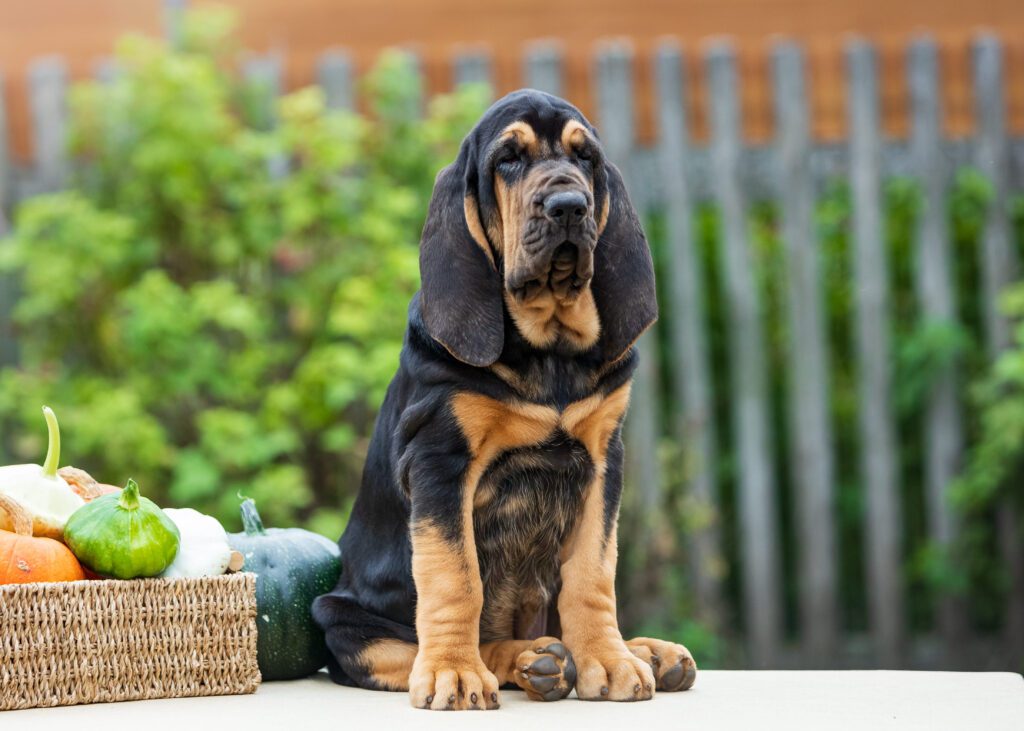
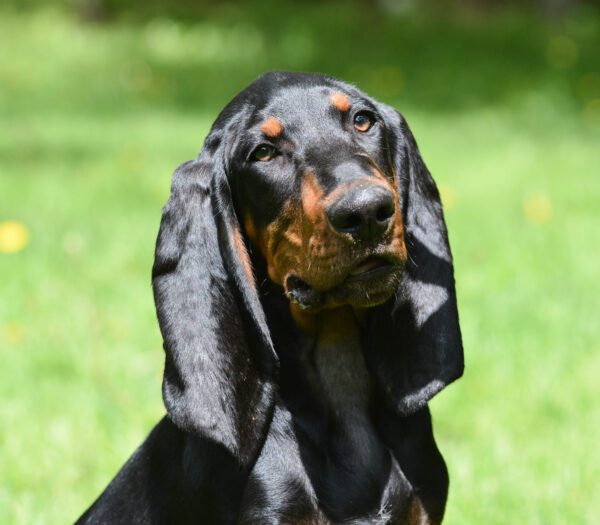
The Bloodhound is a gentle, thoughtful companion with world-class scenting ability. Many people love their calm nature indoors, soft eyes, and devotion to family. They are also famous for a booming voice and a lovable amount of drool. If you enjoy long walks, nose work, and a steady friend, a Bloodhound can be a wonderful match.
To adopt a Bloodhound, start by learning the breed’s needs. Then search local shelters, all-breed rescues, and breed-specific groups. Because purebred Bloodhounds are less common in shelters, you may need patience. Browse curated adoption listings on Dog Academy. Dog Academy makes it easier to find available Bloodhound dogs by gathering quality listings in one place and keeping them current.
Expect a thoughtful screening process. Most groups require an application, references, and a landlord check if you rent. Many ask for a virtual or in-person home visit and a meet-and-greet with pets and family. Breed rescues often use waiting lists and match dogs to homes based on lifestyle. Secure fencing and a plan for exercise are common requirements, since Bloodhounds follow their noses.
Adoption fees vary by organization and region. For Bloodhounds, municipal shelters often charge about $100 to $250. Breed-specific rescues typically charge $300 to $600. The fee reflects age, medical care, spay or neuter, microchip, and any transport or training already provided. Puppies and dogs with recent veterinary workup may be on the higher end. Always ask what the fee covers so you can budget responsibly.
Give your new Bloodhound time to decompress. The first 2 to 3 weeks are an adjustment. Keep a calm routine with frequent potty breaks, predictable meals, and quiet rest. Set up a crate or comfy area so your dog has a safe retreat. Supervise doorways and yards since many Bloodhounds try to follow interesting scents. Expect a sweet, sensitive dog that bonds deeply yet shows independent streaks outdoors.
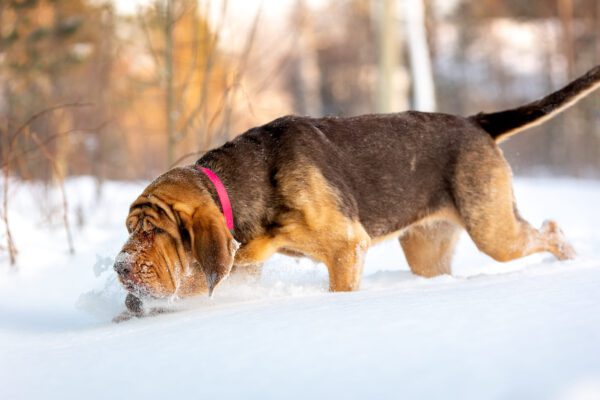
They need daily exercise with a focus on the nose. Plan 60 to 90 minutes of low to moderate activity, such as long sniff walks, tracking games, and structured decompression strolls. Use a secure leash or long line in open spaces. Grooming is straightforward but consistent. Brush weekly, wipe drool as needed, and clean ears 2 to 3 times per week to reduce infections. Keep nails short and check skin folds and lips. Feed a high-quality large-breed diet in 2 to 3 meals. Use slow feeders and reduce activity right after meals to help lower bloat risk. Keep your Bloodhound lean to protect joints.
Training works best with reward-based methods. Bloodhounds respond to food, scent games, and calm praise. Keep sessions short and engaging. Focus early on loose-leash walking, recall management with a long line, impulse control, and a strong “leave it.” Scent-based enrichment reduces boredom and helps prevent baying. For structured guidance, explore Dog Academy’s online and in-person training. Programs are expert-led and supportive, with step-by-step plans tailored to hounds. Consistent practice builds manners while preserving their amazing nose and natural curiosity.
|
Is It a Good Idea to Adopt a Bloodhound As Your First Dog?A first-time owner can succeed with a Bloodhound, but it takes preparation. The breed is large and strong, with powerful pulling if a scent appears. They have moderate energy yet significant endurance, so they need steady exercise and mental work. Training can feel challenging because they are independent and easily distracted by smells. They also drool and can be vocal, which some households may find tough. With structure and the right tools, many new owners thrive. A well-fitted harness, a daily routine, safe confinement, and scent-based rewards go a long way. Dog Academy training can help you build reliable skills, manage recall safely, and design enrichment that keeps a Bloodhound focused and content. |
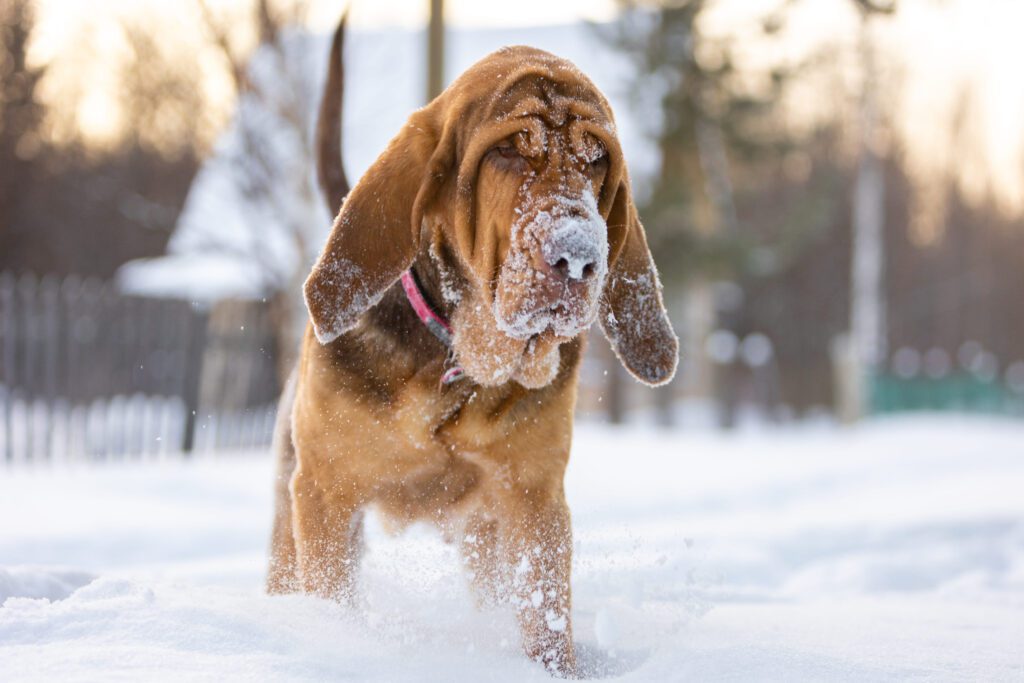
Adopt the Right Bloodhound for YouBloodhounds are gentle, loyal, and brilliant at following scent. They do best with clear routines, patient training, and plenty of nose work. Take time to learn the breed, budget for care, and choose a dog whose energy and temperament match your home. Dog Academy helps you adopt the right Bloodhound by curating trustworthy listings and guiding you through each step. With expert resources, self-paced programs, and professional in-person training, you will be ready for long-term success with a happy, well-mannered companion. |
|

Introducing a new puppy to your current dog is often an exciting process, and many dogs will become fast friends and eas...
Read More
Rescue dogs can make great companions and can transform your home into something better. These dogs make great pets and ...
Read More
You should never rush to pet a dog. Even dog owners make the mistake of approaching unfamiliar dogs and petting them rig...
Read More
Puppy mill dogs are survivors who have endured extreme hardships in their lives. They have grown up in horrendous, unsan...
Read More
With their wagging tails and comforting presence, adopting a dog can add a unique touch to your life. It’s a heart...
Read More
Older dogs may have a few gray hairs around the edges, but that doesn’t mean they can’t make wonderful companions! T...
Read More