


















































































































































































Introducing a new puppy to your current dog is often an exciting process, and many dogs will become fast friends and eas...
Read MoreAdopt Me

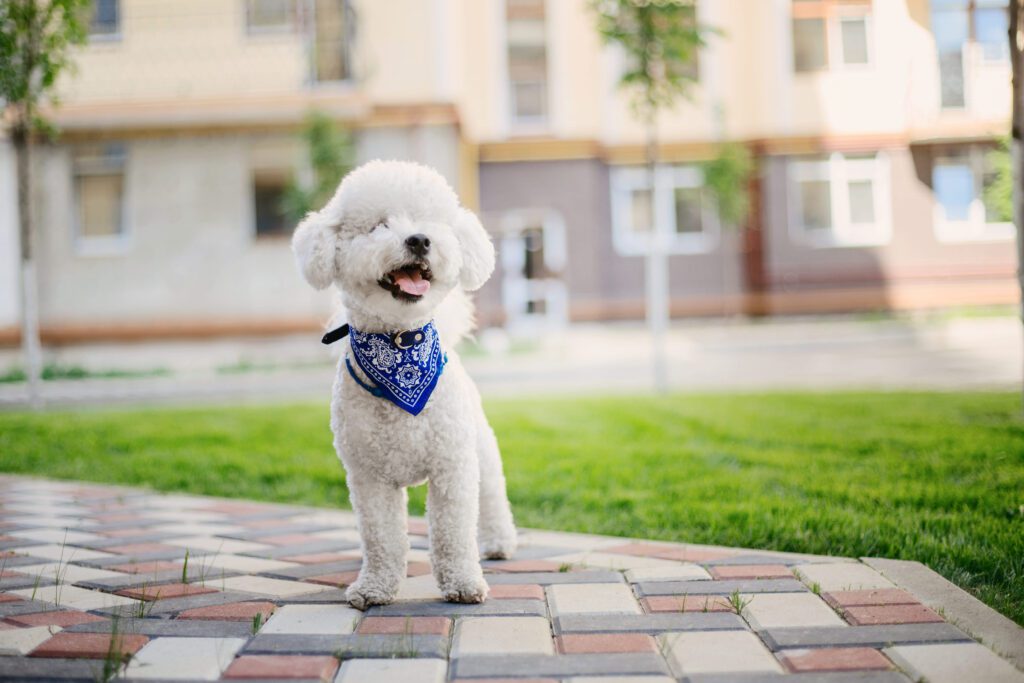

The Bichon Frise is a cheerful, people-loving companion that thrives on attention and play. This small dog is friendly, adaptable, and typically gentle with children. The soft, curly coat sheds very little, which many families appreciate. Proper research matters because the breed needs daily engagement, regular grooming, and consistent training. Adoption often gives a dog a second chance while providing you with important health and behavior information that a responsible organization has already gathered.
Vermont offers a calm lifestyle, clean air, and easy access to nature. Cold winters are common across the state, and snow can be heavy in many areas. A Bichon Frise can enjoy Vermont’s climate when you provide a warm coat, paw protection, and indoor play on harsh days. Short daily walks on safe, plowed routes work well. Apartments and small homes suit the breed because a Bichon values close time with people more than yard size. Frequent grooming and dependable routines keep this resilient, happy dog comfortable through Vermont’s changing seasons.
You can skip searching shelters and rescues one by one by using Dog Academy. Dog Academy offers adoption listings that gather options in one place, which helps you compare dogs quickly and clearly. You can also explore educational guides and adoption checklists that prepare you for each step. A single hub saves time and helps you focus on finding the right match for your home.
Adoptable Bichon Frises in Vermont appear through local animal shelters, regional rescues, and breed-specific rescue groups. Start by browsing listings, reading full bios, and noting energy level, age, and medical history. Responsible groups describe personality, house habits, grooming needs, and any training progress. Reach out with questions so you can confirm how the dog handles children, other pets, and alone time.
Most organizations use an application that asks about your schedule, home setup, and experience with dogs. Many also request references, proof of housing permission when you rent, and information about current pets. After an initial review, you can arrange a meet-and-greet. Bring all household members to ensure everyone connects with the dog. If you already have a dog, request a controlled introduction. Approval timelines vary, but many adopters receive an answer within 1 to 3 weeks when documents and meetings move smoothly.
Some groups conduct a home check to confirm safety. A home check can be virtual or in person, and it reviews gates, fences, stairs, and areas where a small dog could get trapped. Prepare by securing trash, tucking away loose cords, and setting up a crate or quiet space. After approval, you sign an adoption contract, pay the fee, and schedule pickup. When distance is an issue, rescues may arrange transport between locations. Transport is a coordinated system that moves dogs safely with volunteer drivers or licensed carriers who follow animal welfare rules. Staff will explain the route and the pickup process so you can be ready on arrival day.
|
How Much Does It Cost to Adopt a Bichon Frise in Vermont?Most Vermont adopters can expect fees around $300 to $600 for a Bichon Frise. The fee often includes spaying or neutering, vaccinations, microchipping, and veterinary exams. Puppies can cost toward the top of that range because demand is higher and early care is extensive. Seniors and dogs with ongoing medical needs can cost a bit less because organizations aim to encourage placements that match long-term care plans. Age, training, medical history, and regional demand influence the final number. Recent dental work, grooming, or behavior support can raise the fee because the organization already invested in care. Vermont’s veterinary costs and transport logistics can also affect pricing. Plan for ongoing grooming after adoption as well. Most Bichon Frises need professional grooming every 4 to 6 weeks, which often runs $60 to $100 per session in Vermont. |
How Should I Train a Bichon Frise?The Bichon Frise is bright, eager, and highly motivated by praise and treats. This breed learns best with short, upbeat sessions that reward calm focus and polite choices. Many Bichon Frises excel at basic cues like sit, down, and come. The breed sometimes struggles with housetraining and barking. A consistent schedule, frequent outdoor breaks, and careful supervision help with reliability. Crate training supports housetraining because it creates a safe, predictable rest space. Positive reinforcement builds confidence and strengthens your bond. Reward quiet moments, relaxed leashes, and friendly greetings. Introduce new people, places, and surfaces slowly to prevent anxiety. If you want step-by-step guidance at home, explore Dog Academy’s online training courses. These courses cover puppy foundations, manners, and problem prevention with clear videos and trainer support. Indoor lessons work well during Vermont’s cold snaps, and outdoor practice solidifies skills when weather improves. |

|
The ideal Vermont adopter enjoys daily companionship, values routine, and has time for brushing, professional grooming, and gentle exercise. Preparation sets everyone up for success, which includes a safe home setup, a training plan, and a realistic budget. Take your time, ask detailed questions, and wait for a dog that fits your lifestyle. With careful planning and the right resources, you can adopt a Bichon Frise in Vermont and welcome a loving, resilient friend into your life.

Introducing a new puppy to your current dog is often an exciting process, and many dogs will become fast friends and eas...
Read More
Rescue dogs can make great companions and can transform your home into something better. These dogs make great pets and ...
Read More
You should never rush to pet a dog. Even dog owners make the mistake of approaching unfamiliar dogs and petting them rig...
Read More
Puppy mill dogs are survivors who have endured extreme hardships in their lives. They have grown up in horrendous, unsan...
Read More
With their wagging tails and comforting presence, adopting a dog can add a unique touch to your life. It’s a heart...
Read More
Older dogs may have a few gray hairs around the edges, but that doesn’t mean they can’t make wonderful companions! T...
Read More