


Introducing a new puppy to your current dog is often an exciting process, and many dogs will become fast friends and eas...
Read MoreAdopt Me

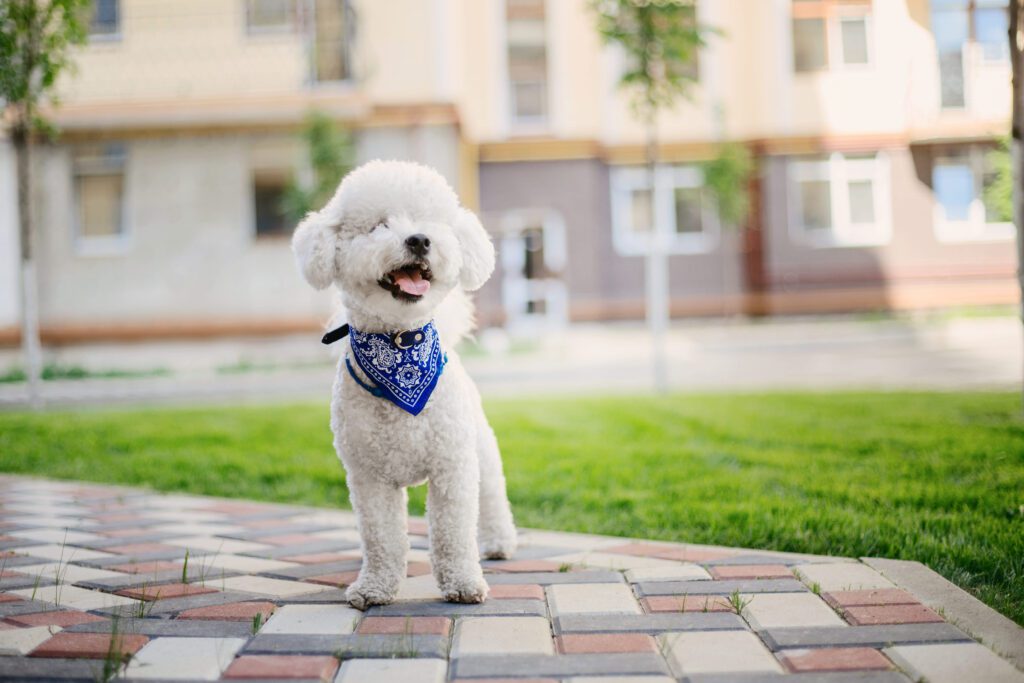
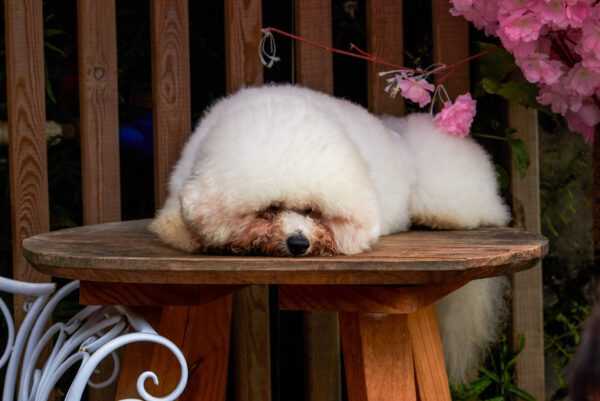
The Bichon Frise is a cheerful, social companion. This small dog thrives on attention, loves play, and settles well in apartments and houses. The coat sheds very little, which many families appreciate. Bichons are affectionate, people focused, and usually friendly with other pets. If you want a bright, portable companion with a soft temperament, a Bichon is a wonderful match.
Adopting usually starts with research and a thoughtful application. Check local shelters, humane societies, and breed-specific rescues. Expect an application, vet and reference checks, and a home conversation to make sure the fit is right. Some groups set up a meet and greet, then finalize an adoption contract. Waiting lists can form because Bichons are popular and small. Flexibility on age and timing helps.
Because demand is steady, finding an available Bichon can take patience. Browse curated adoption listings on Dog Academy. Dog Academy brings reputable shelters and rescues into one place, which makes it easier to spot new Bichon Frise postings quickly. You can save time, compare options, and contact organizations faster.
Adoption fees for a Bichon Frise are often higher than average for small, sought-after breeds. Most breed rescues charge about $300 to $500, which can include spay or neuter, vaccinations, a microchip, and recent grooming. Municipal shelters may range from $100 to $250. Expect a total of roughly $200 to $600 depending on age, medical care provided, and location. Puppies and recent dental work can push fees to the higher end, while seniors can be less.
Plan for a calm, structured first week. Many Bichons bond quickly, then show a little clinginess as they learn your routine. Use a quiet rest area, a crate if you choose, and frequent short potty breaks. Expect alert barking at new sounds until your dog settles. Daily exercise should include 2 or 3 short walks and play for a total of about 30 to 60 minutes. Add gentle training and sniffing games to take the edge off energy.
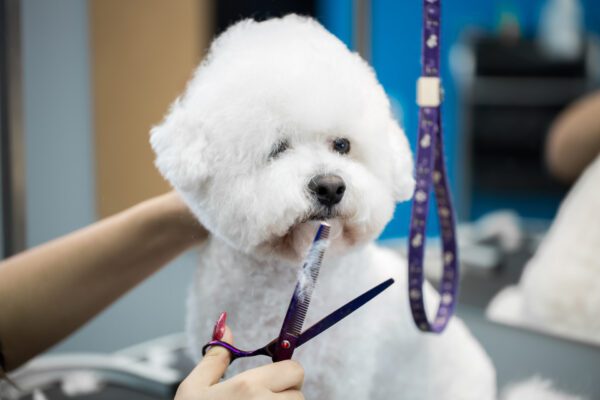
The coat needs steady care. Brush several times per week to prevent mats, and schedule professional grooming every 4 to 6 weeks. Wipe the face daily to manage tear staining. Check ears often and keep nails short. Brush teeth at least 3 times per week since small breeds can develop dental issues. Feed a high quality small-breed diet split into 2 meals, and watch portions to prevent weight gain. Ask your veterinarian about any history of skin or food sensitivities.
Bichons are bright and eager to please. Use reward-based training with treats, praise, and play. Keep lessons short and fun. House training can take time due to a small bladder, so offer frequent outdoor trips and reward every success. Teach a solid settle, name recognition, hand target, and loose leash skills. For expert help, try Dog Academy’s online and in-person training. Dog Academy offers self-paced online programs for daily structure and professional in-person options for focused coaching. You get clear steps, feedback, and support for long-term success.
|
Is It a Good Idea to Adopt a Bichon Frise As Your First Dog?For many first-time owners, a Bichon Frise is a great choice. The size is easy to handle, the temperament is friendly, and the breed enjoys learning. Energy is moderate. Most do well with 2 or 3 short walks plus indoor play. The main challenges are consistent house training, regular grooming, and the need for daily company. A bored Bichon can bark or become anxious, so plan steady interaction and mental games. Training is not difficult when you use positive methods and a routine. Start early, be consistent, and keep sessions upbeat. If you want guidance from day one, Dog Academy training can help you build polite manners, prevent problem barking, and set up a reliable potty plan. With support and structure, first-time owners can help a Bichon thrive. |
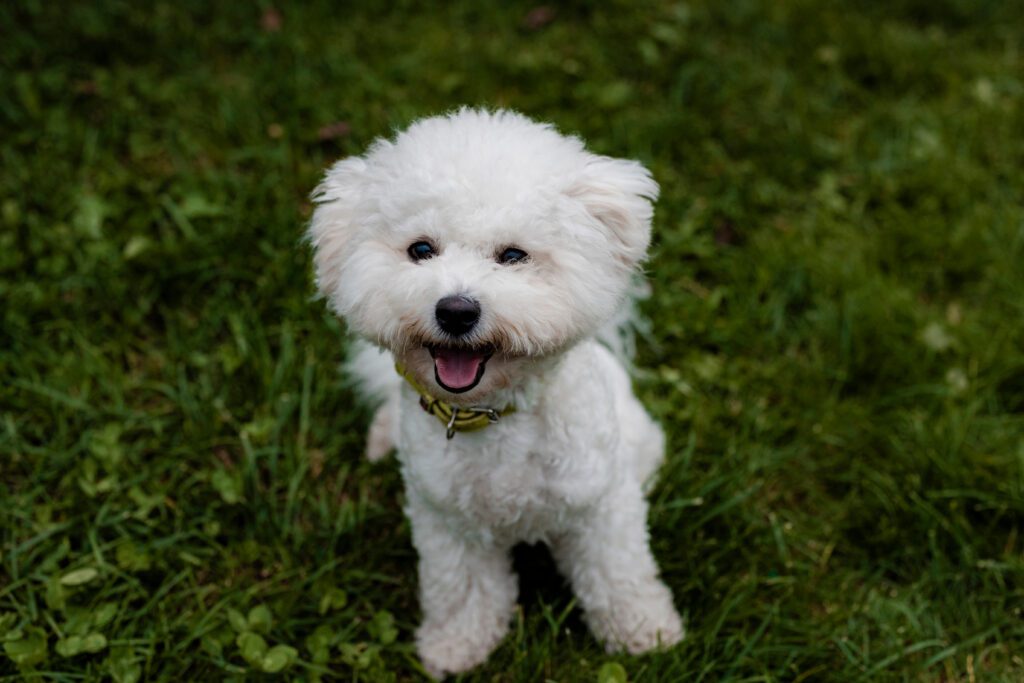
Adopt the Right Bichon Frise for YouTake your time, learn the breed, and prepare your home. Think about age, grooming schedule, and your daily routine. An adult or senior Bichon can be a calm match for many families. A younger dog may need more training and play. The right fit comes from honest reflection and good support. Dog Academy makes adoption easier with curated listings that highlight available Bichon Frise dogs from trusted sources. Pair that with expert-led online and in-person training, and you get clear guidance from search to long-term care. Start your journey with confidence, and welcome a happy companion who fits your life. |
|

Introducing a new puppy to your current dog is often an exciting process, and many dogs will become fast friends and eas...
Read More
Rescue dogs can make great companions and can transform your home into something better. These dogs make great pets and ...
Read More
You should never rush to pet a dog. Even dog owners make the mistake of approaching unfamiliar dogs and petting them rig...
Read More
Puppy mill dogs are survivors who have endured extreme hardships in their lives. They have grown up in horrendous, unsan...
Read More
With their wagging tails and comforting presence, adopting a dog can add a unique touch to your life. It’s a heart...
Read More
Older dogs may have a few gray hairs around the edges, but that doesn’t mean they can’t make wonderful companions! T...
Read More