



























































































































































































Introducing a new puppy to your current dog is often an exciting process, and many dogs will become fast friends and eas...
Read MoreAdopt Me
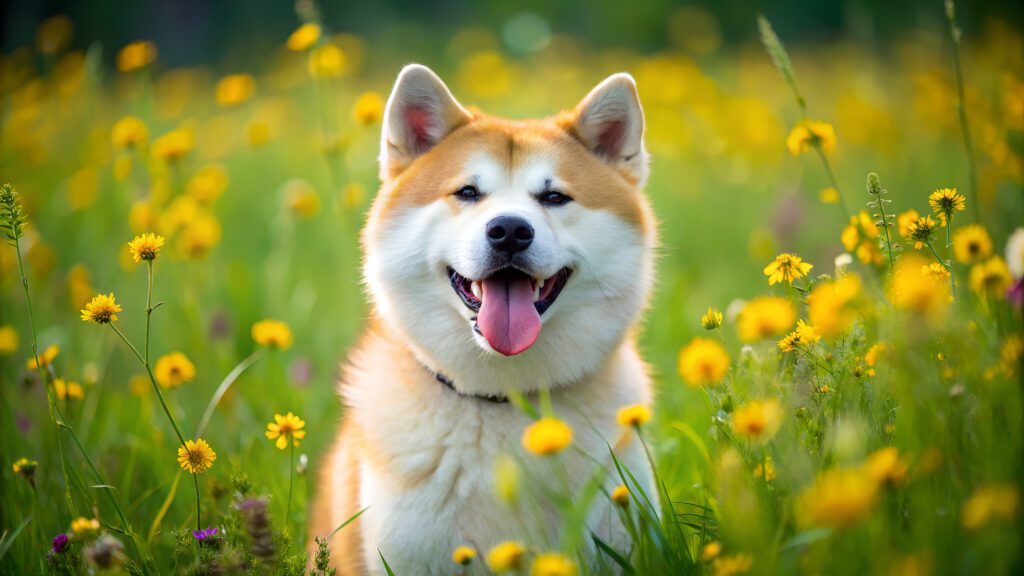
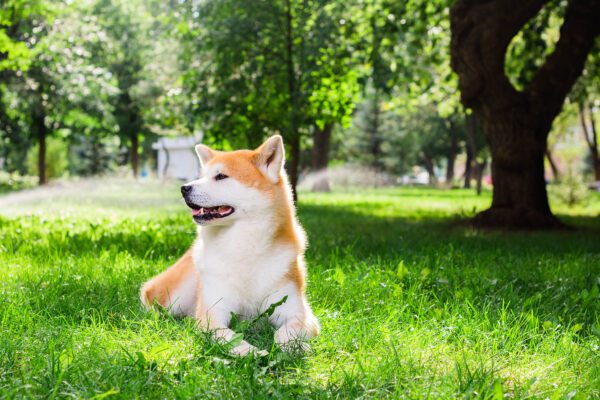
The Akita is a powerful, devoted, and notably loyal companion. This breed tends to bond deeply with family, remains reserved with strangers, and prefers calm, confident leadership. An Akita is intelligent and clean, and the thick double coat suits cold climates very well. Thoughtful research helps you decide if an Akita’s independence, size, and grooming needs align with your lifestyle before you bring one home.
Adoption is a responsible path because it gives a dog a second chance while supporting shelters and rescues that provide care and evaluation. You often receive helpful transparency about temperament and health from experienced volunteers and staff. Adopting also reduces demand for commercial breeding and helps you match with a dog whose needs you can meet.
Vermont’s climate and geography work well for many Akitas. Cold winters and snowy trails fit the breed’s dense coat and love of brisk walks. Rural roads, wooded areas, and quiet neighborhoods offer room for structured exercise. Summer humidity requires more careful heat management, and mud season makes coat care important. City living in Vermont can still work when daily exercise, mental stimulation, and responsible leash handling stay consistent.
You can avoid searching rescues and shelters separately by starting with Dog Academy, where you can browse up-to-date Akita adoption listings and learn from clear educational guides and adoption checklists. You can also look at local animal shelters, regional rescues, and breed-specific rescue groups that serve Vermont and nearby states. These organizations typically screen for fit and help you understand an Akita’s exercise, training, and management needs.
The process usually begins with browsing listings and reading each dog’s profile in full. Profiles often include age, size, energy level, medical notes, and behavioral observations from staff or foster homes. When a dog seems like a match, you submit an application that requests details about your home, schedule, fencing, other pets, and veterinary history. Applications may ask for personal references and landlord permission when you rent.
After the application review, many groups schedule a meet-and-greet to confirm compatibility with all household members, including resident dogs. Home checks may occur in person or by video to verify safety, containment, and space for a large dog. If you are approved, the organization will explain next steps, which typically include signing an adoption contract, paying the adoption fee, and setting up a pickup date.
Approval timelines vary based on the dog’s needs and your responsiveness. Some placements move quickly when your application is complete and your availability is flexible. Others take longer when a dog requires specific handling experience or when multiple applicants apply for the same dog. If the right Akita is in another state, rescues sometimes arrange transport to move dogs between locations using volunteer drivers or approved transport services, and they explain timing, health requirements, and pickup procedures in advance.

|
How Much Does It Cost to Adopt a Akita in Vermont?In Vermont, expect most shelters and rescues to set adoption fees for adult Akitas in the $300 to $550 range. Puppies often cost more due to higher demand and routine early-care expenses, so expect $450 to $700 for a puppy. Fees reflect the real costs of care and typically include spaying or neutering, vaccinations, microchipping, and veterinary exams. Some groups also include deworming, heartworm testing, and initial preventives. Several factors influence the fee you pay. Age often lowers or raises cost, with seniors usually priced modestly and puppies priced higher. Prior training and behavioral support can increase value because it reduces future work for adopters. Recent medical care, such as dental work or treatment for injury, raises costs. Demand for the breed in New England and transport expenses from partner shelters can also affect pricing. Ask what the fee covers so you know exactly what care your new dog has already received. |
How Should I Train a Akita?Akitas are intelligent and capable learners, yet they are independent and strong willed. They respond best to calm structure, clear boundaries, and consistent routines. Keep sessions short and engaging, and use high-value rewards to motivate focus. Positive reinforcement builds trust, reduces conflict, and encourages your dog to offer the behaviors you want. Early socialization is essential because Akitas can be reserved with strangers and sometimes selective with other dogs. Prioritize leash skills, impulse control, reliable recall with safety backups, and polite greetings. Teach cooperative care for grooming because the double coat sheds seasonally and requires thorough brushing. Consider crate training and mat training to support relaxation. If you want step-by-step guidance you can use at home, explore Dog Academy’s online training courses, which show you how to build manners and confidence with reward-based methods. |
|
The ideal Akita adopter is an experienced guardian who appreciates a thoughtful, steady companion. A good match has time for daily exercise, firm but kind leadership, ongoing training, and coat care. A secure yard, safe walking routes, and a consistent routine help an Akita thrive in Vermont’s seasons.
Take your time, learn about the breed, and prepare your home before you apply. When you match your lifestyle to the dog’s needs, you set up a lifetime of success. Start your search with confidence, ask thoughtful questions, and choose the Akita whose temperament, energy, and care requirements fit your household best.

Introducing a new puppy to your current dog is often an exciting process, and many dogs will become fast friends and eas...
Read More
Rescue dogs can make great companions and can transform your home into something better. These dogs make great pets and ...
Read More
You should never rush to pet a dog. Even dog owners make the mistake of approaching unfamiliar dogs and petting them rig...
Read More
Puppy mill dogs are survivors who have endured extreme hardships in their lives. They have grown up in horrendous, unsan...
Read More
With their wagging tails and comforting presence, adopting a dog can add a unique touch to your life. It’s a heart...
Read More
Older dogs may have a few gray hairs around the edges, but that doesn’t mean they can’t make wonderful companions! T...
Read More