


Introducing a new puppy to your current dog is often an exciting process, and many dogs will become fast friends and eas...
Read MoreAdopt Me

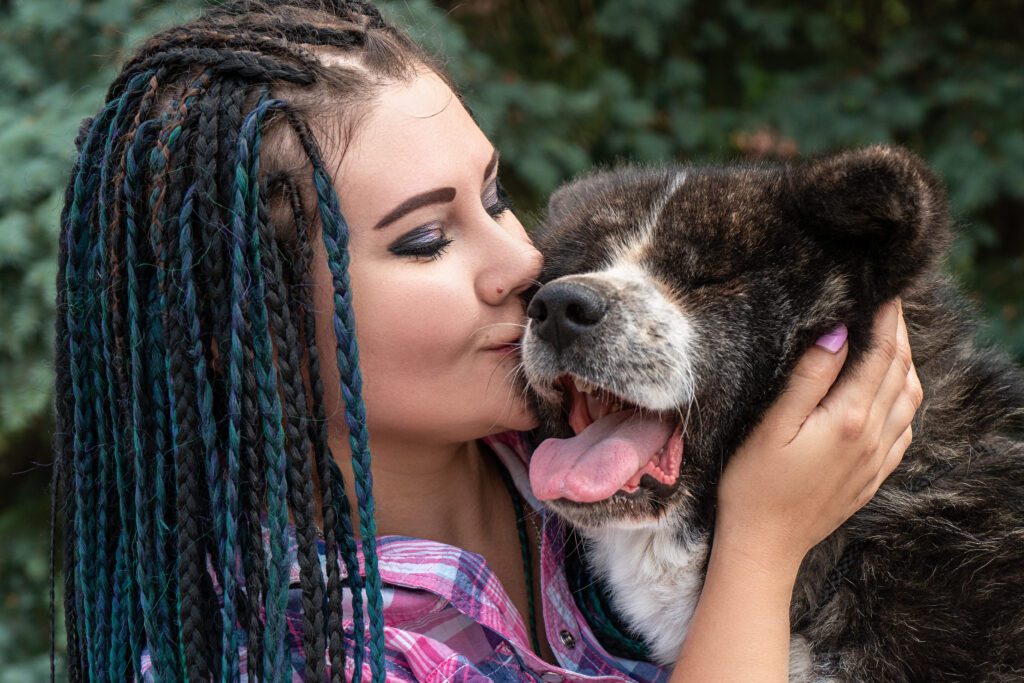
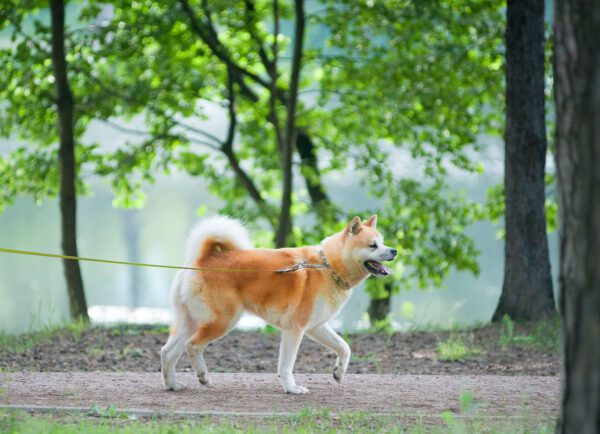
The Akita attracts devoted owners with its loyalty, dignity, and quiet confidence. This is a steady guardian that bonds deeply with family and prefers a calm, structured home. Many Akitas are affectionate with their people and reserved with strangers. They are clean, catlike dogs with a thick double coat and a commanding presence. If you value a thoughtful companion that shows love through steadfast closeness and calm watchfulness, an Akita can be a remarkable match.
Adopting an Akita usually starts with research, then outreach to shelters and breed-specific rescues. Akitas are not as common as some breeds, so availability can be limited and timing matters. Applications often include references, landlord approval if you rent, and a conversation about experience with large or independent breeds. Many rescues schedule meet-and-greets, may require secure fencing, and sometimes use waiting lists to place the right dog with the right home. To make your search easier, browse curated adoption listings on Dog Academy. Dog Academy gathers available Akitas in one place and helps you focus on dogs that fit your lifestyle.
Adoption fees reflect age, location, and the care the dog has received. Most adult Akitas from reputable rescues cost about $300 to $500. Puppies can be higher due to vaccinations and demand, often $450 to $700. Fees typically include spay or neuter, core vaccines, and a health check. You may also budget for supplies, training, and possible transport costs. Because placements are carefully screened, expect a few steps before approval. Clear communication, realistic expectations, and patience will speed the process and help you meet the right dog.
Expect an adjustment period as your Akita learns new routines. Use a quiet space for rest, a crate or pen for safe downtime, and a steady schedule for meals and potty breaks. Keep introductions slow and structured, especially with other dogs. The Akita is independent and can be dog selective, so neutral walks and parallel time help build comfort. Reward calm choices and prevent rehearsals of unwanted behavior. Training should be reward based with short, focused sessions. Teach name recognition, recall games, loose leash walking, impulse control, and calm greetings. If you want expert guidance, enroll in Dog Academy’s online and in-person training. Programs are led by experienced trainers who understand Akita temperament and will support you from day one.
Daily needs are straightforward but consistent. Plan 45 to 60 minutes of moderate exercise, split into walks and short play or training. Add mental work like scent games, food puzzles, obedience, and place training to prevent boredom. Brush the thick double coat weekly and daily during seasonal sheds. Bathe every 6 to 8 weeks, trim nails regularly, and check ears and teeth. Feed a high quality large-breed diet in 2 measured meals. Maintain a lean body condition and use a slow feeder if your dog eats fast. Many large, deep-chested dogs can be prone to bloat, so avoid hard exercise right before or after meals and discuss prevention with your veterinarian.
|
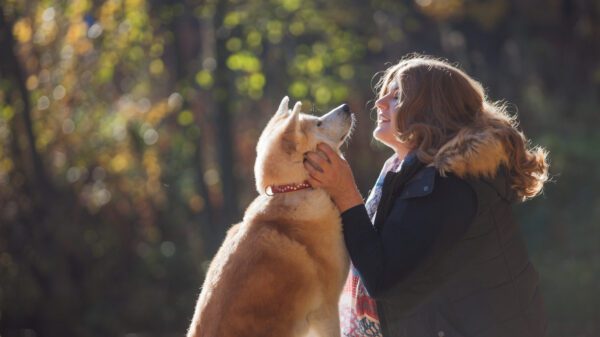
Is It a Good Idea to Adopt an Akita As Your First Dog?The Akita is not usually the easiest first dog. This breed is powerful and independent, with natural guarding instincts and low tolerance for pushy canine greetings. Training can feel challenging because Akitas think for themselves and do not respond well to harsh methods. Energy is moderate, but mental work is essential to keep the dog settled and polite. Physical handling matters too, since many Akitas weigh 70 to 120 pounds and are strong on leash. That said, a prepared first-time owner can succeed with structure, management, and early training. Dog Academy training can give you a clear plan, hands-on coaching, and steady support so you build good habits from the start. |
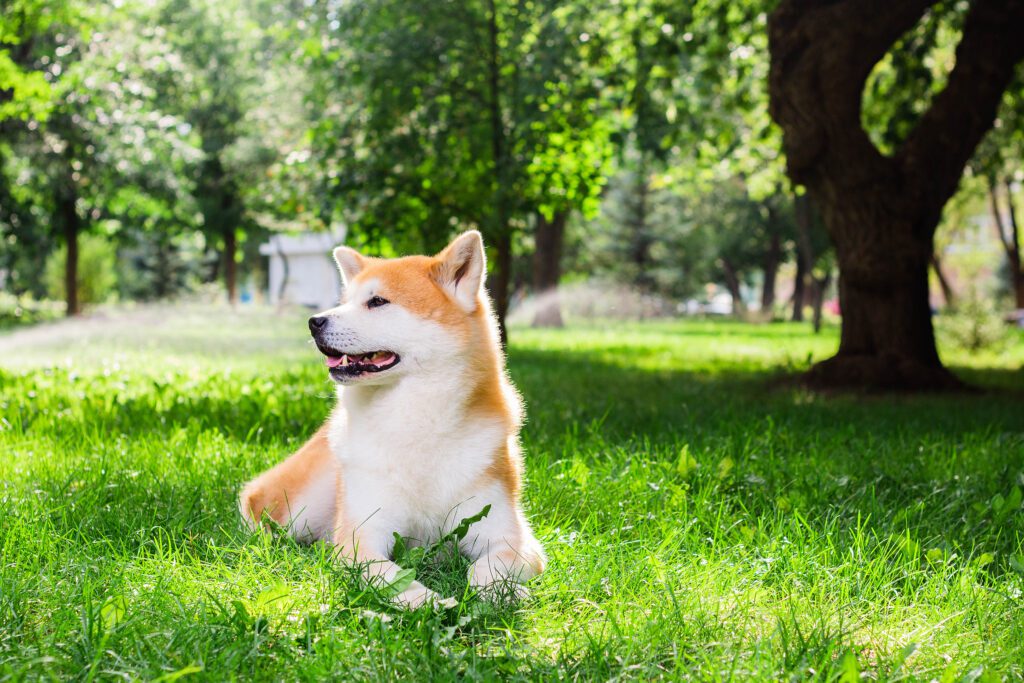
Adopt the Right Akita for YouAdopting an Akita is a thoughtful choice. Learn the breed, assess your lifestyle, and meet dogs with an open mind. Look for a temperament that fits your home and commit to patient, reward-based training. Dog Academy helps you every step of the way with curated adoption listings that make it easier to find available Akita dogs and expert-led training that sets you up for long term success. With preparation and support, you can welcome an Akita that thrives in your care and becomes a loyal companion for years to come. |
|

Introducing a new puppy to your current dog is often an exciting process, and many dogs will become fast friends and eas...
Read More
Rescue dogs can make great companions and can transform your home into something better. These dogs make great pets and ...
Read More
You should never rush to pet a dog. Even dog owners make the mistake of approaching unfamiliar dogs and petting them rig...
Read More
Puppy mill dogs are survivors who have endured extreme hardships in their lives. They have grown up in horrendous, unsan...
Read More
With their wagging tails and comforting presence, adopting a dog can add a unique touch to your life. It’s a heart...
Read More
Older dogs may have a few gray hairs around the edges, but that doesn’t mean they can’t make wonderful companions! T...
Read More